Optical transceivers
Standard optical interfaces for networked systems
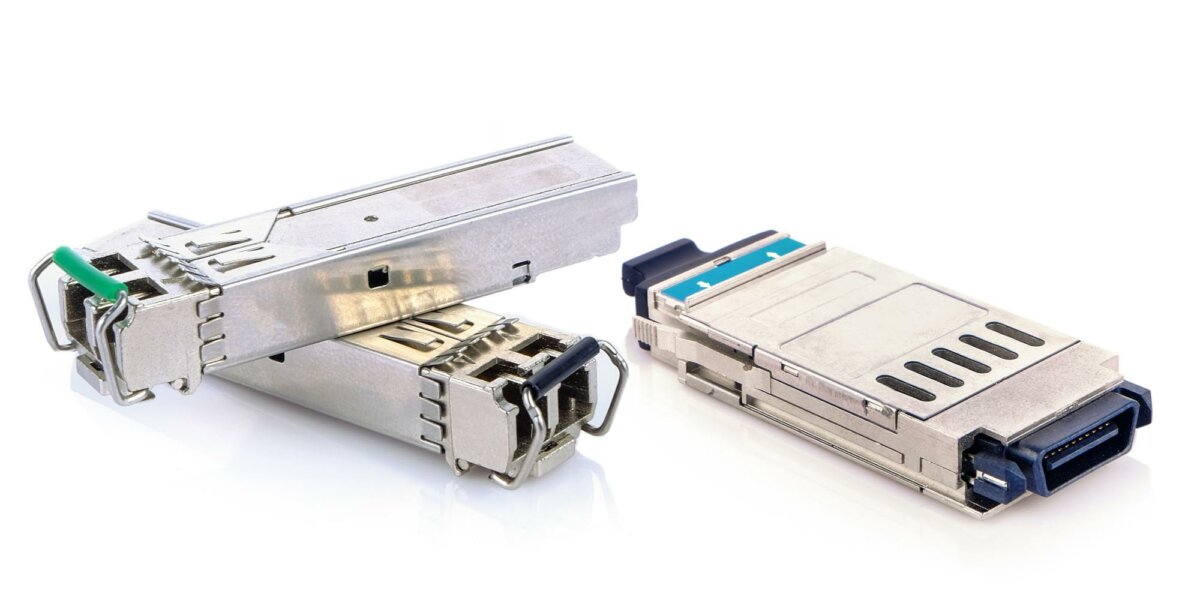
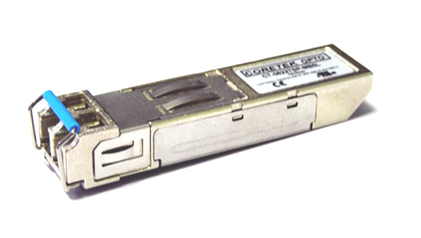
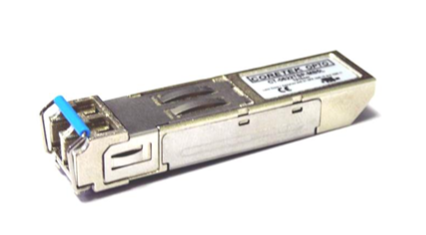
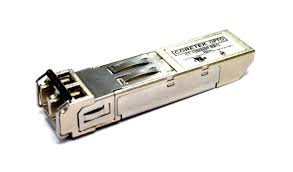
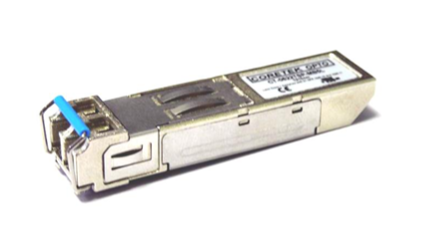
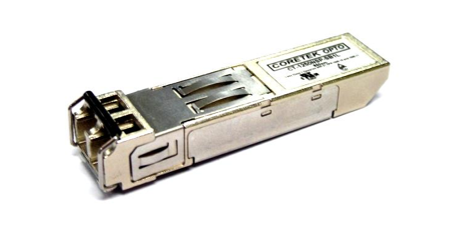
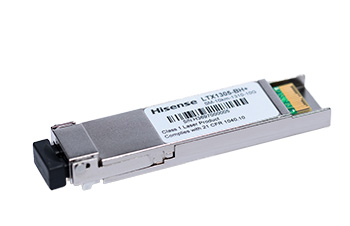
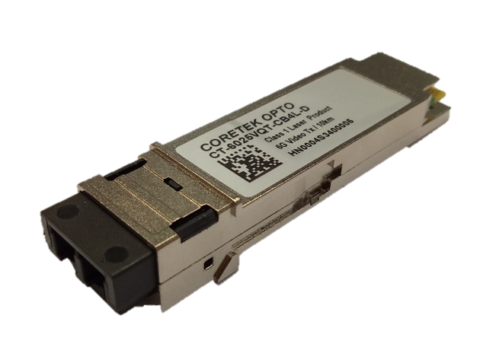
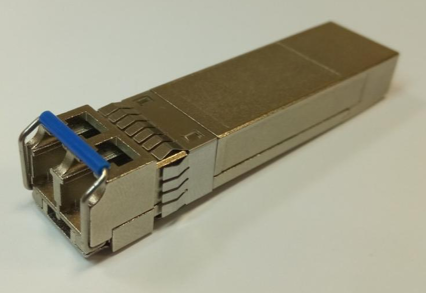
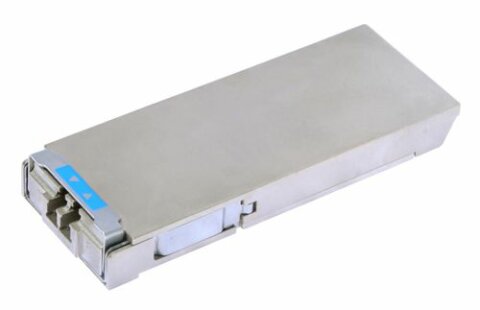
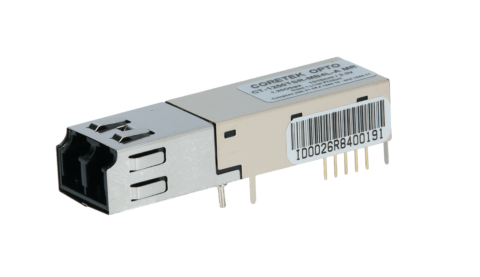
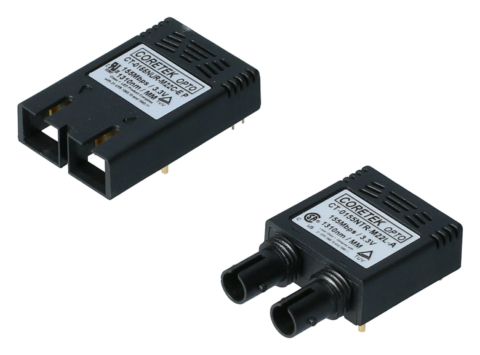
Optical transceivers are the standard interface components used to send and receive digital signals across fibre links in networked and communication-focused systems. Within Optical communication & transmission, they are one of the most familiar Level-3 categories because they give customers a defined and widely used route into optical connectivity. Their role is not just to convert electrical signals into optical ones and back again. They also shape how easily the link fits into switches, routers, industrial networking equipment, embedded platforms, and other host systems with established interface expectations. In practice, customers usually look at optical transceivers when they want a more standardised, pluggable, and serviceable fibre connection path. That makes them very different from digital optical components, which are more tightly integrated into custom hardware, and from media converters, which solve a different infrastructure problem. The value here lies in predictable integration, clear interface logic, and a practical path to scalable optical connectivity.
Do you want to know more about this technology? Try out our new Chatbot!
Technical overview
Within fibre optics and the parent category optical communication & transmission, optical transceivers are used where the system architecture benefits from standardised module-based connectivity. They are typically the natural choice when customers need a recognisable interface model, straightforward replacement, and a clean relationship between host equipment and the optical link. This makes them especially relevant in data communication, industrial networking, control infrastructure, and equipment platforms that already support standard optical module formats. Compared with digital optical components, transceivers reduce integration effort at board level because more of the optical interface is packaged into the module itself. Compared with media converters, they are usually the better fit when the host system is already designed to accept an optical interface directly rather than needing an external bridge. The selection still needs care, because reach, host compatibility, thermal behaviour, and service expectations all influence the best fit. What makes this branch technology valuable is the balance it offers between standardisation and practical deployment.
Key selection factors
-
Host interface compatibility: The starting point is always the host equipment. Optical transceivers are most useful when the platform is already designed around a compatible optical module concept.
-
Reach and optical budget: Transmission distance needs to be considered alongside connector losses, routing quality, and real operating margin. A common pitfall is to choose purely on nominal reach without accounting for the installed link.
-
Service and replacement model: Customers often choose transceivers because they support a clear and maintainable module-based approach. That becomes especially useful where field replacement or infrastructure scaling matters.
-
Thermal behaviour in the host system: Even in a standard interface format, thermal conditions still affect long-term stability and reliability. Compact or high-density platforms need particularly careful attention here.
-
Network architecture: Optical transceivers are usually the stronger route where the optical interface belongs directly in the switch, controller, or host platform. If the system still needs external media bridging, mMedia converters may be the more appropriate branch.
-
Standardisation versus design freedom: Optical transceivers simplify many projects, but they are not always the best fit where a more deeply embedded or custom optical interface is required. That is often where customers move towards digital optical components instead.
Integration notes
Optical transceivers may offer a standardised interface model, but they still need to be integrated with the host system carefully. Electrical compatibility, thermal management, firmware or platform support where relevant, connector cleanliness, and access for service all affect how reliable the final link will be. One common pitfall is to assume that a standard transceiver format guarantees trouble-free integration regardless of the surrounding platform conditions.
Compared with digital optical components, the integration burden is often lower at board level, but compatibility and operating margin still need proper validation. Compared with Media converters, transceivers are more directly tied to the host architecture and less about infrastructure adaptation. For customers building scalable or maintainable optical systems, that direct host integration is often exactly the reason to choose them.
Why our portfolio is right for you
Optical transceiver selection is most effective when host compatibility, reach, service expectations, and operating conditions are evaluated together rather than treated as separate checklist items.
FAQs on optical transceivers
Optical transceivers FAQs
Optical transceivers are module-based components that transmit and receive digital signals over fibre in networked or communication-oriented systems. They are commonly used when customers need a standardised optical interface that fits directly into compatible host equipment.
They are usually the right choice when the host system already supports a pluggable optical interface and the customer wants a practical, standardised, and serviceable route into fibre connectivity. This is common in networking, control, communications, and infrastructure equipment.
Optical transceivers are typically more self-contained and standardised, which reduces design complexity at board level. Digital optical components are more closely tied to custom hardware design and are often chosen when the optical interface needs to be integrated more deeply into the product.
- Transceivers support standard module-based integration
- Digital optical components support deeper design control
- The better route depends on the system architecture
Optical transceivers are used when the host device itself is ready to support an optical interface directly. Media converters are used when an external bridge is needed between electrical and optical infrastructure, often in retrofit or mixed-environment projects.
Customers should review host compatibility, required reach, optical budget, thermal conditions, and the expected service model of the installation. In many projects, the right choice is the one that fits the real platform conditions rather than the one with the broadest headline specification.
That is often one of their advantages, provided the system has been designed around accessible and compatible module use. Field serviceability still depends on good physical access, correct platform support, and proper connector handling.
A common mistake is assuming that a compatible form factor is the whole answer. In reality, customers also need to consider host behaviour, thermal margin, link budget, and practical operating conditions across the installed system.
They are a separate category because they represent the standardised, host-facing module route within Optical communication & transmission. That gives them a different role from embedded digital optical components, passive optical paths, or external media-bridging solutions.