Gap fillers
- Technology
- Thermal interface materials
- Partner
- MTC
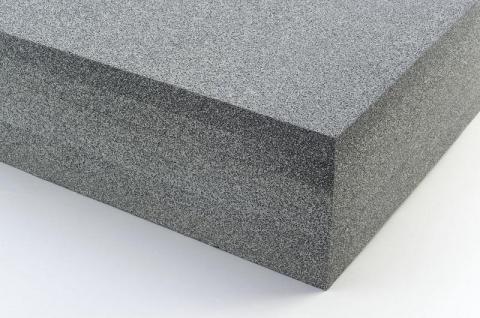
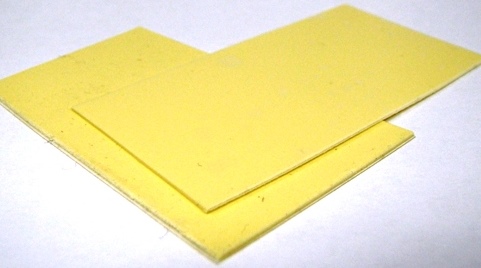
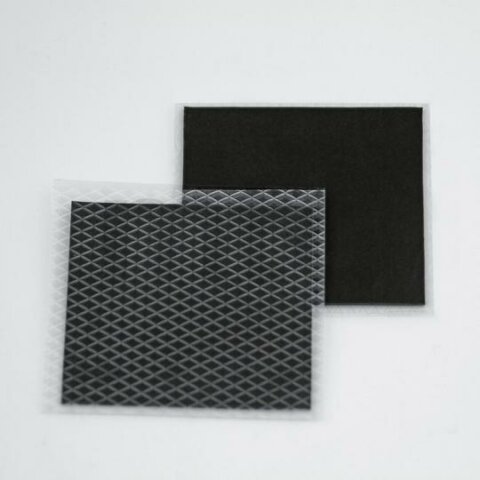
Thermally conductive gap fillers are interface materials designed to bridge the space between hot electronic components and cooling assemblies. This range includes pre-formed gap filler pads and dispensable gap filler compounds for different assembly methods. The materials conform to uneven surfaces, eliminate air pockets, and reduce thermal resistance to improve heat transfer. One-component compounds remain tacky and do not require curing, while two-component formulations cure into elastic gels for durable thermal coupling. These products are suitable for automotive electronics, LED modules, audio/video equipment, medical devices, and other high-reliability systems. The range includes electrically insulating and flame-retardant materials to support safe electronics design. Thermal conductivities span from about 1.0 to 9.0 W/m·K depending on grade. Silicone-free options are also available for applications where silicone contamination must be avoided.
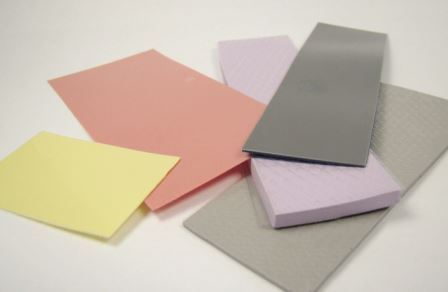
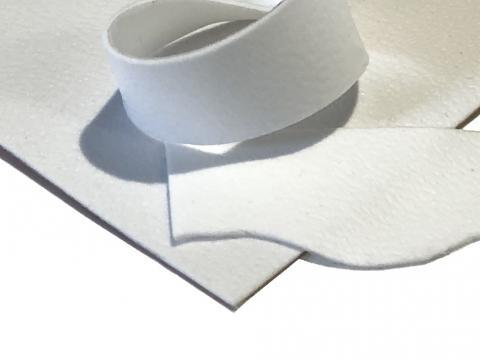
Thermal gap fillers are specialised thermal interface materials used to bridge gaps between heat-generating components and heat sinks or enclosures. This product family includes gap filler pads for clean, simple placement and gap filler compounds for dispensing into irregular or thin bond lines.
The range covers one-component, two-component, silicone-based, and silicone-free options for use in electronics cooling across automotive, LED lighting, industrial, medical, and other demanding applications. All variants are designed to improve heat transfer, reduce trapped air, and provide electrically insulating performance.
Range features
A high level overview of what this range offers
- Broad thermal conductivity range (1.0 to 9.0 W/m·K): Supports thermal management needs from low-power electronics to high-power modules
- Soft, highly compliant materials: Conform to uneven surfaces with low compression force, helping protect delicate components
- Naturally tacky pad surfaces: Stay in place without extra adhesive, simplifying assembly and rework
- One-component dispensable compounds: Ready-to-use materials with no curing required for easy application and extended working time
- Two-component cure-in-place gels: Cure into durable elastomers for permanent thermal coupling and good vibration resistance
- Silicone-free formulations available: Suitable for applications where silicone outgassing or contamination is unacceptable
- Optional glass bead spacers: Help maintain a controlled minimum bond line thickness for consistent thermal and insulation performance
- Wide operating temperature capability: Depending on grade, supports environments from approximately -55 °C to +200 °C
- Electrically insulating and UL 94 V-0 flame retardant: Helps improve safety in electronic assemblies
What’s in this range?
All the variants in the range and a comparison of what they offer
Series | Format | Thermal Conductivity Range | Key Material Options | Typical Temperature Range | Packaging / Form |
TCTP | Dispensable one-component gap fillers | 3.0 to 5.0 W/m·K | Silicone-based and silicone-free acrylic | -55 to +200 °C or -40 to +130 °C depending on grade | 30, 50, 150, 300 cc syringes |
TCTX | Dispensable two-component gap fillers | 1.8 to 4.0 W/m·K | Two-part cure-in-place formulations | -40 to +180 °C | 50, 100, 400, 620 cc twin cartridges |
TCGF | Thermally conductive gap filler pads | 1.0 to 8.0 W/m·K | Ceramic-filled silicone sheets, with silicone-free variants available in selected grades | -50 to +200 °C | Sheets from 297×210 mm to 400×300 mm |
Property | TCTP 3.5 | TCTP-SF 3.0 | TCTP-SF 5.0 | Unit |
Thermal conductivity | 3.5 | 3.0 | 5.0 | W/m·K |
Composition | Filled silicone elastomer | Acrylic (no silicone) | Acrylic (no silicone) | – |
Flow rate | 20 ±4 | 30 | 10 | g/min |
Density | 3.3 | 3.3 | 3.5 | g/cm³ |
Temperature range | -55 to +200 | -40 to +130 | -40 to +130 | °C |
Breakdown voltage | 8 |
|
| kV/mm |
Shelf life | 18 | 12 | 12 | months |
Property | TCTX 1.8 | TCTX 2.0 | TCTX 3.0 | TCTX 4.0 |
Thermal conductivity (W/m·K) | 1.8 | 2.0 | 3.0 | 4.0 |
Mixed viscosity (mPa·s) | ~70 000 | ~80 000 | ~80 000 | ~115 000 |
Mix ratio | 1:1 | 1:1 | 1:1 | 1:1 |
Working time at 25 °C | ~180 min | ~180 min | ~180 min | ~180 min |
Cure time at 25 °C | ~8 h | ~8 h | ~8 h | ~8 h |
Temperature range | -40 to +180 °C | -40 to +180 °C | -40 to +180 °C | -40 to +180 °C |
Shelf life | 6 months | 6 months | 6 months | 6 months |
Property | TCGF 1.0 | TCGF 2.0 | TCGF 5.0 | TCGF 8.0 |
Thermal conductivity | 1.0 | 2.0 | 5.0 | 8.0 |
Hardness | 20–40 Shore 00 | 20–60 Shore 00 | 40–65 Shore 00 | ~55 Shore 00 |
Thickness range | 0.5–5.0 mm | 0.15–10.0 mm | 0.5–5.0 mm | 0.5–5.0 mm |
Operating temperature | -50 to +200 °C | -50 to +200 °C | -50 to +200 °C | -50 to +200 °C |
Breakdown voltage |
|
|
|
|
Flammability | V-0 (UL 94) | V-0 (UL 94) | V-0 (UL 94) | V-0 (UL 94) |
Standard sheet size | 297×210 mm | 400×300 mm | 400×300 mm | 400×300 mm |
FAQs
for Gap fillers
One-component gap filler compounds are ready to use and do not require mixing or curing. They remain soft and tacky, which makes them suitable for easy application, long working time, and rework. Two-component gap fillers are supplied as separate parts that are mixed before use and then cure into an elastic material, creating a more permanent thermal interface.
Use a gap pad when the interface area is well defined and you want a clean, pre-formed material that can be placed quickly during assembly. Use a dispensable gap filler when the design includes irregular surfaces, variable gaps, or very thin bond lines that are easier to fill with a conformable compound.
Glass spacer beads are tiny spheres added to some gap filler compounds to control minimum bond line thickness during compression. They help prevent the material from being squeezed out too far, supporting consistent thermal performance and electrical insulation while also reducing the risk of direct metal-to-metal contact.
No. These gap filler pads and compounds are designed to be electrically insulating while still transferring heat efficiently. Their high volume resistivity and dielectric strength make them suitable for use between powered components and grounded heat sinks without creating electrical shorts.
Yes. Silicone-free acrylic-based options are available in this range for applications where silicone contamination or outgassing must be avoided, such as optical systems or paint-sensitive manufacturing environments. These variants still offer strong thermal performance, though their maximum operating temperature may be lower than silicone-based alternatives.
Shelf life depends on the product type. One-component gap filler compounds typically offer about 12 to 18 months of shelf life, while two-component materials are typically around 6 months when stored sealed in a cool, dry environment. Always confirm exact storage recommendations in the relevant datasheet.