Conductive elastomers
- Technology
- EMI shielding materials
- Partner
- MTC
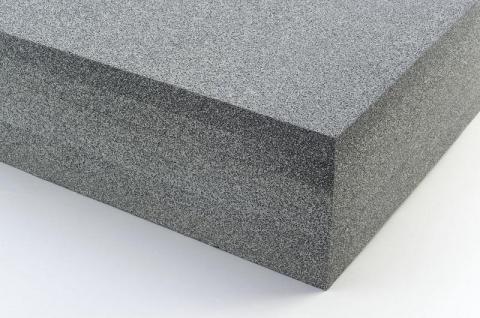
Conductive elastomer gaskets are dual-purpose sealing components designed to provide EMI/RFI shielding while protecting enclosures against dust, moisture and other contaminants. They are widely used in aerospace, defence, telecommunications and industrial electronics where both EMC compliance and environmental sealing are required. The range includes particle-filled conductive silicone materials, conductive-coated soft profiles, co-extruded conductive and non-conductive elastomer profiles, and oriented wire silicone gaskets. These options allow engineers to balance shielding effectiveness, closure force, chemical resistance, galvanic compatibility and cost. Available formats include sheet stock, extruded profiles, die-cut parts and custom-moulded shapes for integration into a wide variety of enclosure designs. Fluorosilicone variants are available for exposure to fuels, oils and solvents. Depending on material and design, these gaskets can support high shielding attenuation and sealing performance up to demanding IP-rated applications. The result is a flexible product range for creating reliable electrical contact and durable environmental sealing in harsh operating conditions.
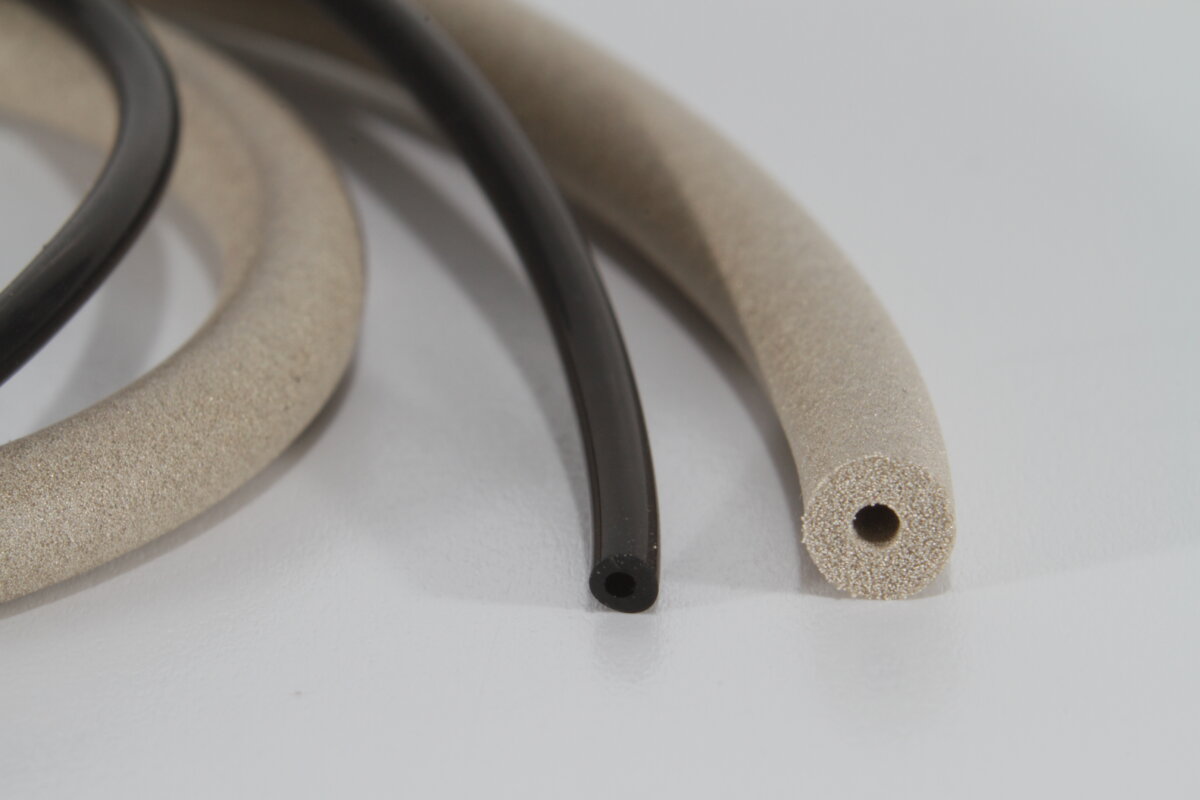
Conductive elastomer EMI shielding gaskets are speciality sealing components that combine electrical conductivity with resilient environmental sealing in one material system. They help enclosure designers reduce parts count by replacing separate EMI shields and weather seals with a single integrated gasket solution.
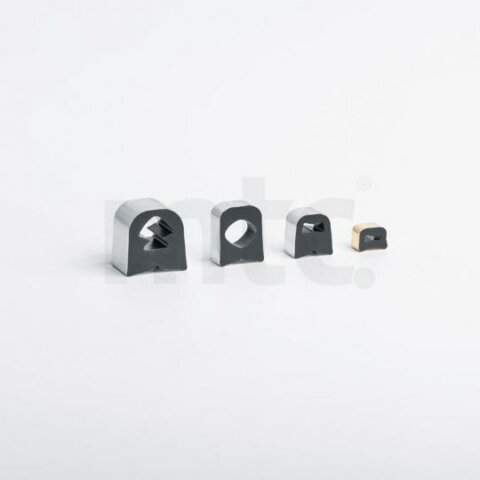
This product range includes constant conductive elastomer sheets, conductive silicone profiles, co-extruded dual-material strips and oriented wire silicone gaskets. Each option is tailored to different application priorities such as maximum shielding, low closure force, galvanic compatibility, chemical resistance or complex profile geometry.
Range features
A high level overview of what this range offers
- EMI shielding and environmental sealing in one – Reduces design complexity by combining EMC performance with dust- and moisture-resistant sealing.
- Wide choice of conductive fillers – Available with carbon, nickel-plated graphite, silver-plated glass, silver-plated copper and silver-plated aluminium to balance conductivity, cost and material compatibility.
- High shielding effectiveness – Suitable for demanding EMC applications with typical attenuation levels up to 80–120 dB depending on material and frequency.
- Support for high ingress protection – Selected gasket types and profile designs can achieve sealing performance up to IP68.
- Flexible product formats – Supplied as sheets, strips, extruded profiles, die-cut parts and custom-moulded gaskets for application-specific integration.
- Low closure force options – Soft conductive-coated silicone foam cores and low-durometer variants help protect delicate housings and improve sealing on uneven surfaces.
- Oriented wire technology – Embedded Monel or aluminium wires create dense through-thickness conductive contact points for reliable shielding continuity.
- Chemical-resistant material options – Fluorosilicone versions are available for exposure to fuels, oils and solvents.
- Easy installation – Can be fitted into grooves, supplied in continuous lengths or fixed with suitable adhesive methods where required.
- Compliance-ready materials – RoHS and REACH compliant elastomer compounds support long service life and responsible material selection.
What’s in this range?
All the variants in the range and a comparison of what they offer
Conductive Filler (Base) | Hardness (Shore A) | Volume Resistivity (Ω·cm) | Operating Temp (°C) | Standard Sheet Size | Thickness Range (mm) |
Carbon (Silicone) | 60–70 | 9.0 | –55 to 200 | 300 × 210 mm | 1.0 – 10.0 |
Nickel Plated Graphite (Silicone) | ~60 | 0.05 | –55 to 160 | 150 × 150 to 300 × 300 mm | 0.5 – 3.2 |
Nickel Plated Graphite (Fluoro) | ~65 | 0.05 | –55 to 160 | 150 × 150 to 300 × 300 mm | 0.5 – 3.2 |
Silver Plated Glass (Silicone) | ~70 | ≤ 0.01 | –65 to 160 | 200 × 200 up to 300 × 300 mm | 0.5 – 2.0 |
Silver Plated Glass (Fluoro) | ~75 | ≤ 0.015 | –55 to 160 | 200 × 200 up to 300 × 300 mm | 0.5 – 2.0 |
Silver Plated Copper (Silicone) | ~65 | 0.004 | –55 to 125 | 150 × 150 to 300 × 300 mm | 0.5 – 3.2 |
Silver Plated Copper (Fluoro) | ~65 | 0.010 | –55 to 125 | 150 × 150 to 300 × 300 mm | 0.5 – 3.2 |
Silver Plated Aluminium (Silicone) | ~65 | 0.008 | –55 to 160 | 150 × 150 to 300 × 300 mm | 0.5 – 3.2 |
Silver Plated Aluminium (Fluoro) | ~70 | 0.012 | –55 to 160 | 150 × 150 to 300 × 300 mm | 0.5 – 3.2 |
Gasket Variant | Max Sheet Width | Thickness Range (mm) | Max Length | Wire Density (wires/cm²) | Temperature Range |
Solid Silicone (w/ metal wires) | up to 225 mm | 0.8 – 3.2 | 900 mm | 140 | –60 to 200 °C |
Solid Fluorosilicone (wires) | up to 150 mm | 0.8 – 3.2 | 900 mm | ~140 | –55 to 200 °C |
Silicone Sponge (wires) | up to 114 mm | 1.6 – 3.2 | 900 mm | 100 | –60 to 200 °C |
Soft Solid Silicone (wires) | up to 225 mm | 0.8 – 3.2 | 1000 mm | 100 | –60 to 200 °C |
Soft Solid Fluorosilicone (wires) | up to 150 mm | 0.8 – 3.2 | 1000 mm | 100 | –55 to 200 °C |
Material and performance notes
- All specification values are typical reference values.
- Fluorosilicone variants are generally around 5 Shore A harder than comparable silicone grades.
- Lower volume resistivity indicates higher intrinsic conductivity.
- Sheet sizes shown are standard references; custom dimensions may be available on request.
Oriented wire design notes
- Fine Monel or aluminium wires are embedded perpendicular to the gasket surface.
- Standard recommended compression is typically 10–25% of gasket thickness.
- Solid variants prioritise durability and shielding density, while sponge and soft solid variants reduce closure force.
- Fluorosilicone wire variants improve resistance to fuels, oils and solvents.
FAQs
for Conductive elastomers
Common filler options include carbon, nickel-plated graphite, silver-plated glass, silver-plated copper and silver-plated aluminium. Carbon-filled silicone is typically the most economical option for ESD control or moderate shielding needs, while nickel-graphite and silver-based fillers provide much lower resistivity and stronger EMI shielding performance.
Selection depends on the required attenuation level, operating frequency range, budget and galvanic compatibility with the enclosure material. Silver-based fillers are usually preferred for maximum shielding performance, while nickel-graphite or carbon may be sufficient for less demanding or more cost-sensitive applications.
When correctly compressed between conductive mating surfaces, conductive elastomer gaskets can typically provide around 80 to 120 dB of EMI/RFI attenuation, depending on the filler type, gasket construction and test frequency. Silver-based materials generally offer the highest attenuation, while carbon-filled grades provide lower but still useful shielding for many commercial applications.
Overall enclosure design also matters. Proper compression, good surface contact and minimising gaps are essential to achieving the best shielding performance in practice.
Yes. Many conductive elastomer gasket designs provide environmental sealing as well as EMI shielding. Depending on the profile and installation, some variants can achieve sealing performance up to IP68.
Co-extruded profiles are especially useful where a dedicated non-conductive sealing section is needed for weather resistance while the conductive section maintains EMI continuity. Fully conductive elastomer profiles can also provide strong sealing, while oriented wire gaskets are typically chosen where high shielding and good environmental resistance are both needed, even if the absolute highest IP ratings are not the main priority.
These gaskets are typically installed by compression between mating enclosure surfaces such as lids, doors or chassis parts. In many applications they sit in a groove or are simply clamped in place by the enclosure fasteners, so no special hardware is required.
If positioning support is needed during assembly, a light silicone-based adhesive or RTV can be used as an installation aid. Care should be taken not to block critical conductive contact areas, and over-compression should be avoided, especially with oriented wire designs.
Galvanic corrosion can be a consideration when dissimilar metals are in electrical contact in the presence of moisture. To reduce this risk, the conductive filler should be chosen to match or remain compatible with the enclosure material or plating wherever possible.
For example, aluminium-based fillers are often preferred with aluminium housings, while nickel-based fillers may be suitable for nickel-plated or stainless surfaces. The silicone binder also helps limit direct metal-to-metal contact area, which can reduce corrosion risk compared with all-metal gasket solutions.
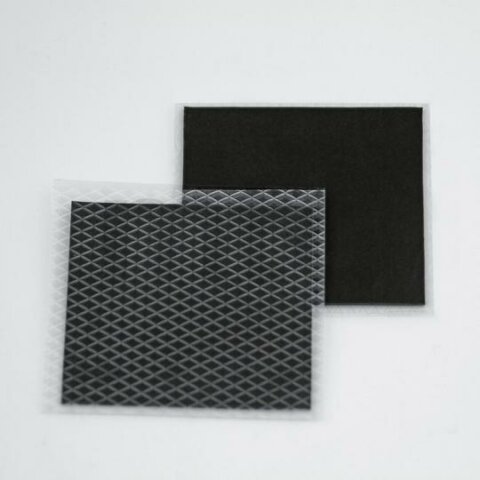
An oriented wire silicone gasket contains many fine metal wires embedded through the thickness of a silicone sheet or strip. These wires create dense conductive pathways across the gasket while the silicone body provides flexibility and environmental sealing.
This design is especially useful when high shielding effectiveness, low closure force and reliable electrical continuity are required. It is commonly selected for access panels, enclosure doors and rugged electronic housings where repeated opening and closing or variable compression conditions may occur.
A co-extruded profile combines conductive silicone and non-conductive silicone within one integrated cross-section. This allows conductivity only where it is needed for EMI shielding, while the rest of the profile can be optimised for environmental sealing, softness or structural support.
The result is often a more cost-effective solution for larger or more complex gasket profiles, while also improving sealing behaviour and reducing the amount of expensive conductive filler required.
Yes. Fluorosilicone-based variants are available for applications involving exposure to fuels, oils, hydraulic fluids and many solvents. These materials offer improved resistance to chemical attack and swelling compared with standard silicone.
They are a strong choice for aerospace, transport and industrial applications where chemical durability is critical, while still providing the EMI shielding performance expected from conductive elastomer gasket materials.