Conductive tapes
- Technology
- EMI shielding materials
- Partner
- MTC
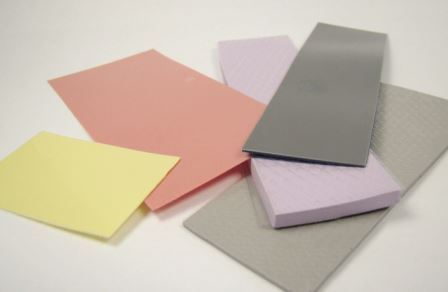
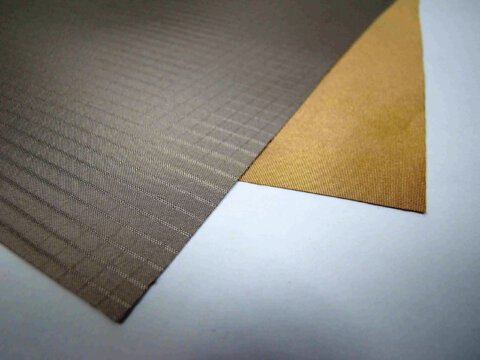
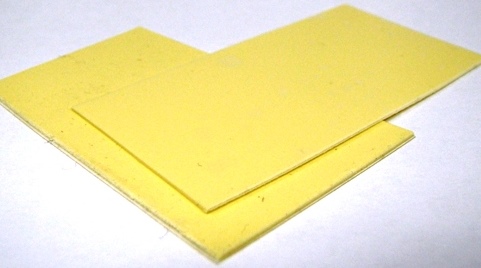
TCAT series thermally conductive adhesive tapes are thermal interface materials designed to simplify heat sink and spreader attachment in electronic assemblies. Each tape is a double-sided, pressure-sensitive adhesive film filled with ceramic particles to conduct heat away from hot components. They create a secure bond between a device and a heat sink without requiring mechanical fasteners or messy thermal pastes. The tapes provide reliable heat transfer while electrically isolating the bonded parts, which is especially valuable in power electronics and LED modules. With thermal conductivity options from 1.0 W/mK to 2.0 W/mK, the range supports different cooling requirements and operating temperatures. Available in sheets, rolls, or custom die-cut formats, the tapes are easy to integrate into prototypes and volume production. TCAT series tapes help improve heat dissipation and component longevity without adding assembly complexity.
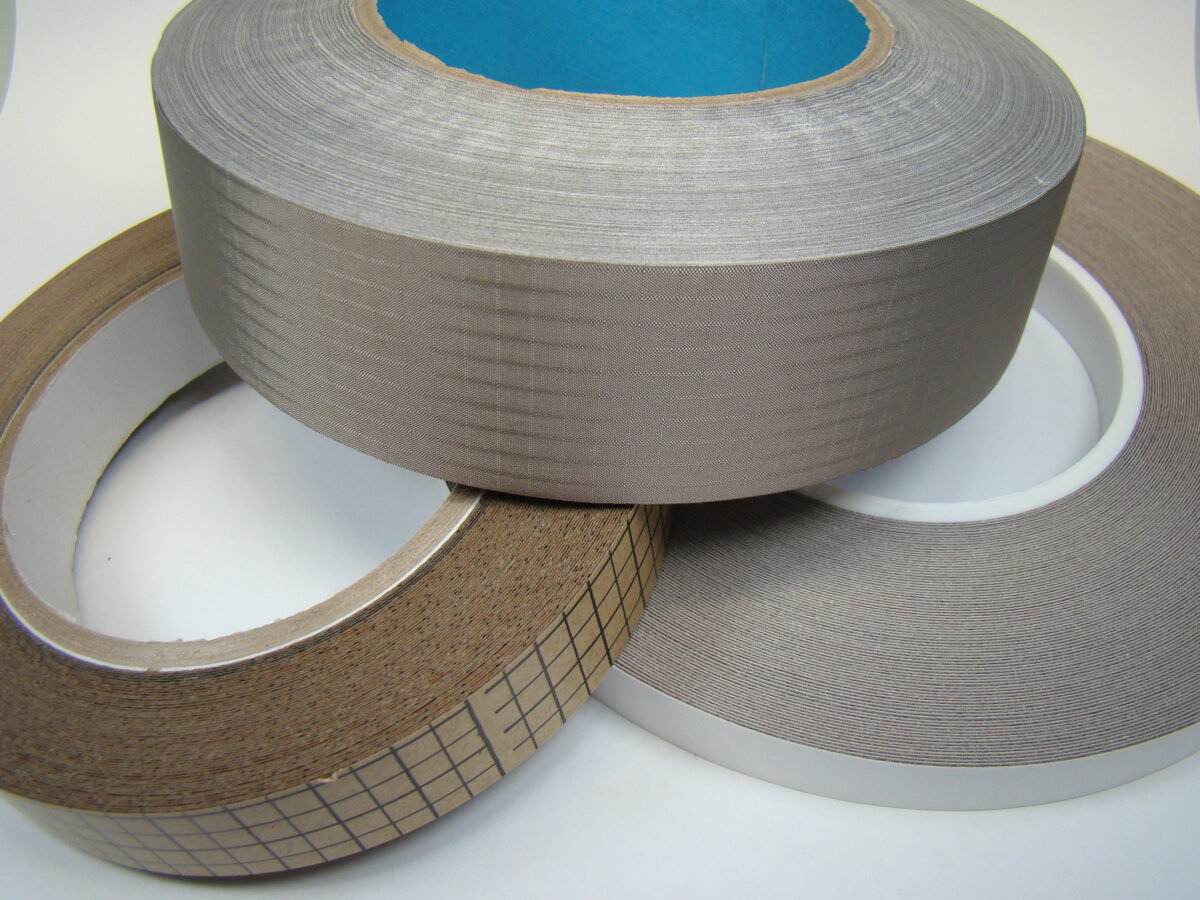
TCAT series tapes are designed for engineers who need a clean, fast, and reliable way to mount heat sinks, spreaders, and other cooling components directly onto heat-generating devices.
Because the material combines thermal conductivity, pressure-sensitive adhesion, and electrical insulation in one layer, it reduces assembly steps and removes the need for screws, clips, or separate bonding compounds in many applications.
Typical use cases include power electronics, LED lighting modules, control boards, compact industrial devices, and other assemblies where efficient heat transfer and simplified mounting are both important.
Range features
A high level overview of what this range offers
- High thermal conductivity up to 2.0 W/mK – Supports efficient heat transfer from components to heat sinks for improved thermal management.
- Double-sided pressure-sensitive adhesive – Enables fast mounting with no curing time and no need for screws, clips, or brackets in many designs.
- Electrical insulation – Ceramic-filled construction transfers heat while helping prevent electrical shorting between live components and metal heat sinks.
- Wide operating temperature capability – Selected grades support temperature ranges from as low as -60°C up to +150°C.
- Multiple thickness options – Available from 0.1 mm to 2.0 mm to balance gap filling and thermal resistance.
- Strong mechanical bond – High peel and shear performance helps keep bonded cooling components securely attached.
- Flexible supply formats – Offered in sheets, rolls, and custom die-cut parts for prototyping and production.
- RoHS and REACH compliant – Suitable for applications requiring alignment with common environmental regulations.
Thermal performance Choose from 1.0, 1.2, 1.5, and 2.0 W/mK variants to match the heat load and target operating temperature of your application.
Assembly efficiency The self-adhesive, double-sided format simplifies installation and helps reduce part count by replacing separate fastening hardware in many designs.
Design flexibility With different polymers, thickness ranges, reinforcement options, and custom die-cut availability, the series can be adapted to many electronic packaging requirements.
Downloads
for Conductive tapes
What’s in this range?
All the variants in the range and a comparison of what they offer
| Property | TCAT 1.0 W/mK | TCAT 1.2 W/mK | TCAT 1.5 W/mK | TCAT 2.0 W/mK |
|---|---|---|---|---|
Thermal conductivity | 1.0 W/mK | 1.2 W/mK | 1.5 W/mK | 2.0 W/mK |
Hardness | 60 Shore 00 | 45 Shore A (±10%) | 45 Shore A | 60 Shore 00 |
Base polymer | Acrylic-based | Silicone-based | Acrylic-based | Silicone-based |
Fibreglass reinforcement | ≥ 0.5 mm thickness | Optional (if specified) | Yes (all thicknesses) | None |
Available thicknesses | 0.3 – 2.0 mm | 0.3 – 2.0 mm | 0.1 – 0.5 mm | 0.3 – 2.0 mm |
Standard sheet size | 400 × 300 mm | 400 × 300 mm | 297 × 210 mm | 400 × 300 mm |
Operating temperature range | -45 to +120 °C | -60 to +150 °C | -45 to +120 °C | -60 to +150 °C |
Breakdown voltage (dielectric) |
|
|
|
|
Density | 1.35 g/cm3 | 2.5 g/cm3 | 1.35 g/cm3 | 2.6 g/cm3 |
Peel adhesion (23 °C) | – | 8.3 N/25 mm | 12 N/25 mm | 8.8 N/25 mm |
Shear strength (approx.) | 6.9 MPa | – | 6.2 MPa | – |
Shelf life (stored at 23°C) | 12 months | 12 months | 12 months | 12 months |
Selection guidance
- Choose the thinnest tape that still fills the interface gap to reduce thermal resistance.
- Select silicone-based grades when higher continuous operating temperatures are required.
- Use reinforced options where extra mechanical stability is beneficial.
Available series differences
- 1.0 W/mK and 1.5 W/mK: acrylic-based versions for reliable bonding and heat transfer.
- 1.2 W/mK and 2.0 W/mK: silicone-based versions for higher temperature capability.
- 1.5 W/mK: thinner format range with fiberglass reinforcement across all thicknesses.
FAQs
for Conductive tapes
Yes. TCAT series tapes are designed to conduct heat while remaining electrically insulating. Their polymer-and-ceramic construction provides dielectric performance in the range of approximately 3.5 to 5 kV/mm, making them suitable for use between heat sinks and live electronic components where electrical isolation is required.
In many cases, yes. These tapes can replace thermal paste or epoxy when attaching heat sinks and other cooling parts. They offer a cleaner and faster assembly process because they are self-adhesive and require no curing. While some thermal pastes may deliver lower interface resistance in certain cases, TCAT tapes provide consistent thermal performance together with mechanical bonding and easier assembly.
The adhesive bond is strong enough for permanent mounting in many applications. Depending on the grade, peel adhesion can reach 12 N/25 mm, and some versions provide shear strength of around 6 to 7 MPa. That makes the tapes suitable for securing small to medium-sized heat sinks under normal operating conditions and vibration. For very large or heavy heat sinks, additional mechanical support should still be evaluated.
The main differences are thermal conductivity, base polymer, temperature capability, and thickness format. The 1.0 W/mK and 1.5 W/mK versions are acrylic-based, while the 1.2 W/mK and 2.0 W/mK versions are silicone-based and support higher operating temperatures up to 150°C. The 1.5 W/mK grade is limited to thinner thicknesses and includes fiberglass reinforcement throughout, while the 1.2 W/mK version can be specified with optional fiberglass reinforcement.
Clean and dry both bonding surfaces thoroughly before application. Use the thinnest tape that will still fill the gap properly, then align it carefully and press it firmly and evenly to minimize trapped air. The pressure-sensitive adhesive bonds immediately, so no curing is required. Because the tape is not intended to be repositioned after placement, accurate alignment on the first application is important.
Generally, yes. A thinner tape usually provides lower thermal resistance because heat travels through less material. However, the tape still needs to conform to the mating surfaces and eliminate air gaps. The best choice is the thinnest thickness that still achieves full contact across the interface.
Yes. The recommended shelf life is approximately 12 months when stored at around 23°C under normal controlled conditions. For best results, keep the tapes sealed in their original packaging and store them in a cool, dry place away from direct sunlight until use.
They are available in more than just standard sheet form. In addition to standard sheet sizes, TCAT series tapes can also be supplied in roll form and as custom die-cut parts. This supports both manual prototyping and faster, more repeatable assembly in production.
No. Once applied, the bond is intended to be permanent. Removing the attached heat sink can damage the adhesive layer, leave residue, and reduce performance, so the tape should not be reused. It is best to position the tape correctly on the first attempt and use a fresh piece if rework is required.
A specific UL 94 flammability rating is not listed in the provided standard specifications. The series is described as RoHS and REACH compliant, but if a certified flammability rating is required for your application, you should verify that requirement separately and review the latest supplier documentation.