SWIR Infrared Cameras
Shortwave infrared imaging for reflected-light analysis
SWIR cameras capture shortwave infrared light to reveal information that may not be visible with conventional cameras. Unlike MWIR and LWIR cameras, which detect thermal radiation, SWIR systems primarily work with reflected or externally generated light. This makes them useful for analysing materials, coatings, moisture, semiconductors, and laser-based applications.
SWIR imaging is commonly used for inspection, materials research, laser alignment, and semiconductor analysis where spectral information is more important than direct temperature measurement.
When selecting a SWIR camera, important factors include wavelength range, detector sensitivity, illumination, optics, frame rate, and interface requirements. The right combination depends on the material or feature being measured and the way the scene is illuminated.
Do you want to know more about this technology? Try out our new Chatbot!
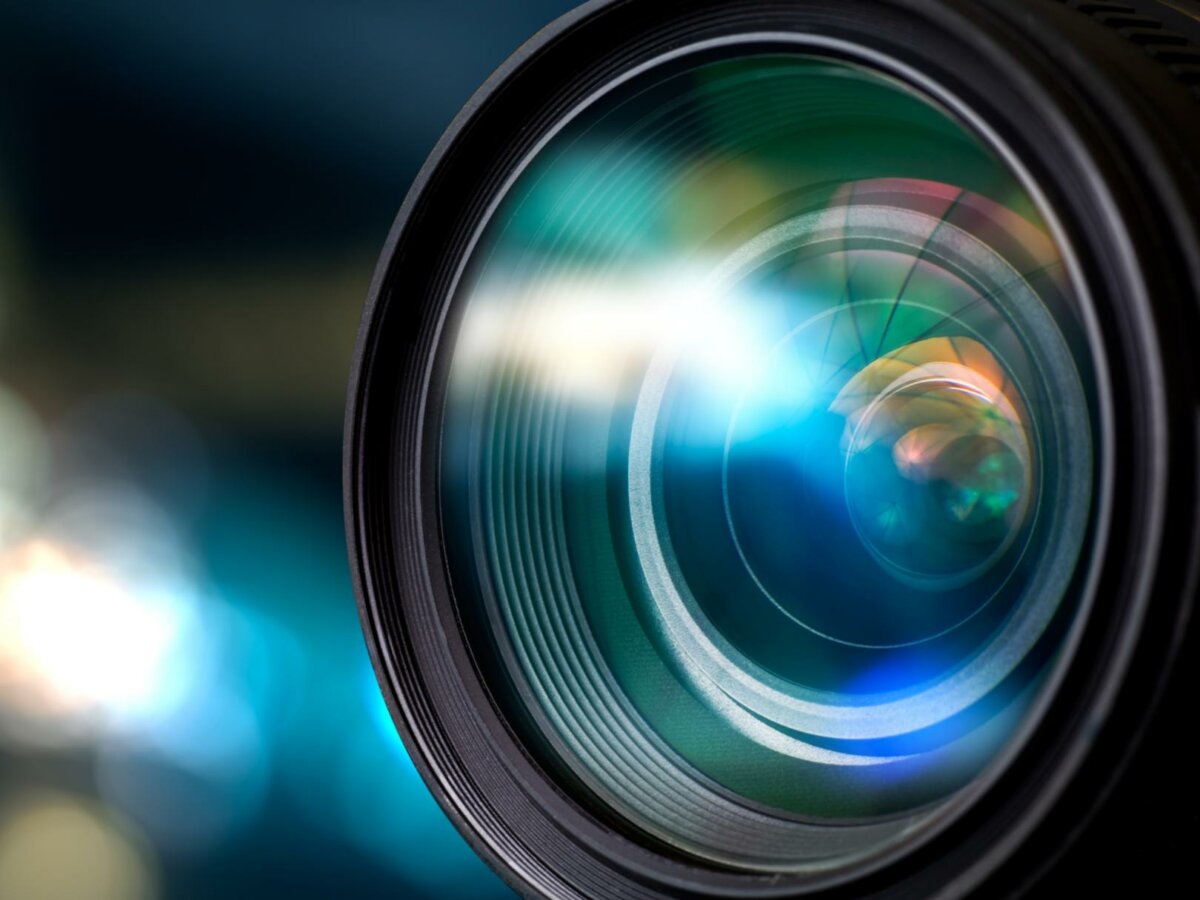
Why our SWIR portfolio is right for you
Our SWIR camera solutions extend imaging beyond the visible spectrum, helping engineers identify material properties and features that conventional cameras may not reveal.
With solutions for applications including semiconductor inspection, materials research, moisture detection, laser alignment, and industrial inspection, our portfolio provides the flexibility to match detector performance, spectral range, optics, and illumination to your application.
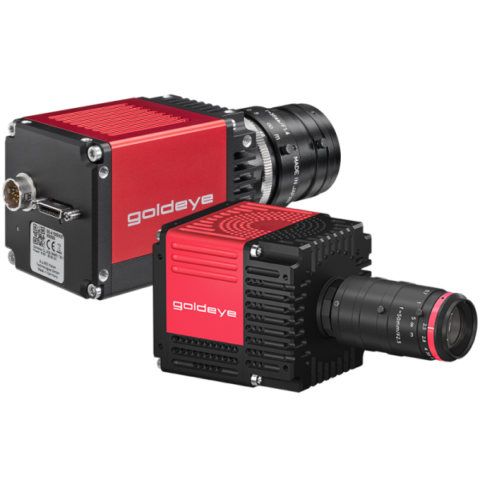
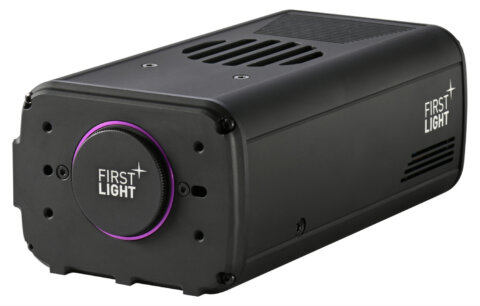
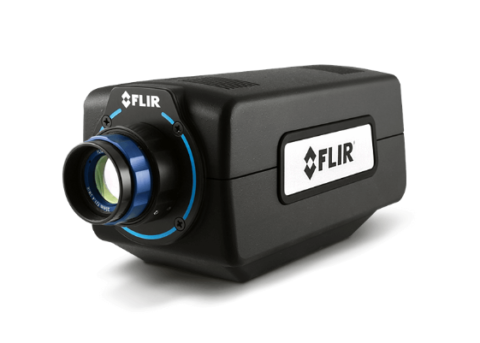
Key selection factors
- Wavelength range: Make sure the camera covers the wavelengths relevant to the material or application.
- Detector sensitivity: InGaAs and other detector technologies offer different spectral ranges and performance characteristics.
- Illumination: SWIR performance depends heavily on the light source, intensity, geometry, and stability.
- Optics: Check that lenses, coatings, filters, and windows provide adequate transmission across the required SWIR range.
- Image contrast: SWIR contrast is generally based on differences in reflection, absorption, or transmission rather than temperature.
- Application requirements: If direct temperature measurement is required, MWIR or LWIR may be a more suitable choice.
Technical overview
SWIR cameras typically operate in the 0.9–1.7 µm range and commonly use InGaAs detectors. Rather than measuring emitted heat, they detect reflected or transmitted shortwave infrared radiation, so the choice and control of illumination are an important part of the imaging system.
SWIR cameras can often be integrated with conventional machine-vision hardware more easily than longer-wave infrared systems. However, lenses, coatings, filters, and other optical components still need to provide suitable transmission at the required wavelengths.
Compared with broadband infrared cameras, SWIR systems cover a more defined spectral range, which can make them easier to control and analyse for specific applications. They are particularly useful for semiconductor inspection, moisture detection, material identification, and laser-based measurements.
Integration notes
SWIR cameras can often be integrated into existing machine-vision systems using standard mechanical and digital interfaces. Their typically uncooled operation can also simplify system design compared with cooled MWIR cameras.
Illumination is one of the most important integration considerations. Changes in light intensity, angle, or positioning can affect image contrast and measurement repeatability. Calibration therefore focuses on factors such as detector response, spectral performance, and illumination consistency rather than temperature alone.
FAQ’s
SWIR cameras are typically used for reflected-light applications such as semiconductor inspection, laser profiling, and material analysis. They reveal features that are not visible in standard RGB imaging. They are not designed for direct temperature measurement.
SWIR cameras detect reflected light, while MWIR and LWIR cameras measure emitted thermal radiation. This means SWIR is suited to optical inspection, whereas MWIR and LWIR are used for heat-related analysis. The difference affects both setup and interpretation.
Yes, in most cases. Common options include: • broadband halogen sources • laser illumination • filtered light sources Without proper illumination, contrast may be insufficient.
Not directly. They are not designed for radiometric temperature measurement like MWIR or LWIR cameras. Any thermal interpretation would be indirect and application-specific.
Some are, but not all lenses transmit SWIR wavelengths efficiently. It is important to verify lens material and coating performance. Using incorrect optics can significantly reduce image quality.
SWIR cameras are preferred when you need a controlled, narrow spectral range. Broadband IR cameras are more suitable when studying materials with complex spectral behaviour. SWIR simplifies analysis in many cases.
A frequent issue is treating them like thermal cameras. Without proper lighting and understanding of reflectance, results can be misleading. Careful setup is essential.