Visible and UV camera modules (OEM)
Compact imaging cores for OEM integration
Our visible and UV camera modules are compact imaging cores designed to give engineers a flexible starting point for building their own vision systems. From industrial inspection and robotics to scientific imaging and specialist detection, they provide the core imaging technology needed to capture reliable visual data and integrate it into a larger system.
The right camera depends on what you need your system to achieve. Factors such as resolution, sensor type, shutter, frame rate, optical configuration, spectral response, interface, and operating environment can all influence the final choice.
Our portfolio includes options such as high-resolution sensors, global and rolling shutter configurations, and digital interfaces including USB, MIPI, and GigE. For UV applications, specialised sensors, optics, and filtering provide the spectral sensitivity needed to capture information that conventional visible cameras cannot.
Rather than simply choosing the camera with the highest specification, it is important to consider how the camera will work as part of the complete imaging system. The optical design, processing requirements, available bandwidth, lighting conditions, mechanical constraints, and environment can all affect performance and integration.
Do you want to know more about this technology? Try out our new Chatbot!
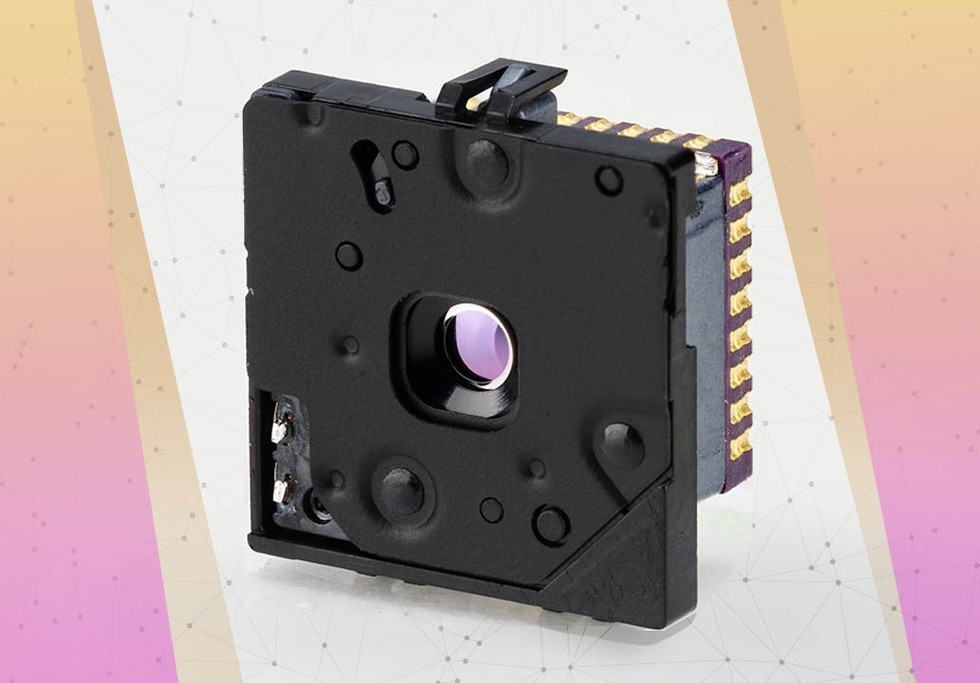
Catagory overview
Our visible, zoom, FPV and UV camera modules are compact, integration-ready imaging solutions, each designed for a specific application.
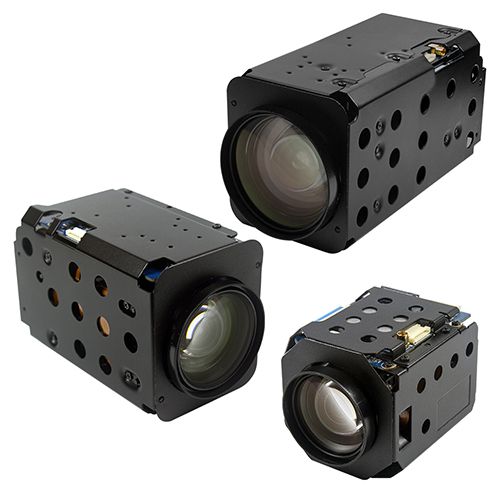
Visible camera modules offer versatile, general-purpose imaging in a compact format. Visible zoom block cameras add motorised optics for remote control of field of view and magnification, making them ideal where viewing distances and detail levels vary.
FPV cameras are designed for low-latency live viewing, supporting drones, robotics, remote operation and other time-critical applications.
UV camera modules capture beyond the visible spectrum, helping detect phenomena such as fluorescence, contamination and corona discharge that standard cameras may miss.
Choosing the right camera depends on what you need to see, how quickly you need to see it, and your integration and operating requirements. Our imaging specialists can help you select the right solution from our portfolio or, where an off-the-shelf product isn’t quite right, work with our camera partners to develop a solution tailored to your performance, interface, optical and environmental needs.
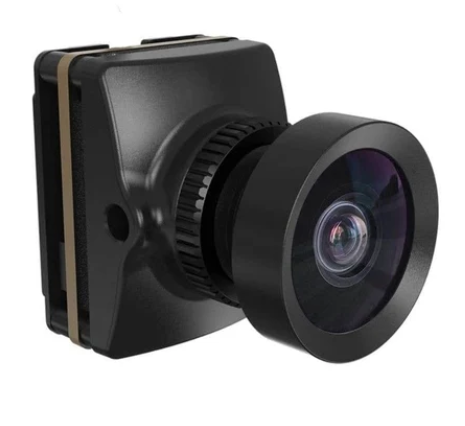
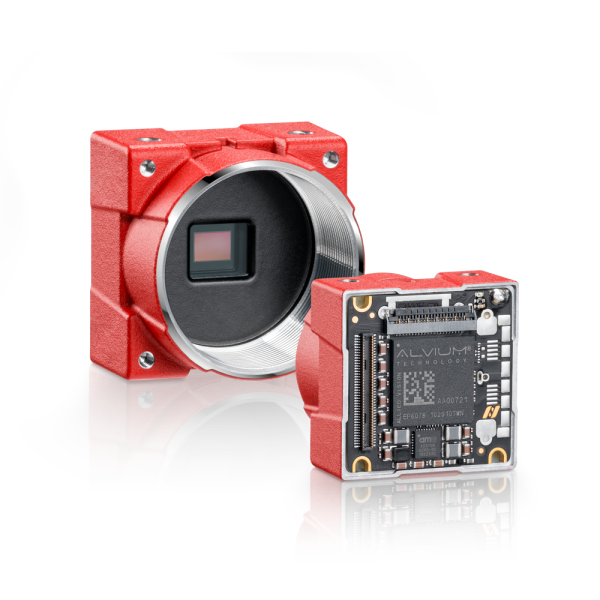
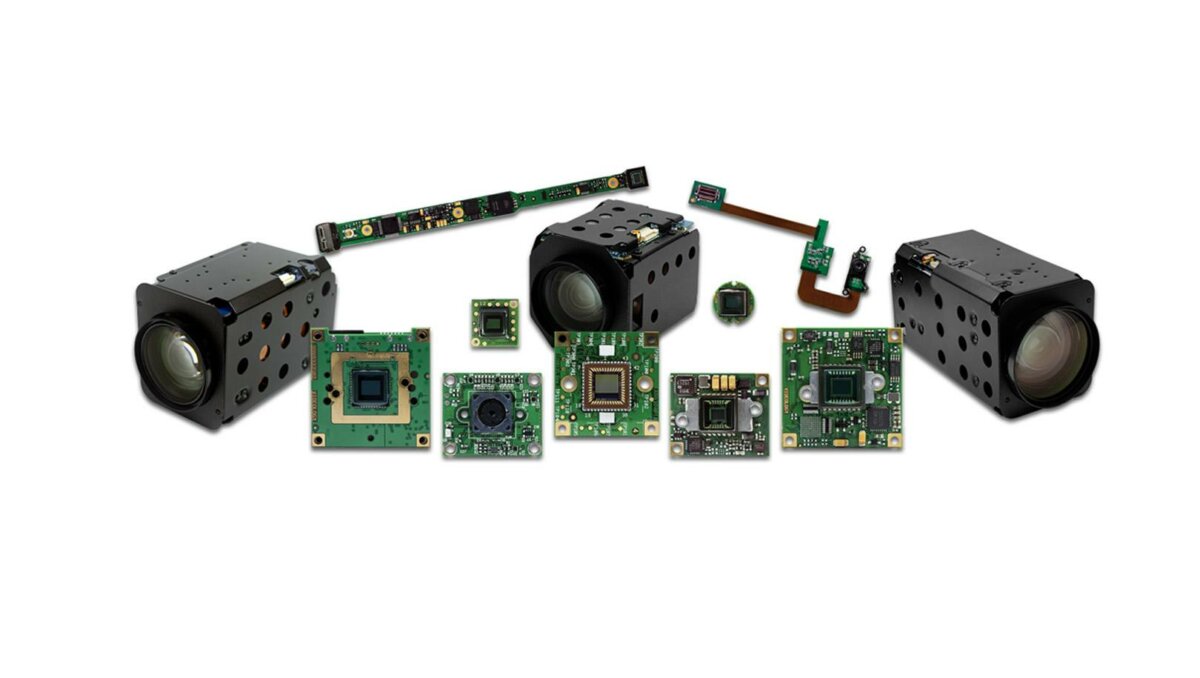
Key selection factors
-
Imaging objective (general vs specialised): Visible camera modules are ideal for standard imaging tasks, while UV camera modules are designed for spectral-specific applications such as fluorescence imaging, material analysis, and surface inspection.
-
Field-of-view flexibility: Visible zoom blocks provide adjustable focal lengths for applications requiring variable coverage, whereas fixed-lens modules prioritise simplicity, compactness, and stability.
-
Latency requirements: FPV cameras are preferred where real-time response is critical, delivering significantly lower latency than conventional processed imaging systems.
-
Optical and mechanical complexity: Fixed camera modules are typically simpler to integrate, while zoom systems introduce additional mechanical components, control requirements, and calibration considerations.
-
Interface and data handling: Different module types place varying demands on bandwidth and processing resources. High-resolution or multi-stream imaging can quickly increase system complexity if data handling requirements are underestimated.
-
Environmental and spectral constraints: UV imaging systems require specialised optics, coatings, and controlled illumination conditions to maintain accuracy, while visible imaging systems generally offer greater flexibility across lighting environments.
Whether you’re developing an industrial inspection platform, an embedded vision system, or a specialist spectral imaging application, selecting the right camera architecture is critical to achieving reliable, high-quality imaging performance from concept through to deployment.
FAQ’s
They are used as embedded imaging components in systems ranging from industrial automation to scientific analysis. Visible modules provide general imaging, while UV modules enable specialised inspection tasks. They are designed for integration into OEM systems.
The key difference is optical flexibility:
- Visible camera modules: fixed optics, simpler integration
- Visible zoom blocks: variable focal length, higher complexity The choice depends on whether adjustable field of view is required.
FPV cameras are preferred when low latency and real-time response are critical. Visible camera modules are better suited for applications where image quality and processing are more important. The decision depends on system priorities.
Integration complexity varies by subtype. Fixed visible modules are relatively straightforward, while zoom blocks and UV systems introduce additional challenges. Proper system design helps manage these differences.
Typical trade-offs include:
- Flexibility vs simplicity (zoom vs fixed)
- Latency vs image processing (FPV vs standard modules)
- Spectral capability vs integration complexity (UV vs visible)
These influence overall system design.
Yes, multi-camera systems often combine visible, UV, or low-latency modules. This enables complementary imaging capabilities. The trade-off is increased system complexity and integration effort.
Typical issues include:
- Choosing the wrong module type for the application
- Ignoring interface and bandwidth requirements
- Underestimating optical and environmental constraints
These can lead to suboptimal system performance if not addressed early.