Visible camera modules
High-quality imaging camera modules for integrating into your own system.
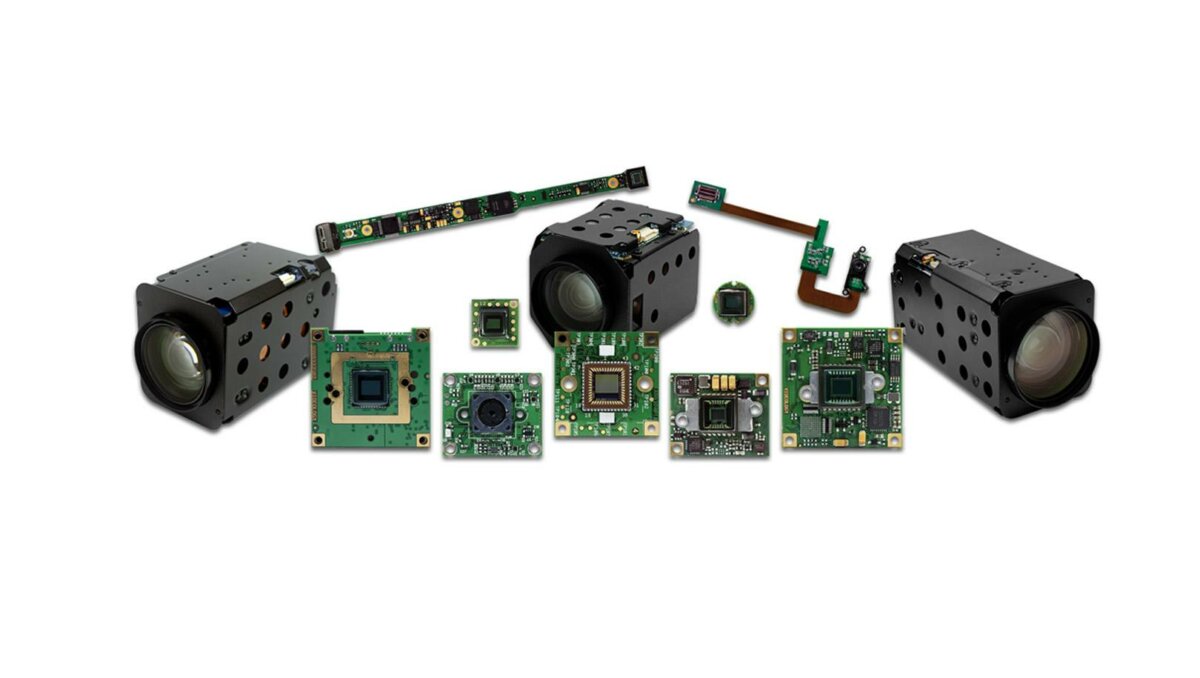
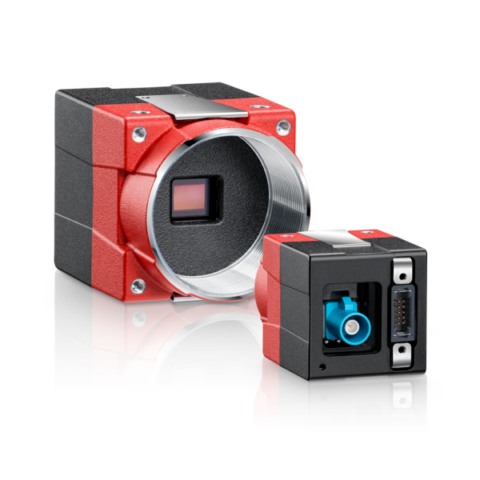
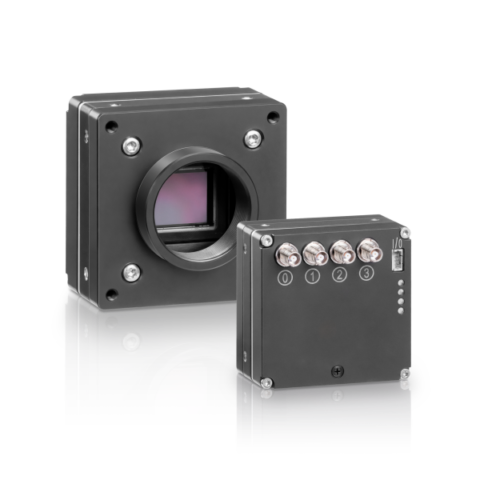
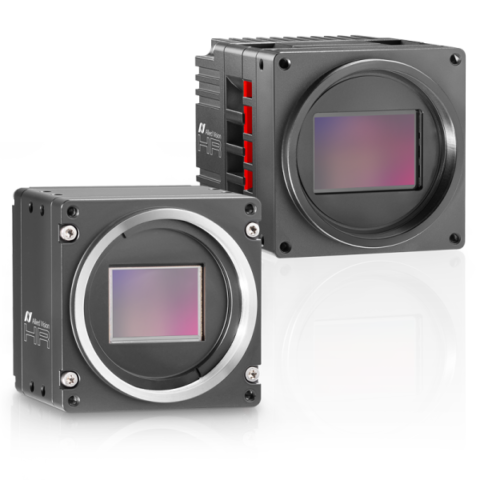
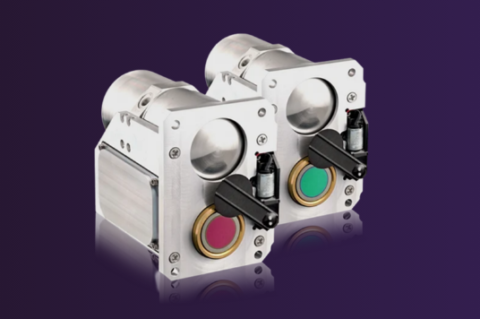
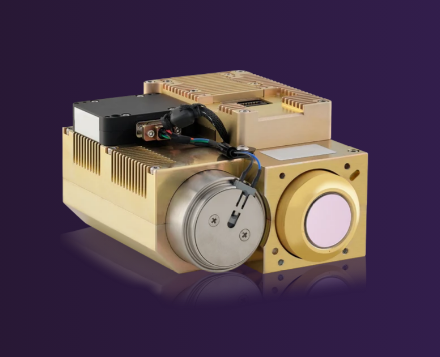
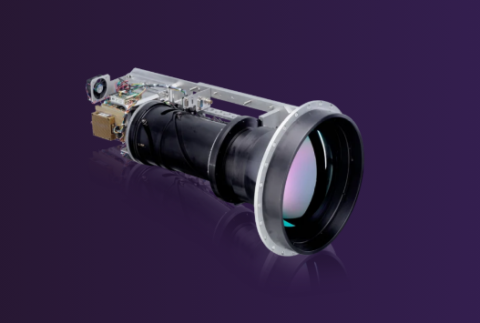
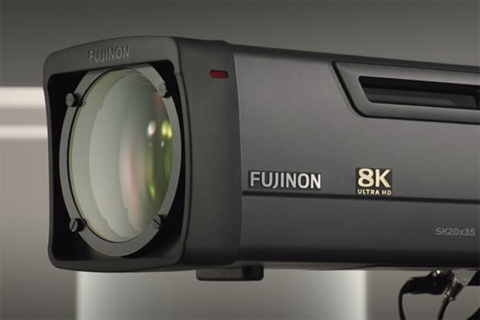
High-quality visible-light camera modules for integration into your own imaging system. Our broad range of compact camera cores combines high-performance image sensors and processing in solutions designed for embedded vision applications, with options ranging from fixed visible camera modules to motorised zoom block cameras.
Visible camera modules form the foundation of many embedded imaging systems, but the category is diverse. Different designs are optimised for specific optical configurations, performance requirements, and applications. Fixed visible modules prioritise compactness, stability, and straightforward integration, while zoom block cameras provide greater optical flexibility through an integrated motorised zoom lens. We also offer FPV cameras and UV imaging modules, each designed for specific applications and spectral requirements.
Our camera modules are suitable for a wide range of applications, including medical imaging, machine vision, robotics, UAVs, security, and defence. Our in-house imaging experts can help you evaluate the available options and select a camera core that matches your optical, mechanical, electrical, and performance requirements.
Do you want to know more about this technology? Try out our new Chatbot!
Why our portfolio is right for you
Our visible camera modules are built to deliver clear, reliable imaging across a wide range of applications, from industrial automation and medical devices to security and embedded vision. Whether you need accurate colour reproduction, sharp image detail, or dependable performance in low-light conditions, our modules are designed to provide consistent results in demanding environments.
With a broad choice of resolutions, sensor types, and interfaces, it’s easier to find a camera module that fits your system and design requirements. Our compact, high-performance solutions help simplify integration by bringing key imaging technologies together in a streamlined package, reducing development effort and helping you get your product to market sooner.
Choosing the right camera can be complex, so our in-house imaging experts are on hand to help. We’ll work with you to understand your application, identify the most suitable module, and support you through integration to ensure you get the image quality, reliability, and performance your system needs.
If a standard COTS camera module does not meet your requirements, we can also work with our world-leading camera partners to develop a bespoke solution tailored to your exact needs. From selecting the right sensor and interface to defining the optical and environmental requirements, we can help you develop a camera module that integrates seamlessly into your system.
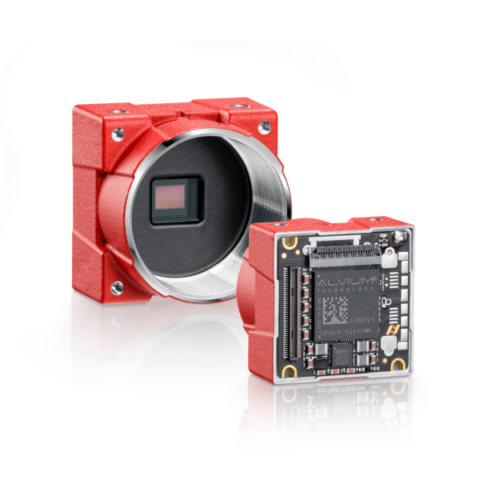
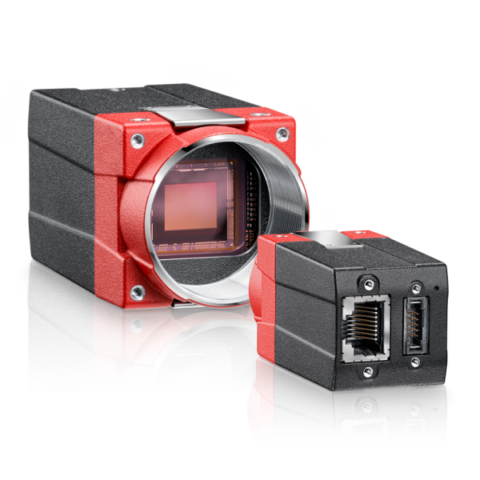

Key selection factors
- Sensor type and resolution: CMOS sensors dominate, but selection depends on required resolution, sensitivity, and frame rate.
- Interface and bandwidth: MIPI suits embedded systems, while USB or GigE may be preferred for easier integration; a common pitfall is underestimating data throughput requirements.
- Optical configuration: Fixed-focus lenses simplify design compared to visible zoom blocks, but reduce flexibility in field-of-view adjustment.
- Latency vs processing: Compared with FPV cameras, standard visible modules may introduce more processing latency due to onboard image enhancement.
- Environmental requirements: Unlike UV camera modules, visible modules are less constrained by spectral considerations but still require appropriate housing and protection.
- System complexity trade-off: Choosing between fixed visible modules and zoom blocks depends on whether adaptability or simplicity is more important in the application.
Technical overview
Visible camera modules typically combine an image sensor, lens, and onboard processing in a compact package, making them well suited to embedded vision systems. Many use a fixed-focus lens and are available with standard digital interfaces such as MIPI, USB, or GigE, making them relatively straightforward to integrate into a wider system.
Unlike visible zoom blocks, which use motorised optics to provide a variable focal length, fixed visible camera modules are designed around a set field of view and stable optical performance. FPV cameras take a different approach, generally prioritising low latency and a small form factor, while UV camera modules are designed to capture specific ultraviolet wavelengths for more specialised inspection and detection applications.
The right choice ultimately depends on what you need the camera to do. Fixed modules are often a good fit where simplicity, reliability, and consistent imaging are important; zoom blocks offer greater optical flexibility; and UV modules are suited to applications where imaging outside the visible spectrum is required. This makes visible camera modules a popular choice for industrial automation, robotics, and embedded vision systems.
Integration notes
Integrating a visible camera module is generally straightforward, particularly when using a standard digital interface. Careful alignment between the lens and sensor is still important, as even small optical issues can affect image quality. Fixed-focus modules can also be simpler to integrate mechanically than zoom systems because they have no moving optical components.
As with any digital imaging system, EMC should be considered, particularly where high-speed data interfaces are used. It is also worth paying close attention to the lens: the quality and suitability of the optics can have a significant impact on the performance of the finished system, even when the camera sensor itself is highly capable.
Depending on the module, firmware integration may provide control over features such as exposure, white balance, and image processing. If you’re comparing visible modules with zoom blocks or UV cameras, the optical requirements, available interfaces, and operating environment should all be considered early in the design process.
FAQ’s
They are used in a wide range of applications including industrial automation, robotics, surveillance, and embedded vision systems. They provide standard imaging in the visible spectrum. Their versatility makes them a common choice across industries.
Visible camera modules use fixed optics, while visible zoom blocks provide adjustable focal length: • Visible modules: fixed field of view, simpler integration • Zoom blocks: variable field of view, higher complexity The choice depends on flexibility requirements.
UV camera modules are used when ultraviolet wavelengths reveal information not visible in standard imaging, such as surface defects or material properties. Visible modules are used for general-purpose imaging. The decision depends on spectral requirements.
Yes, they are commonly designed for embedded integration. Interfaces like MIPI make them suitable for compact systems. Power consumption and size are typically optimised for this use case.
Typical challenges include: • Managing data bandwidth • Ensuring proper lens alignment • Integrating image processing pipelines These affect overall system performance.
Lens quality directly affects image sharpness, distortion, and overall performance. Even with a high-quality sensor, poor optics can limit system capability. Proper matching is essential.
Yes, but performance depends on sensor sensitivity and lens aperture. Additional illumination may be required in very low-light environments. Sensor selection plays a key role.
Typical issues include: • Ignoring interface compatibility • Underestimating processing requirements • Choosing unsuitable optics These can lead to integration challenges if not addressed early.