Optical communication & transmission
Optical building blocks for stable, scalable data transmission
Optical communication & transmission brings together the fibre optic technologies used to move signals reliably between systems, networks, and devices. For engineers, the real question is rarely just how to get light from A to B. It is about how the link behaves in the wider system, how easily it integrates into existing hardware, and how well it supports the performance, reach, and service model the application actually needs. In practice, that means looking at very different technical directions within the same category.
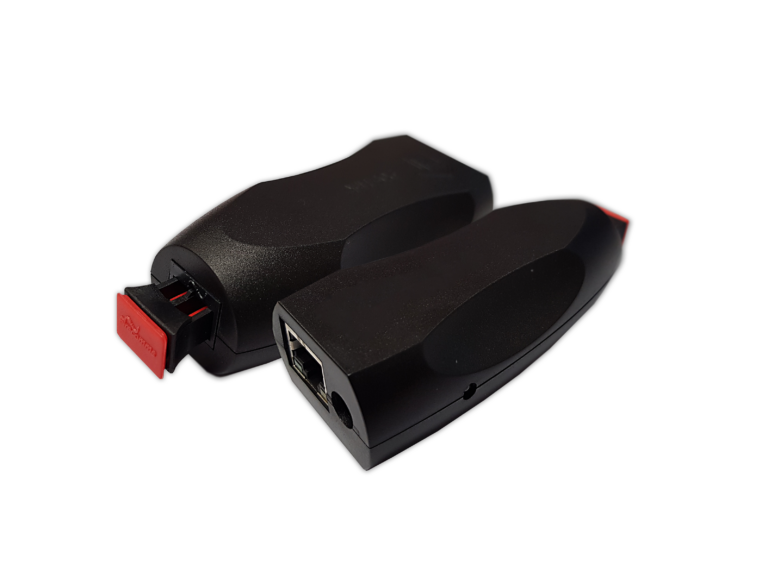
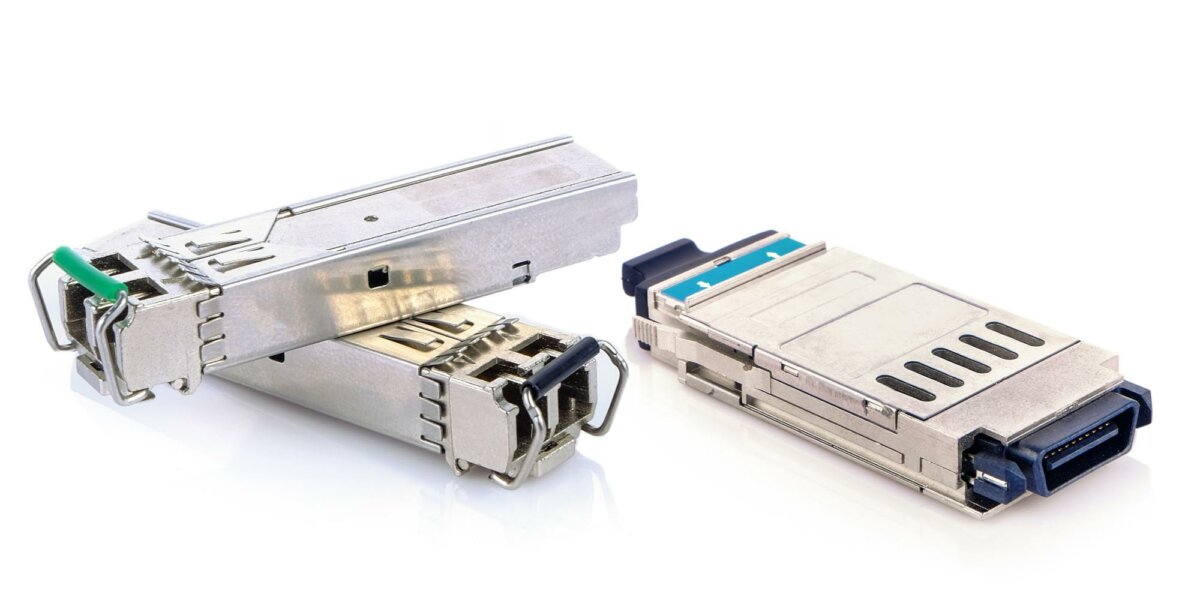
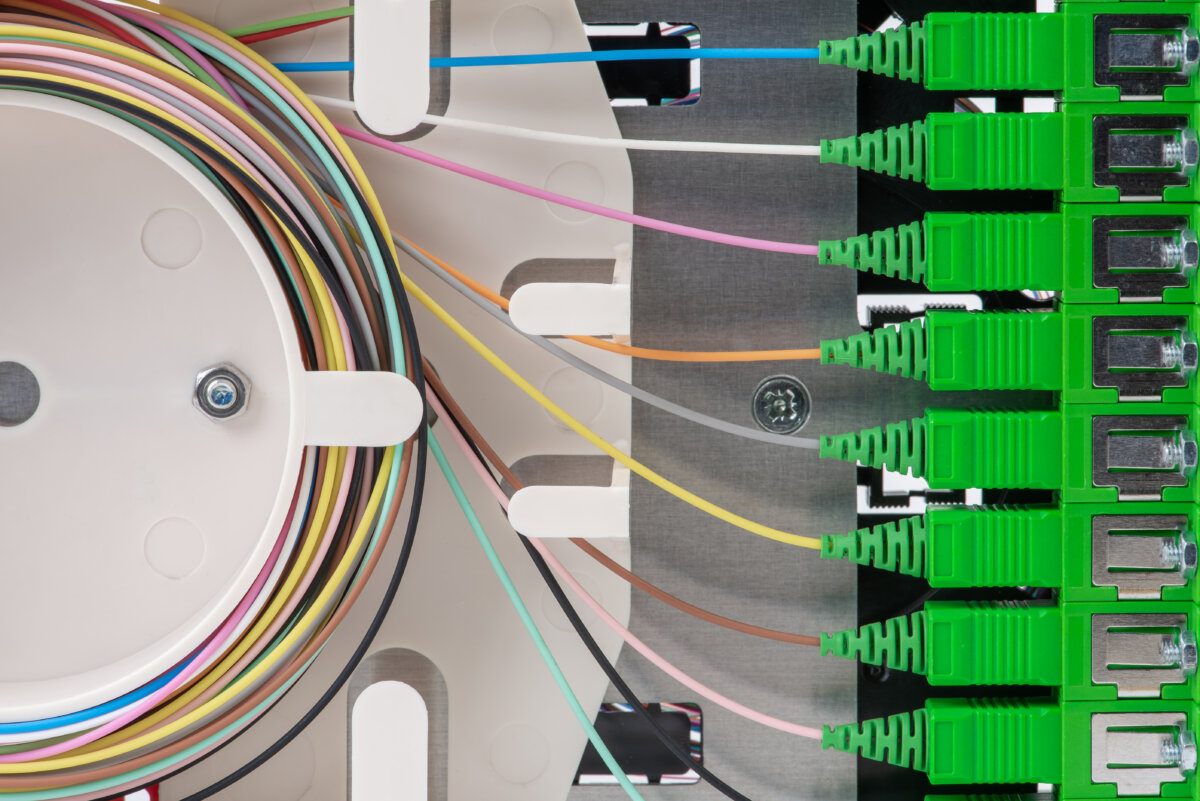
Optical transceivers support standardised, network-facing interfaces, media converters help bridge between copper and fibre infrastructures, and passive optical components shape and manage the optical path itself. In parallel, digital optical components, optical amplification, Plastic Optical Fibre (POF) components, and analogue – RF over fibre – components each address more specific transmission challenges. The right choice depends on what the signal is, where it needs to go, and what the system around it has to cope with.
Do you want to know more about this technology? Try out our new Chatbot!
Technical overview
Within Fibre Optics, optical communication & transmission is the category where the optical link becomes a system decision rather than simply a media choice. Some applications need standard, pluggable connectivity and straightforward network integration, which is where optical transceivers are often the natural route. Others need to adapt legacy infrastructure, isolate electrical domains, or extend a copper-based environment into fibre, which is where media converters come into play. There are also applications where the optical path itself needs to be split, filtered, combined, or managed, and that pushes the design towards passive optical components or, in longer and more demanding links, optical amplification.
Not every system follows a standard digital communications path either. Analogue – RF over fibre – components are relevant where analogue signal transport matters, while digital optical components offer more design freedom when a tighter hardware-level integration is required. Plastic Optical Fibre (POF) components open up another branch where shorter distances, simpler handling, or application-specific mechanical constraints carry more weight than maximum reach.
Discover our range of technologies
Key selection factors
-
Signal architecture – Start with the signal itself. A standard digital data path points in a different direction from an analogue RF link, and both need to be treated differently from a passive optical distribution setup.
-
System integration model – Some customers need a familiar pluggable interface, while others need a more embedded or bridge-based solution. That is often the point where the decision moves towards optical transceivers, digital optical components, or media converters.
-
Transmission distance and margin – Reach is never just a nominal data-sheet figure. Connector losses, patching, routing decisions, and future expansion all affect whether a standard link is enough or whether optical amplification and tighter optical budget planning are needed.
-
Infrastructure reality – A common pitfall is designing for the ideal end state while ignoring the current installation. If existing copper, mixed environments, or staged migration matter, Media converters can be more practical than forcing a full architecture change at once.
-
Channel management – If the application needs splitting, combining, filtering, or more structured control of the optical path, Passive optical components become a core part of the design rather than an accessory decision.
-
Application-specific handling – Where installation simplicity, shorter distances, or more forgiving handling matter, Plastic Optical Fibre (POF) components can be the more suitable path than a conventional glass-fibre approach.
Integration notes
A reliable optical transmission design depends on much more than the fibre link itself. Electrical interfaces, thermal behaviour, connector cleanliness, mechanical access, EMC conditions, and serviceability all influence how the system performs once it is installed. One common pitfall is to validate only the optical connection while overlooking how the host hardware, power supply, or surrounding infrastructure affects the link in daily use. Integration priorities also shift depending on the branch: optical transceivers and digital optical components usually demand closer attention to host-side compatibility and electrical design, while passive optical components and optical amplification put more focus on optical budget, route planning, and channel behaviour.
Media converters often raise more practical questions around power, mounting, and field access, especially in retrofit projects. If analogue – RF over fibre – components are involved, the integration work becomes even more system-sensitive because analogue signal behaviour has to remain stable across the whole chain.
Why our portfolio is right for you
A broad optical transmission portfolio is most useful when customers can compare standard, embedded, passive, and application-specific routes against the same system requirements rather than evaluating each technology in isolation.