Media converters
Bridging electrical and optical network environments
Media converters are used when electrical and optical network segments need to work together in one practical transmission path. Within optical communication & transmission, they form a distinct category because their main role is not to serve as the native optical interface of the host system, but to bridge between dissimilar media types in a controlled and usable way. Customers usually arrive at this branch choice when they want to extend an existing copper-based environment into fibre, connect unlike infrastructure segments, or migrate towards optical networking without redesigning the whole installation in one step. In practice, Media converters are often chosen for exactly that reason: they solve a real infrastructure problem without forcing a full architecture change upfront. That makes them very different from optical transceivers, which belong inside compatible host equipment, and from passive optical components, which manage the optical path rather than bridge electrical and optical domains. Their value lies in making transition and coexistence practical.
Do you want to know more about this technology? Try out our new Chatbot!
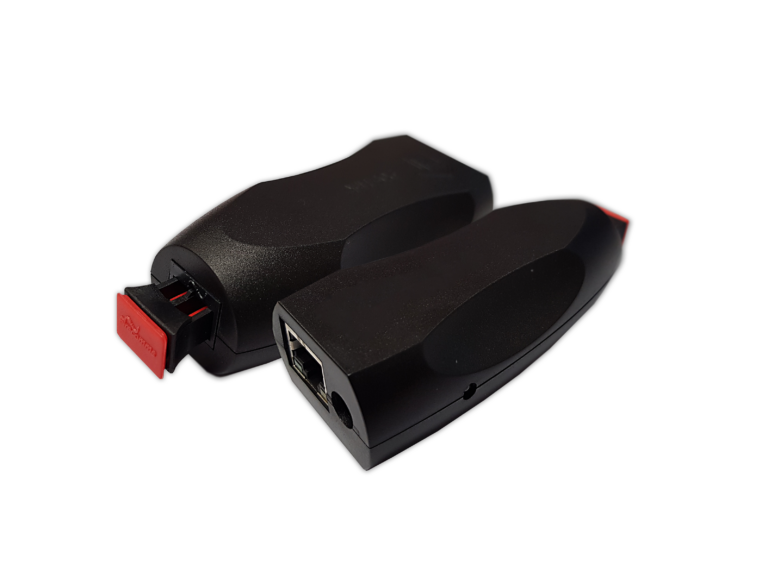
Technical overview
Within fibre optics and the parent category optical communication & transmission, media converters support applications where the system needs an external bridge between electrical and optical environments. They are commonly used in retrofit projects, mixed infrastructures, staged upgrades, and installations where copper still plays a role on one side of the system but fibre is the better choice on the other. This product group is especially relevant when customers want to extend link distance, improve isolation, or adapt existing equipment to a fibre-based path without replacing the whole host platform. Compared with optical transceivers, media converters are less about standard host-side module integration and more about infrastructure-level adaptation. Compared with digital optical components, they place less design responsibility on the customer at board level because the conversion function is packaged externally. The strength of this technology is its practicality. It helps customers move between infrastructure states while keeping the overall system workable and supportable.
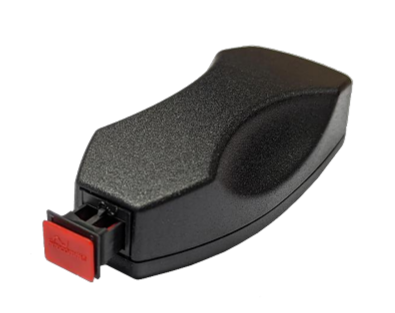
Key selection factors
- Current infrastructure: Media converters are often the right route when customers need to connect copper-based equipment into a fibre environment without immediate replacement of the host system.
- Migration strategy: They are especially useful where the optical transition will happen in stages rather than all at once. That can make a project more practical from both a technical and operational point of view.
- Distance and isolation needs: Customers often choose media converters when the move into fibre is driven by longer reach, improved electrical separation, or lower sensitivity to interference.
- Installation practicality: A common pitfall is to evaluate only the media conversion function and not the realities of power, mounting, enclosure space, and service access. Those factors often decide whether the installation is convenient or awkward.
- Architecture fit: If the host platform already supports a native optical interface, Optical transceivers may be the cleaner route. Media converters are strongest where an external bridging function is genuinely needed.
- Supportability over time: The better solution is often the one that makes the migration path easier to maintain, not just the one that creates a working link on day one.
Integration notes
Media converters should be integrated with the full installation path in mind. Power input, thermal behaviour, physical mounting, cable management, service access, and the role of the converter within the wider network all influence how successful the deployment will be. One common pitfall is to specify the converter correctly at signal level but leave too little attention for where and how it will actually be installed. Compared with oOptical transceivers, mMedia converters are less tightly coupled to the host device and more focused on infrastructure adaptation. Compared with Passive optical components, their role is not optical-path management but electrical-to-optical bridging. Customers usually gain the most value when converter selection is aligned with both the current installation and the longer-term migration plan.
Why our portfolio is right for you
Media converter projects solutions are strongest best fitting when the immediate bridging need and the longer-term infrastructure direction are considered together rather than as separate decisions.
FAQs on media converters
Media converters FAQs
Media converters are devices used to bridge electrical and optical network segments within one transmission path. They are commonly chosen when customers need copper-based equipment and fibre infrastructure to work together without redesigning the whole system at once.
They are the right choice when an external bridge is genuinely needed between unlike media types. This is especially common in retrofit projects, staged fibre roll-outs, and mixed installations where existing electrical equipment still needs to be retained.
Optical transceivers are typically used when the host device itself is ready to accept a standard optical interface directly. Media converters are different because they provide the conversion externally, which makes them useful where the host platform does not natively support fibre.
Their main value is practicality. They help customers extend, adapt, or modernise network infrastructure without forcing a full replacement of installed equipment from the beginning.
- Support staged migration
- Connect unlike infrastructure types
- Add fibre where copper alone is limiting
No. They are often associated with retrofit work, but they can also be useful in new systems where the architecture still requires an external conversion step between different media environments.
Customers should look beyond the signal conversion itself. Power supply, physical mounting, enclosure conditions, cable management, and maintenance access all affect whether the converter works well in the real installation.
A common mistake is treating them as a purely functional bridge without considering where they sit in the wider network plan. In many projects, the better decision comes from asking whether the converter is a temporary migration step or a longer-term part of the architecture.
They are a separate branch because they solve a specific transition problem within optical communication & transmission. Their role is not native host-side optical interfacing, but practical media bridging between electrical and optical infrastructure.