Passive optical components
Managing the optical path without active conversion
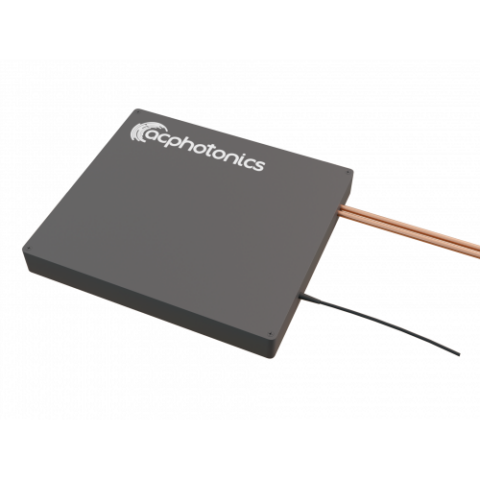
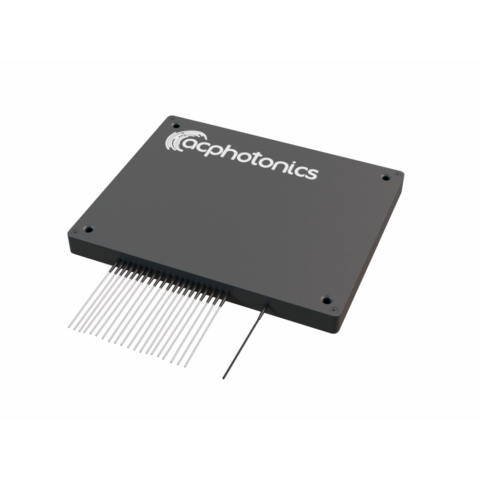
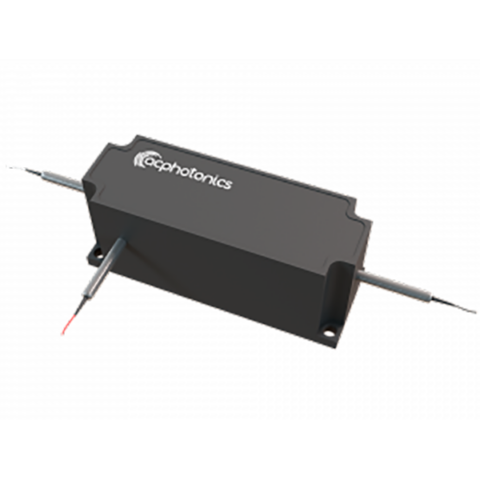
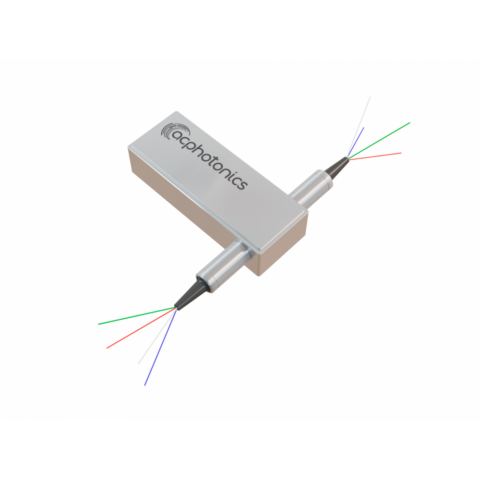
Passive optical components are the elements used to guide, split, combine, filter, and structure the optical path without actively converting or amplifying the signal. Within optical communication & transmission, they form a distinct product family because they do not act as end interfaces like optical transceivers, nor do they provide active signal support like optical amplification. Their role is different. They help shape how the optical channel is organised and how it behaves across the wider system. For customers, that becomes important as soon as an optical link moves beyond a simple point-to-point connection. In practice, passive components often become relevant when the design needs more control over channel routing, distribution, filtering, monitoring, or network structure. They are sometimes underestimated because they do not look like the most visible active part of the system, but in many architectures they are what make the optical path usable, scalable, and manageable in the first place.
Do you want to know more about this technology? Try out our new Chatbot!
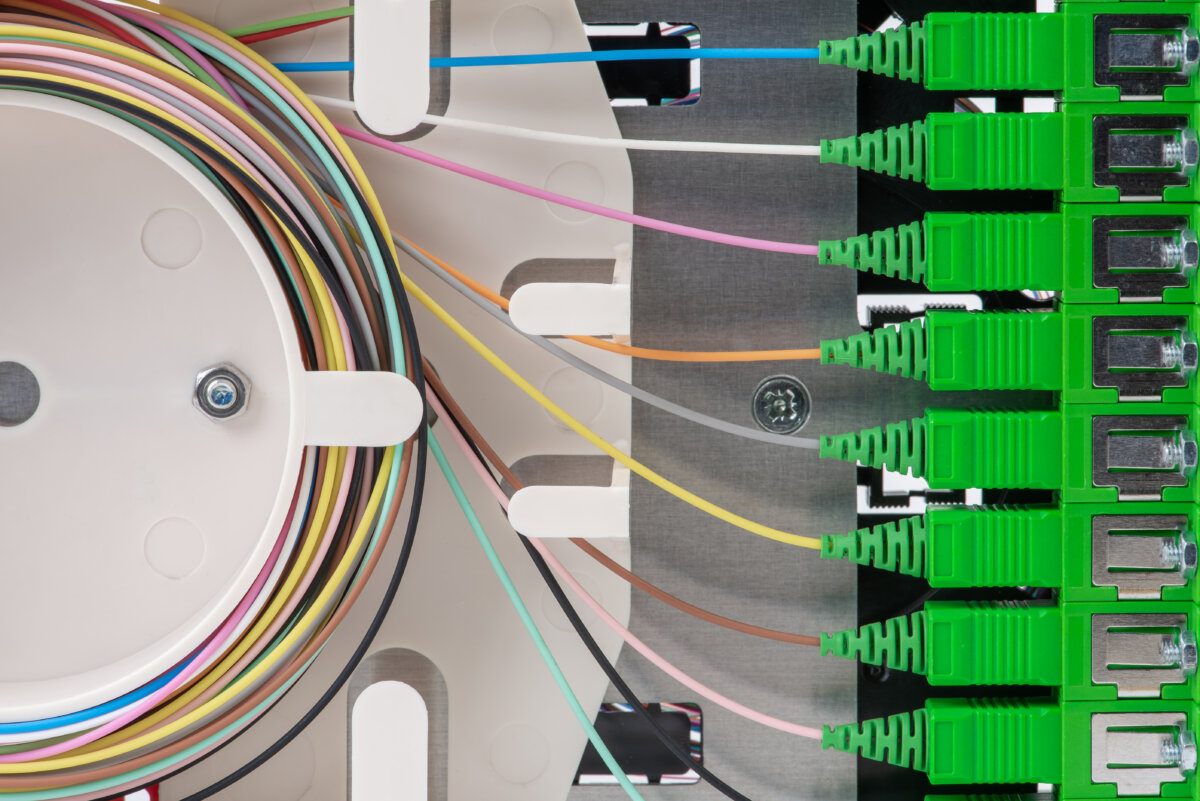
Technical overview
Within Fibre Optics and the category optical communication & transmission, passive optical components are used wherever the optical channel needs to be structured without introducing active electronic or optical signal conversion. They are often part of systems that need splitting, combining, filtering, monitoring, wavelength handling, or more deliberate channel organisation than a basic direct link allows. This makes them especially relevant in more complex optical architectures where the path itself becomes part of the design challenge. Compared with optical transceivers, they do not provide the host-side transmission interface. Compared with optical amplification, they do not restore margin through active support. Their role is to define and manage the passive optical path. Customers usually choose this technology when the system needs to do more than simply connect two ends. At that point, the passive design starts to influence link loss, structure, flexibility, and future scalability in a very direct way.
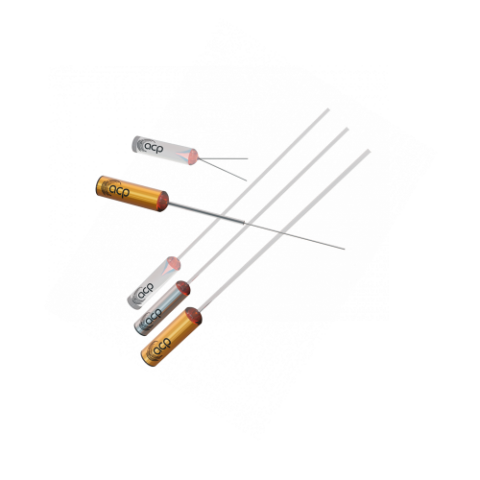
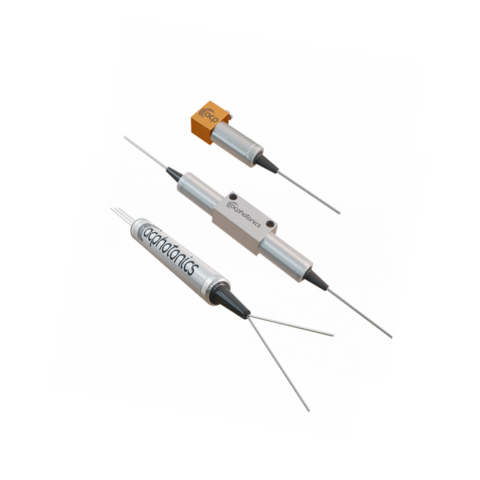
Key selection factors
- Channel structure: Passive optical components are relevant when the link needs to be split, combined, filtered, or otherwise managed as a structured optical path rather than as a single direct connection.
-
System architecture impact: These components shape how the optical path behaves across the wider design. Customers should choose them based on the function of the channel, not as an afterthought added once the rest of the system is already fixed.
-
Loss budget: Passive control always affects the optical budget. A common pitfall is to focus on channel function without paying enough attention to the margin impact across the full path.
-
Scalability and future change: Passive optical components are often where future flexibility begins. If the system is expected to grow, branch, or evolve, the passive path should be chosen with that in mind.
-
Interaction with active elements: In many systems, passive components sit alongside optical transceivers or optical amplification. The key is to understand how the passive structure changes what the active parts of the system need to do.
-
Installation and maintainability: Even passive elements need to fit the practical realities of the installation. Routing clarity, service access, and predictable channel organisation all influence long-term usability.
Integration notes
Passive optical components should be integrated as part of the overall channel architecture, not simply inserted once the rest of the design is complete. Their effect on insertion loss, route structure, and channel behaviour needs to be understood early, especially if the system may later require amplification or more complex end-interface decisions. One common pitfall is to treat passive management as optically simple straightforward when it can have a significant influence on total system margin. Compared with optical transceivers, this technology is less about host compatibility and more about the internal structure of the optical path. Compared with media converters, it is not solving an electrical-to-optical transition, but an optical-channel management problem. Customers usually benefit most when passive design, active link budget, and installation logic are reviewed together.
Why our portfolio is right for you
Passive optical design adds the most value when customers can match channel structure, loss management, and future scalability to the real needs of the application.
FAQs on passive optical components
Passive optical components FAQs
Passive optical components are optical elements that guide, split, combine, filter, or organise the optical path without actively transmitting, converting, or amplifying the signal. They are used when the optical channel needs structure and control beyond a simple point-to-point link.
They become important as soon as the system needs the optical path to do more than connect one source to one destination. That often includes channel distribution, filtering, monitoring, routing, or preparing the architecture for future scaling.
Optical transceivers provide the active interface between host equipment and the fibre link. Passive optical components do something different: they shape and manage the optical path itself without acting as the main host-facing transmission interface.
Passive optical components and optical amplification often work in the same wider system, but they solve different problems. Passive components create structure and can introduce controlled loss, while amplification is used when the overall optical margin needs support.
A common mistake is to choose the passive function correctly but underestimate its effect on the optical budget. In many projects, the passive path works as intended functionally but creates more margin pressure than expected.
- Review channel loss early
- Check interaction with active components
- Plan for future structure changes where relevant
No. They can also be important in smaller systems where the optical path still needs to be controlled, distributed, or managed in a more deliberate way. The deciding factor is the channel function, not the size of the installation alone.
Yes. In practical systems, passive optical components often sit between or alongside other parts of the transmission architecture. Their role is to manage the optical path within the broader link design.
They are a separate branch because they represent a distinct engineering direction within optical communication & transmission. Instead of focusing on end interfaces or active support, they focus on how the optical path itself is structured and controlled.