Digital optical components
Optical interfaces for embedded digital signal paths
Digital optical components are used when defined digital signals need to be transmitted optically as part of a wider hardware design. Within Optical communication & transmission, this branch [HP3.1]sits between fully standardised module-based connectivity and more application-specific optical integration. Customers usually arrive here when a conventional pluggable approach is too restrictive, but the design still needs a reliable digital optical path with predictable behaviour.
In practice, this often means tighter attention to host electronics, signal integrity, PCB integration, power stability, and thermal conditions. Unlike Analogue RF over fibre components, the focus is not on preserving analogue behaviour. Unlike Optical transceivers, the value here often lies in greater design flexibility at board or subsystem level. That makes digital optical components especially relevant in embedded systems, custom communication hardware, instrumentation, and space-constrained designs.
Do you want to know more about this technology? Try out our new Chatbot!

Technical overview
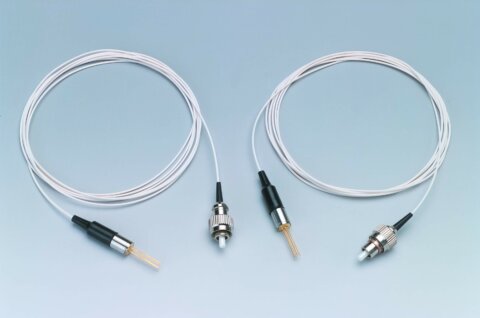
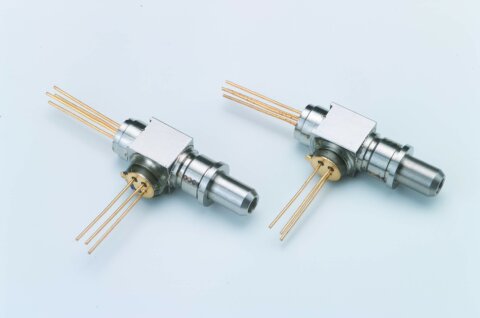
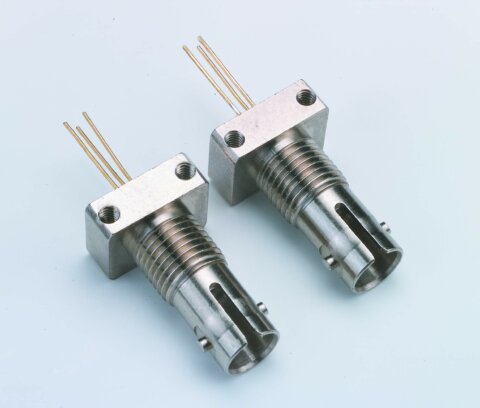
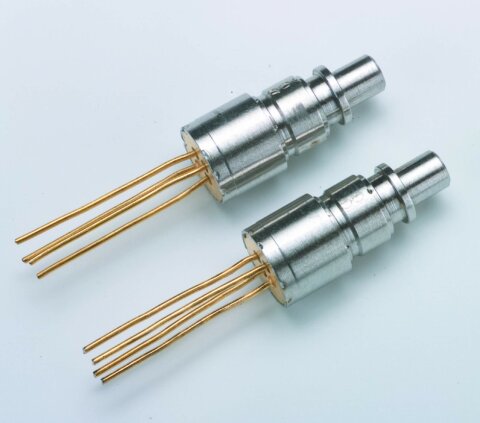
Within Fibre Optics and the parent category optical communication & transmission, digital optical components support digital communication paths where the optical interface is more closely tied to the hardware architecture itself. They can be used for transmitting, receiving, or conditioning defined digital signals in systems that do not rely solely on standard pluggable transceiver formats. This gives customers more freedom, but it also creates more design responsibility. Electrical integration, layout discipline, timing behaviour, and optical performance all need to be considered together. Compared with optical transceivers, this branch route is often chosen when the design needs a more tailored integration model.
Compared with analogue RF over fibre components, the priorities are much more about digital integrity, interoperability, and stable system behaviour under real operating conditions. The result is a solution path that can be highly effective, but only when the optical and electrical design are treated as one combined task.
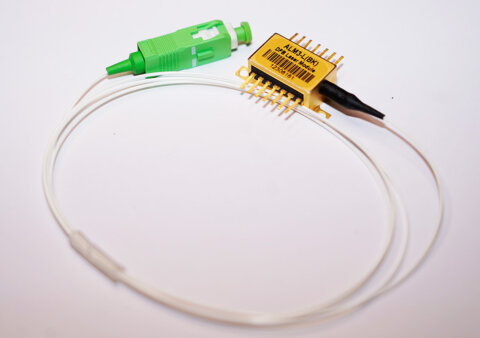
Key selection factors
- Integration depth: Digital optical components are often the right route when the optical function needs to be built more directly into the hardware design rather than added through a standard module interface.
- Host-side electrical design: Signal integrity, layout quality, power stability, and timing all influence the optical result. A common pitfall is to treat the optical path as separate from the rest of the digital electronics.
- Protocol and data handling: The component choice has to fit the signal model, data path, and interoperability expectations of the wider system. That usually needs to be checked early, not after hardware layout is fixed.
- Thermal behaviour: In compact systems, local heating and channel density can affect link consistency more than expected. This becomes more important when several optical channels sit close together.
- Manufacturing consistency: If the design is moving towards repeat production, customers should consider test access, placement tolerances, and validation strategy at the same time as component selection.
- System flexibility versus simplicity: This branch route can offer more architectural freedom than standard modules, but it also asks more of the hardware design. The better option is the one that fits the product strategy, not simply the one with the most technical control.
Integration notes
Digital optical components should be integrated into the wider electronics architecture from the beginning. PCB layout, power distribution, EMC behaviour, mechanical alignment, and production test planning all have a direct effect on how stable the final link will be. One common pitfall is to validate basic signal transmission early on and then discover later that the design margin under temperature, supply variation, or manufacturing tolerance is too narrow. Compared with Optical transceivers, this branch design approach often gives the customer more control, but it also requires more careful validation on the host side. Compared with Analogue RF over fibre components, the system concerns are different, because the emphasis is on predictable digital behaviour rather than analogue chain quality. A robust design process usually treats optical, electrical, and manufacturing considerations as one package.
Why our portfolio is right for you
Digital optical component selection creates the most value when customers can align optical performance, host integration, and manufacturing practicality before the design path is locked in.
FAQs on digital optical components
Digital optical components FAQs
Digital optical components are optical elements used to transmit or receive defined digital signals within a wider hardware design. They are often selected when customers want a digital optical path that integrates more directly into the product than a standard pluggable module would allow.
Optical transceivers usually offer a more standardised, self-contained, and pluggable interface. Digital optical components are more closely tied to the host design and are often chosen when the customer needs greater control over the optical interface and the surrounding electronics.
They are often the right choice in embedded systems, custom communications hardware, instrumentation, and compact devices where the optical path needs to be more tightly integrated into the overall design. In these cases, architectural flexibility can be more valuable than a standard module format.
- Closer hardware integration
- More design flexibility
- Better fit for custom system architectures
The main challenges are usually electrical rather than purely optical. Signal integrity, timing, layout quality, power stability, and thermal conditions all influence how reliable the finished optical link will be in daily use.
They can be, provided the design has been developed with manufacturability and test strategy in mind. Customers usually get the best result when production tolerances, inspection points, and validation methods are considered early.
Digital optical components are used for defined digital communication paths. Analogue RF over fibre components are a separate technology because they are intended to preserve analogue RF behaviour through an optical transport system.
A common mistake is focusing on the optical function alone and underestimating the effect of the host hardware. In many projects, the surrounding electronics determine whether the optical link is robust or fragile.
They are a distinct category because they solve a specific integration problem within Optical communication & transmission. They sit between standardised pluggable connectivity and more specialised optical system designs, giving customers a different balance of flexibility and design responsibility.