Fibre optic interconnect solutions
Physical fibre interfaces built around real installation needs
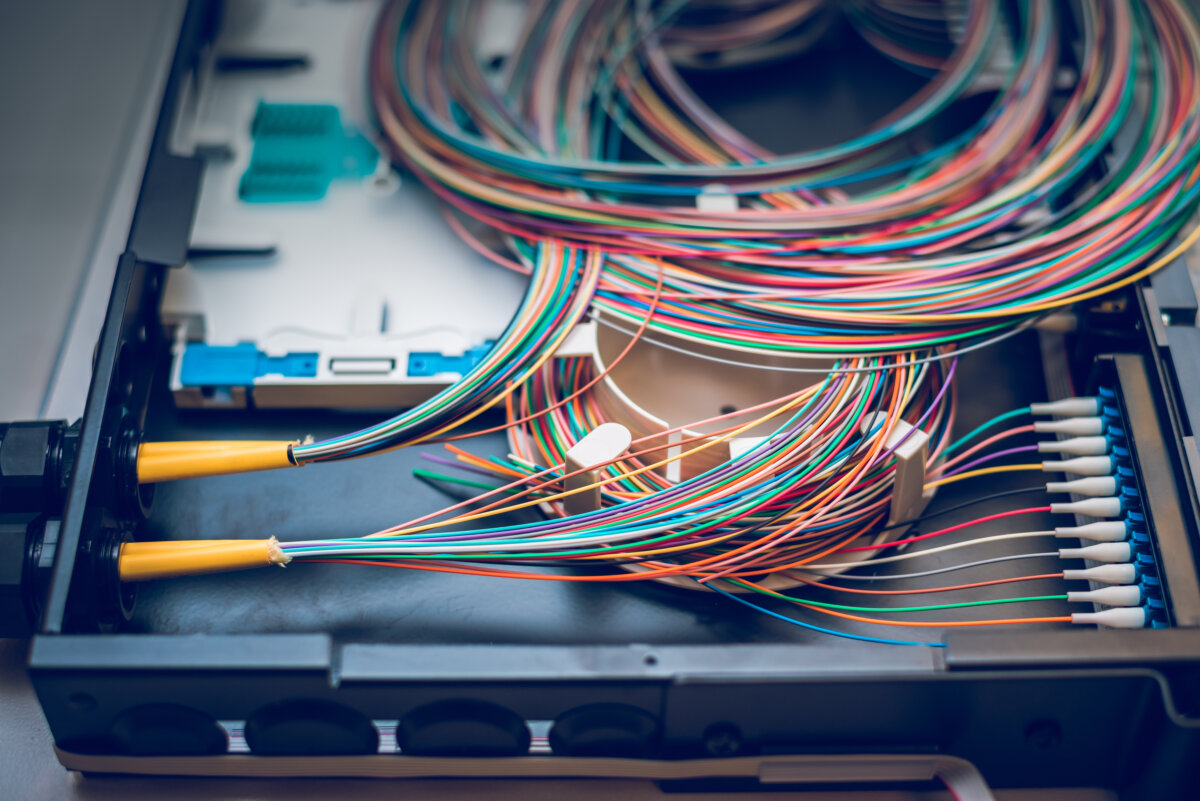
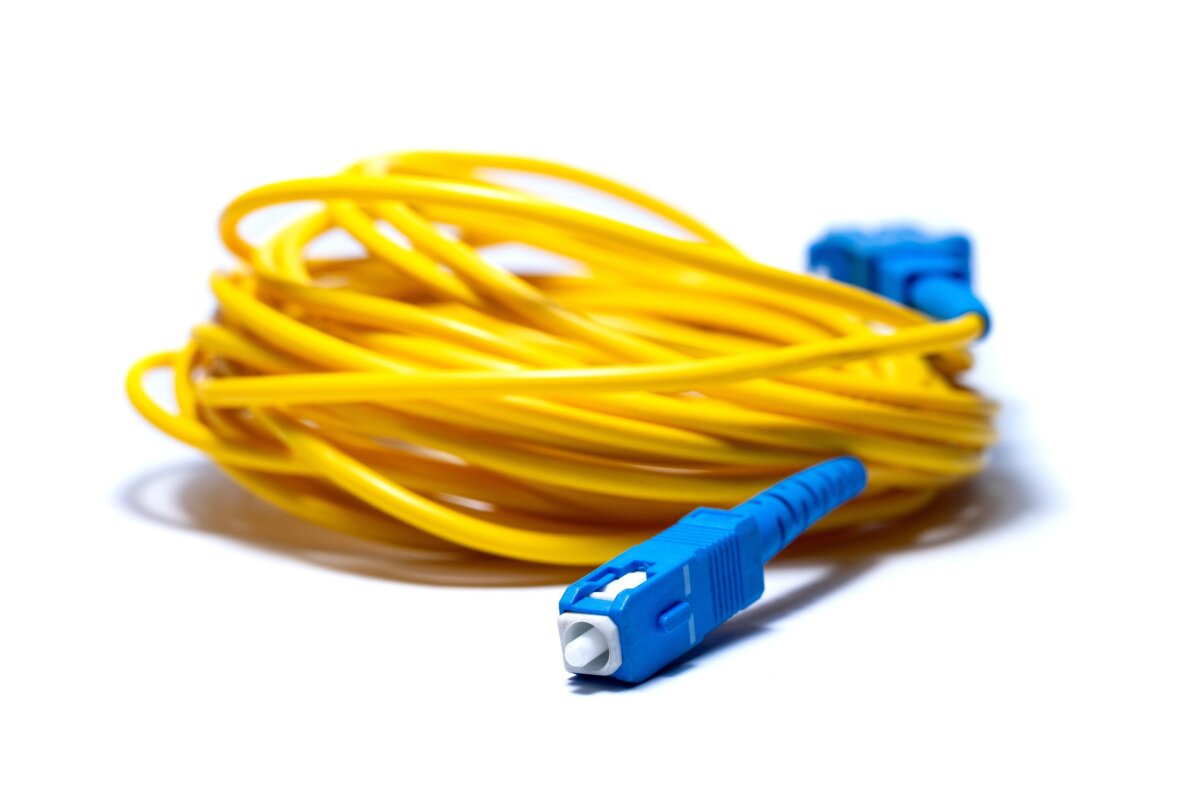
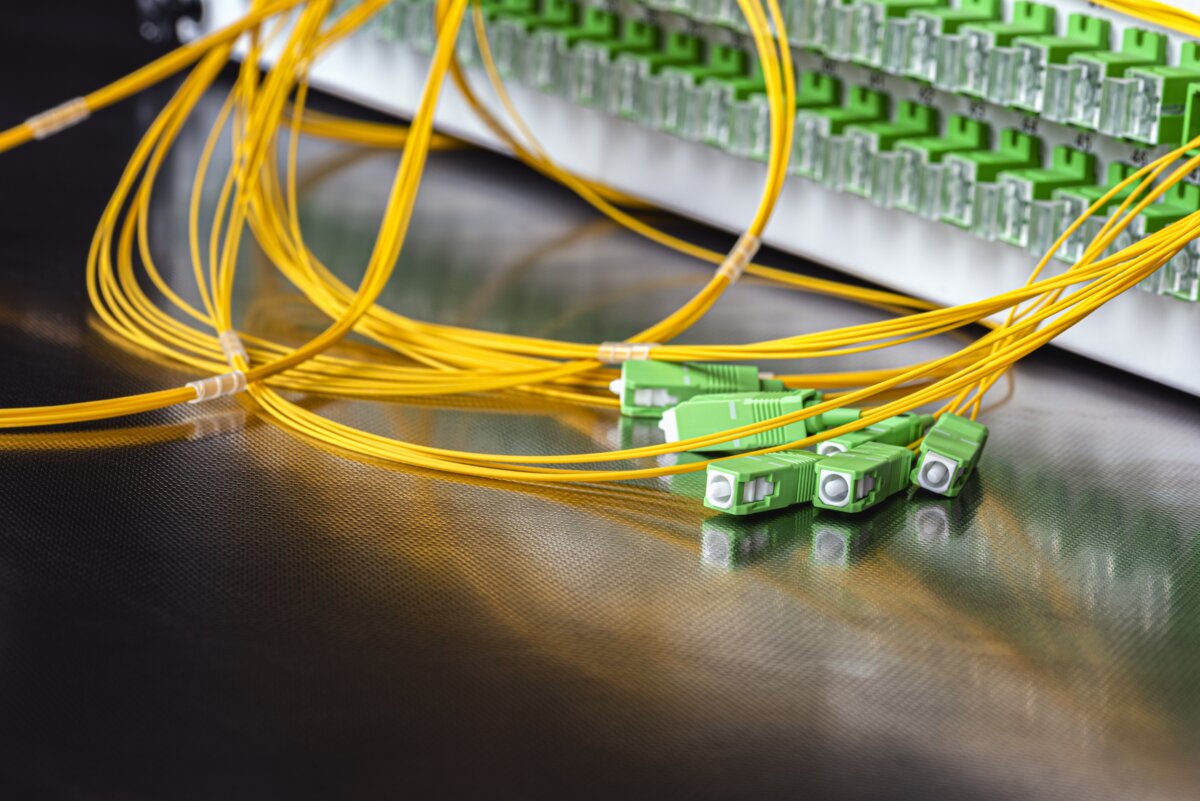
Fibre optic interconnect solutions cover the physical side of getting an optical system connected, routed, protected, and kept maintainable over time. That sounds simple on the surface, but in most projects this is where many practical decisions are won or lost. Customers are not only choosing a connector or a cable. They are deciding how the optical link will behave during installation, how robust it will be in service, how easy it will be to maintain, and how well it fits the actual environment. That is why this category splits naturally into different technical directions. Connectors, termini & adapters define the mating interface, cables & cable assemblies shape routing and handling, patch panels, racks & accessories support structured infrastructure, ruggedised harsh environment interconnects address tougher field conditions, and cable assembly services support more tailored build requirements. The real value lies in choosing the right interconnect approach for the application rather than forcing one format across every environment.
Do you want to know more about this technology? Try out our new Chatbot!

Technical overview
Within Fibre Optics, fibre optic interconnect solutions form the physical foundation around which optical transmission systems are built. Some projects are mainly about interface reliability at the equipment edge, which puts the focus on connectors, termini & adapters. Others are driven by routing, flexibility, and installation practice, where cables & cable assemblies take centre stage. As soon as density, organisation, accessibility, and change control become more important, patch panels, racks & accessories become a separate engineering path in their own right. There are also applications where the environment itself changes the whole interconnect logic. Ruggedised harsh environment interconnects are relevant where vibration, contamination, moisture, or rough handling make standard indoor approaches less suitable. Cable assembly services add another layer for customers who need repeatable, application-specific assemblies rather than trying to adapt standard parts to a non-standard requirement.
Discover our range of technologies
Key selection factors
-
Interface strategy: The connector side should match both the equipment interface and the service model. A technically correct mating interface is only part of the answer if cleaning, access, and repeated handling are likely in the field.
-
Routing and handling: Cables & cable assemblies should be chosen around real mechanical conditions, not ideal cable paths. Bend radius, pull load, strain relief, and available installation space all have a direct effect on long-term reliability.
-
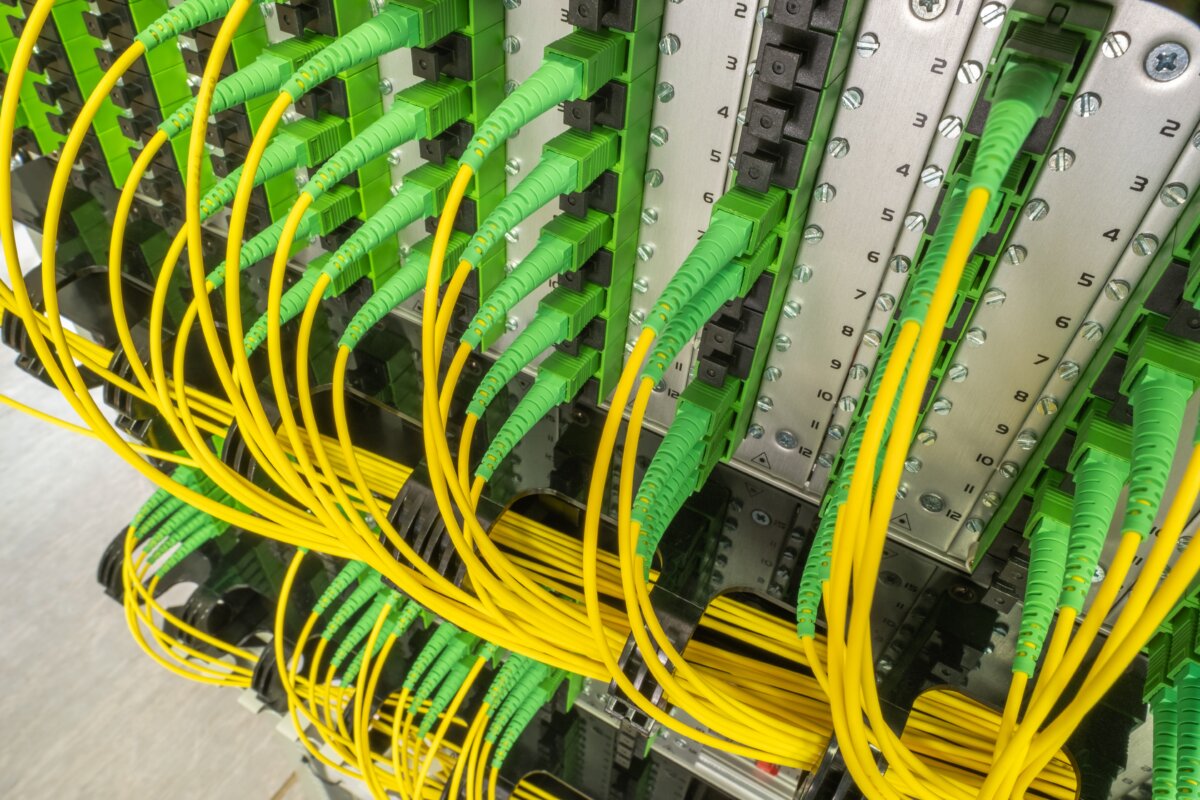
Infrastructure complexity: Once the installation grows in density or needs clearer organisation, Patch panels, racks & accessories often become the better route than direct point-to-point cabling. This is usually where maintainability starts to matter more than simple parts count.
-
Environmental exposure: Standard indoor interconnects are not the right answer everywhere. If the application involves shock, moisture, dust, field handling, or repeated mating in demanding conditions, Ruggedised harsh environment interconnects are often the more suitable path.
-
Customisation level: A common pitfall is trying to build around stock parts when the application really needs tighter control over length, breakout, labelling, or test status. That is often the point where Cable assembly services begin to add real value.
-
Lifecycle support: The best interconnect design is usually the one that still works well when something needs to be changed, cleaned, inspected, or replaced. That matters just as much as first-time installation.
Integration notes
Interconnect decisions affect optical performance, mechanical reliability, and serviceability at the same time. Routing space, connector access, bend protection, strain relief, enclosure entry, and labelling all need to be considered early, before the installation path is fixed. One common pitfall is to choose the right optical interface on paper but leave too little room for realistic handling during build, inspection, or maintenance. Integration priorities also change across the child [HP14.1]topics: Connectors, termini & adapters are often about interface precision and cleaning discipline, while cables & cable assemblies shape the mechanical route through the system. Patch panels, racks & accessories need more planning around access and organisation, whereas ruggedised harsh environment interconnects shift the focus towards sealing, retention, and mechanical protection. Where repeatability and documentation matter, cable assembly services can simplify both validation and long-term support.
Why our portfolio is right for you
Interconnect support is most useful when interface choice, cable design, infrastructure layout, and assembly requirements are considered together as part of one installation strategy.