Fibre Optics Ruggedised Harsh Environment Interconnects
Reliable fibre optic connectivity for demanding industrial and mission-critical environments.
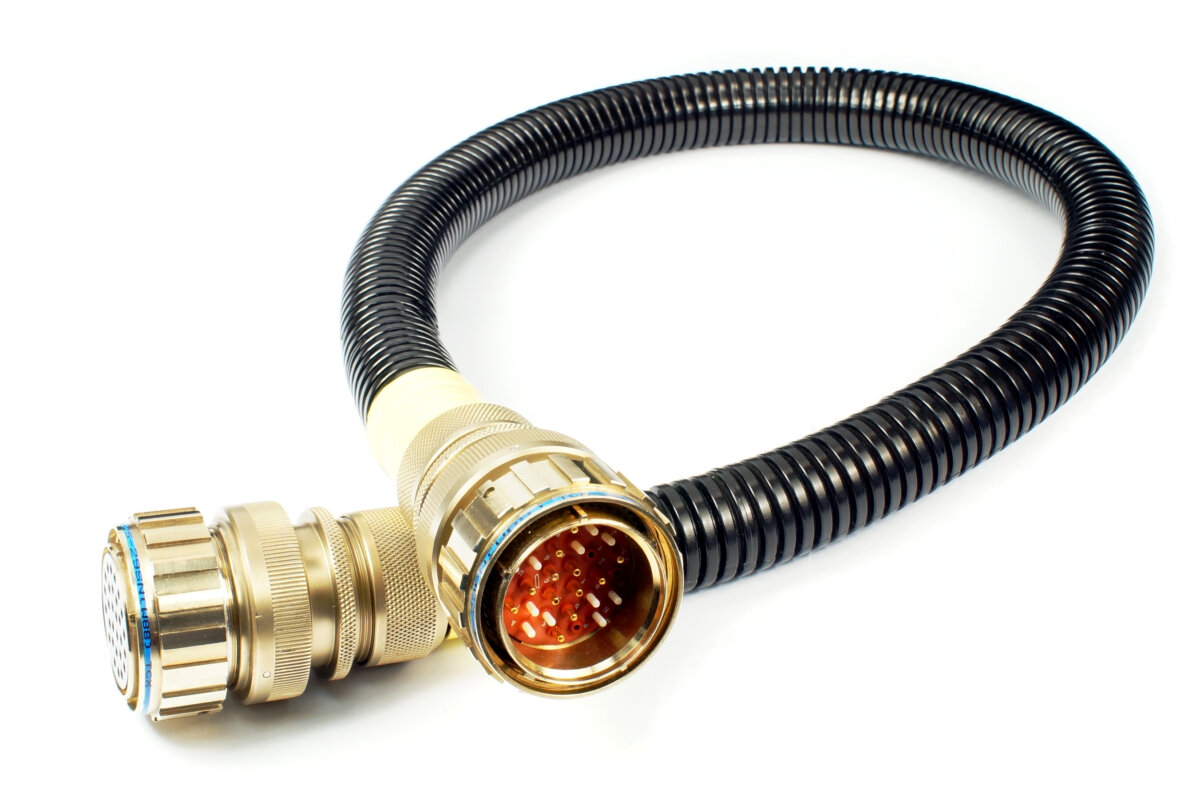
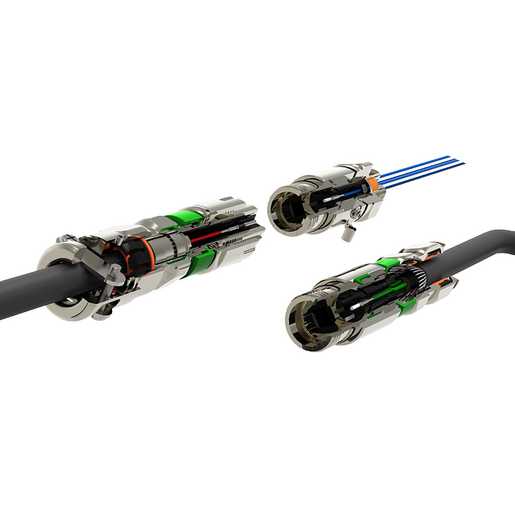
Fibre optics ruggedised harsh environment interconnects are designed to maintain high-performance optical connections where standard fibre optic connectors may be exposed to vibration, contamination, mechanical stress or extreme environmental conditions. Selecting the right interconnect solution influences both network reliability and long-term maintenance requirements, particularly where system downtime is difficult or costly. In practice, this usually comes down to balancing environmental protection with installation complexity, optical performance and lifecycle considerations. Engineers must also consider mechanical compatibility, ingress protection, cable management and the operating conditions the interconnect will experience throughout its service life.
Do you want to know more about this technology? Try out our new Chatbot!
Technical overview
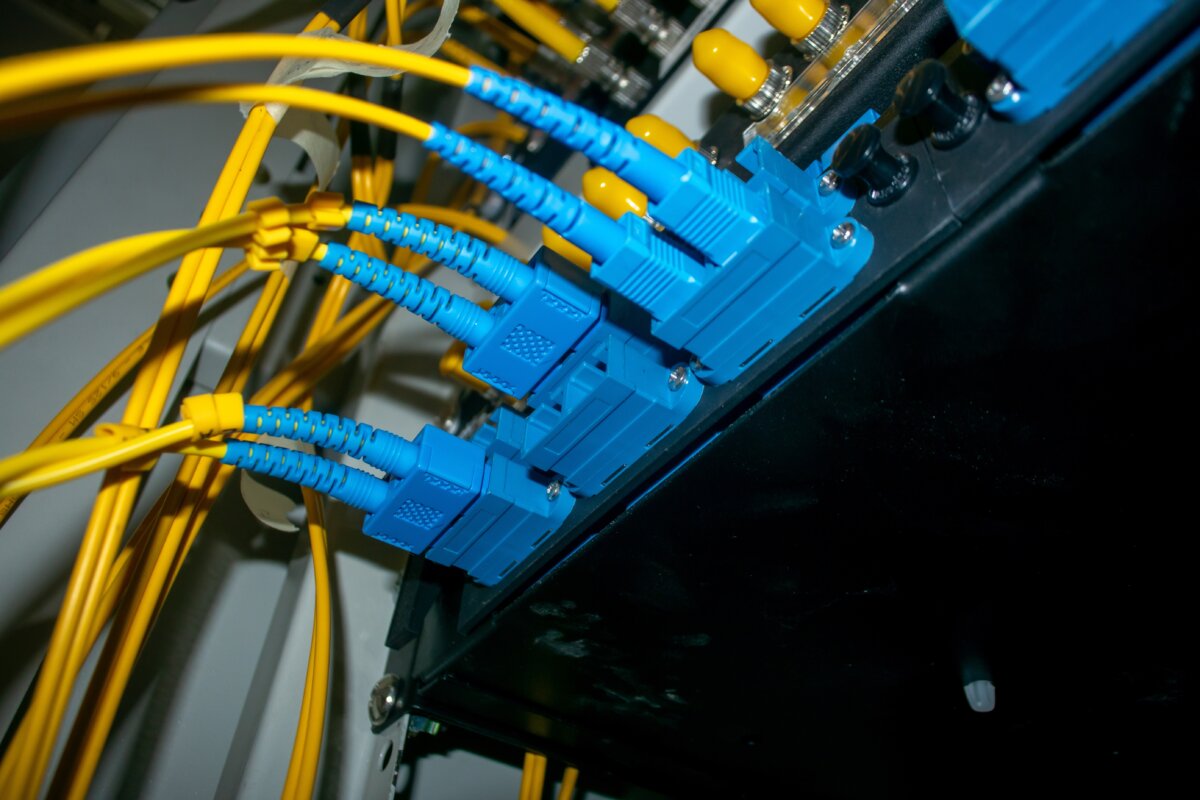
Ruggedised fibre optic interconnects combine optical transmission performance with mechanical protection to support reliable communications in demanding operating environments. A complete interconnect system typically includes connectors, cable assemblies, adapters, protective housings and sealing mechanisms that work together to maintain optical alignment while protecting fibres from moisture, dust, vibration and mechanical damage. Integration often requires consideration of connector standards, fibre type, installation methods and network architecture, particularly where field deployment or repeated mating cycles are expected. Typical application areas include industrial automation, defence, transportation, offshore energy, mining, broadcast, telecommunications infrastructure and outdoor networking, where environmental resilience is often as important as optical performance itself.
Key selection factors
- Environmental sealing – Assess exposure to dust, moisture, chemicals and outdoor conditions to determine the level of environmental protection required for reliable long-term operation.
- Mechanical durability – Consider vibration, shock, cable strain and repeated connection cycles. A common trade-off is selecting additional mechanical protection without creating unnecessary installation complexity.
- Optical performance – Verify compatibility with the required fibre type, insertion loss requirements, return loss expectations and transmission distance for the application.
- Connector compatibility – Ensure the selected ruggedised connector integrates with existing network infrastructure, adapters and installation practices to minimise redesign effort.
- Installation and maintenance – Field termination, cleaning procedures and accessibility all influence long-term reliability. A common pitfall is overlooking maintenance access when equipment is installed in confined or remote locations.
- Lifecycle and standards – Consider expected product availability, industry standards, qualification requirements and long-term support when designing systems intended for extended operational lifecycles.
Integration notes
Successful integration extends beyond selecting a suitable connector. EMC considerations may influence cable routing alongside electrical systems, while mechanical packaging, bend radius management and strain relief all contribute to maintaining optical performance over time. Environmental testing, system validation and inspection procedures should reflect the conditions the equipment will encounter throughout deployment, particularly where certification or qualification programmes apply. Watch out for contamination during installation, as even small amounts of dirt on fibre end faces can significantly affect optical performance. Designing with future maintenance and component replacement in mind can simplify servicing throughout the system lifecycle.
Why our portfolio is right for you
Our engineering teams support the selection and integration of fibre optic interconnect technologies for demanding applications, helping align component choices with environmental, mechanical and system-level design requirements.
FAQs on Fibre Optics Ruggedised Harsh Environment Interconnects
Fibre optics ruggedised harsh environment interconnects are fibre optic connection systems designed for applications where connectors may be exposed to harsh operating conditions. They provide mechanical protection and environmental sealing while maintaining reliable optical signal transmission across demanding industrial and outdoor environments.
These interconnects are typically selected whenever standard commercial connectors may not provide sufficient environmental protection or mechanical robustness. Common examples include mobile platforms, outdoor infrastructure, industrial machinery and defence systems where reliability under adverse conditions is essential.
Environmental conditions often determine the connector design and protective features required.
- Exposure to moisture, dust or chemicals
- Shock, vibration and mechanical loading
- Temperature variation and outdoor weather conditions
Matching the connector to the operating environment helps reduce maintenance and improve long-term reliability.
The primary difference lies in their mechanical construction and environmental protection. Ruggedised designs typically incorporate reinforced housings, sealing mechanisms and strain relief features that allow them to withstand harsher operating conditions while protecting the optical interface.
Many ruggedised interconnect systems support both single-mode and multimode fibre depending on the network requirements. Compatibility should always be confirmed alongside connector style, optical performance requirements and the intended transmission distance before specifying a solution.
Successful integration depends on both optical and mechanical design considerations.
- Cable routing and bend radius management
- Connector accessibility for installation and maintenance
- Compatibility with existing network architecture
Addressing these considerations early can reduce installation challenges and simplify future servicing.
Although ruggedised connectors provide additional protection, contamination during installation or maintenance can still reduce optical performance. Good cleaning procedures, inspection and correct handling remain important engineering practices throughout the system lifecycle.
Selection generally begins with understanding the operating environment, required optical performance and mechanical constraints of the complete system. Engineers should evaluate connector compatibility, environmental protection, maintenance requirements and lifecycle considerations together rather than treating them as independent decisions.