Fibre Optic Patch Panels, Racks & Accessories
Organised optical infrastructure for reliable network performance.
Fibre optic patch panels, racks and accessories provide the structured infrastructure that supports reliable optical network deployment, maintenance and expansion. They protect fibre terminations, simplify cable management and allow efficient routing between active equipment and permanent cabling. In practice, selecting the right infrastructure comes down to balancing fibre density, accessibility and environmental protection while allowing sufficient capacity for future network growth. Whether designing industrial communication systems, data centres or telecommunications networks, careful planning of fibre management improves reliability and reduces maintenance complexity.
Do you want to know more about this technology? Try out our new Chatbot!
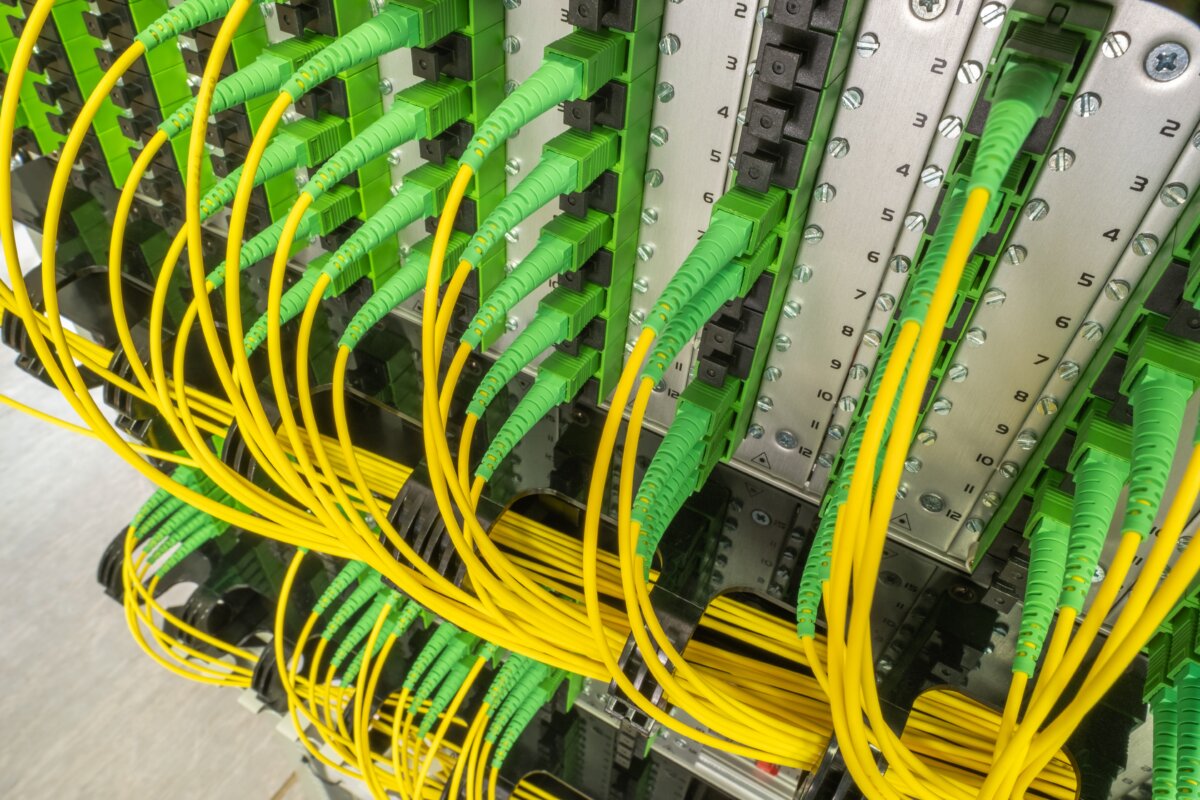
Technical overview
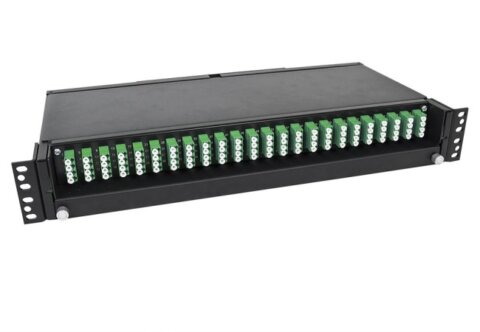
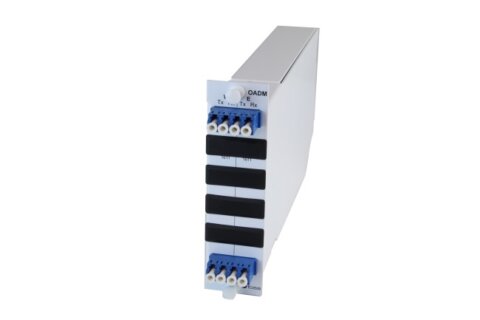
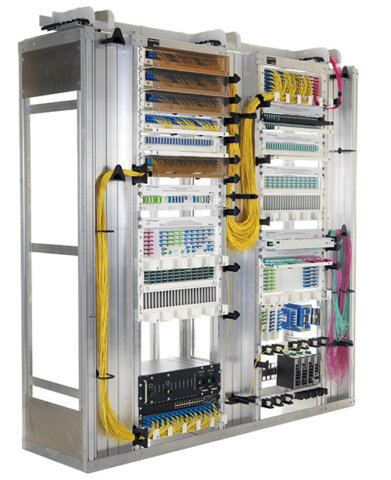
Patch panels and racks create a central termination and distribution point within fibre optic networks, enabling structured routing, protection and administration of optical connections. Configurations range from compact wall-mounted enclosures for space-constrained installations to high-density rack-mounted systems supporting hundreds of fibre connections. Accessories including splice trays, cable management guides, adapter plates, blanking panels and cable entry systems help maintain minimum bend radii while protecting delicate fibre terminations. The overall design must accommodate connector types such as LC, SC and MPO/MTP alongside future expansion requirements. Successful infrastructure design supports efficient installation, simplifies troubleshooting and helps maintain consistent optical performance throughout the network lifecycle.
Key selection factors
- Installation environment – Choose wall-mounted, floor-standing or rack-mounted systems according to available space, accessibility and protection requirements.
- Fibre capacity – Plan for both current and future fibre counts to avoid costly infrastructure upgrades as networks expand.
- Connector compatibility – Ensure adapter panels support the required connector formats and allow straightforward maintenance or migration.
- Cable management – A common trade-off is maximising fibre density without compromising bend radius control or technician access during servicing.
- Maintenance access – Sliding trays, hinged panels and modular designs simplify inspection, cleaning and future modifications while reducing disruption.
- Expansion capability – If network growth is anticipated, selecting modular accessories and scalable rack systems is often more practical than replacing fully populated installations later.
Integration notes
Successful integration depends on maintaining organised cable routing throughout the installation. Fibre management accessories should support correct bend radius, strain relief and clear cable identification to minimise installation errors. A common pitfall is overfilling cable pathways or patch panels, making maintenance difficult and increasing the risk of fibre damage during future upgrades. Mechanical protection, environmental sealing and adequate working space should all be considered during enclosure selection. Engineers should also ensure compatibility between patch panels, rack systems and existing network hardware to simplify future expansion and maintenance activities.
FAQs on Fibre Optic Patch Panels, Racks & Accessories
Fibre Optic Patch Panels, Racks & Accessories FAQs
A fibre optic patch panel provides a central location for terminating, organising and managing optical fibre connections. It improves accessibility for maintenance, protects fibre terminations and simplifies future network modifications without disturbing permanent cabling.
The choice depends on installation size, available space and future expansion requirements.
Wall-mounted systems suit smaller installations or remote equipment locations. Rack-mounted systems are preferred for larger networks and higher fibre densities. Future capacity should always be considered during initial design.
Proper cable management protects optical fibres from excessive bending, mechanical stress and accidental damage. It also makes installation, fault finding and future expansion considerably easier while helping maintain consistent optical performance.
Typical accessories include splice trays, cable organisers, adapter plates, blanking panels and labelling systems. These components help protect fibre connections, improve cable routing and simplify maintenance activities.
The exact amount depends on expected network growth, but leaving additional space for future terminations and cable routing is generally recommended. Designing only for immediate requirements can make later upgrades more complex and expensive.
Yes. Many patch panels accept interchangeable adapter plates supporting multiple connector formats.
Common options include:
- LC
- SC
- MPO/MTP
This flexibility allows infrastructure to evolve as network requirements change.
Several issues can reduce long-term reliability or complicate maintenance.
Exceeding minimum bend radius Poor cable identification Overcrowded cable routing
Good planning and disciplined cable management help avoid these problems.
Structured fibre management reduces the risk of accidental cable damage, simplifies maintenance and makes network expansion more predictable. Well-designed patch panel infrastructure also improves documentation, accessibility and overall lifecycle management for complex fibre optic installations.