Fibre Optics Cable Assembly Services
Precision-built optical assemblies for reliable system integration.
Fibre optics cable assembly services provide engineered optical cable solutions tailored to the mechanical, environmental and performance requirements of a specific application. Selecting the right assembly influences installation efficiency, long-term reliability and optical performance throughout the system lifecycle. In practice, this usually comes down to matching fibre type, connector selection and environmental protection with the realities of the operating environment. Engineers also need to consider routing constraints, bend radius, mating cycles and future maintenance when specifying cable assemblies.
Do you want to know more about this technology? Try out our new Chatbot!
Technical overview
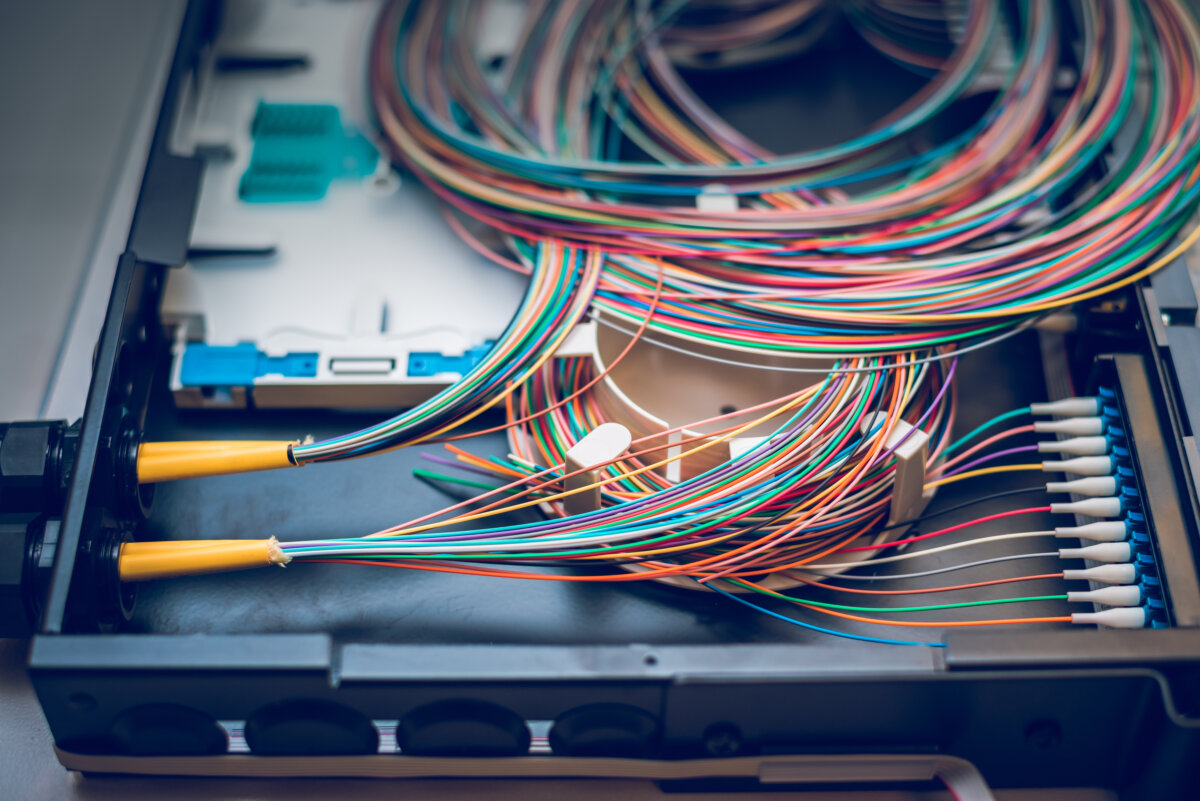
A fibre optic cable assembly combines optical fibre, connectors, protective components and cable construction into a complete interconnect solution designed for a defined application. Assembly requirements often extend beyond connector termination to include cable selection, strain relief, labelling, testing and packaging for deployment. The design process typically balances optical performance, mechanical robustness, manufacturability and installation requirements while ensuring compatibility with the wider network architecture. Fibre optics cable assembly services are widely used across industrial automation, telecommunications, defence, transportation, medical equipment, energy infrastructure and test systems where dependable optical connectivity is required.
Key selection factors
- Fibre and connector compatibility -: Select fibre type, connector format and polishing method that align with the network architecture and optical performance requirements.
- Environmental protection -: Consider temperature, moisture, vibration, chemicals and mechanical stress to determine the most appropriate cable construction and protective features.
- Mechanical design -: Routing space, bend radius, cable flexibility and strain relief all affect long-term reliability. A common trade-off is balancing robustness with ease of installation.
- Testing requirements -: Define appropriate inspection and optical testing to verify assembly quality and ensure consistent performance before deployment.
- Customisation and documentation -: Cable length, identification, breakout configuration and supporting documentation should simplify installation and future maintenance.
- Lifecycle considerations -: A common pitfall is specifying an assembly that meets immediate design requirements but overlooks future servicing, replacement or product lifecycle support.
Integration notes
Successful integration depends on both the optical assembly and the surrounding system design. Mechanical packaging, cable routing, connector accessibility and protection from excessive bend stress all influence long-term performance. Although fibre optics are immune to electromagnetic interference, EMC considerations may still affect overall cable routing where optical and electrical systems are installed together. Watch out for excessive tensile loading or poor handling during installation, as these can reduce long-term reliability even when the assembly itself has been manufactured correctly. Qualification testing, inspection procedures and lifecycle planning should reflect the operational environment and maintenance strategy.
FAQs on Fibre Optics Cable Assembly Services
Fibre optics cable assembly services involve designing and manufacturing complete fibre optic cable assemblies to meet defined mechanical, optical and environmental requirements. They can range from standard connector terminations to fully customised assemblies for specialised industrial applications.
They are typically appropriate when standard off-the-shelf cables do not fully meet application requirements. Custom assemblies can simplify installation, improve system integration and reduce the need for modifications during deployment.
Several engineering considerations shape the final assembly specification.
- Fibre type and connector compatibility
- Environmental and mechanical operating conditions
- Installation and maintenance requirements
Each factor should be considered as part of the complete system rather than in isolation.
Testing normally verifies both optical and mechanical integrity before the assembly is deployed. Typical verification may include connector inspection, insertion loss measurements and continuity testing, depending on project requirements and applicable quality processes.
Yes, assemblies can be configured using cable constructions, protective boots and connector systems intended for demanding operating conditions. The level of protection should always reflect the expected environmental exposure and application-specific requirements.
Integration often depends on careful planning during the design stage.
- Cable routing and bend radius management
- Connector access for installation and servicing
- Compatibility with existing equipment and interfaces
Addressing these issues early can reduce installation time and minimise future maintenance challenges.
Well-designed cable assemblies reduce the risk of installation errors and help maintain consistent optical performance throughout the system lifecycle. Reliable termination, appropriate strain relief and correct cable selection all contribute to dependable operation in service.
Selection should be based on technical capability, application understanding and the ability to support the complete assembly process from specification through validation. Engineers should also consider testing capability, documentation, lifecycle support and compatibility with the intended system architecture when evaluating fibre optics cable assembly services.