Cables & Cable Assemblies
Engineered interconnect solutions for reliable system integration.
Fibre optic cables and cable assemblies form the physical backbone of high-speed optical communication systems, providing reliable transmission of data across industrial, telecommunications, medical, transportation and defence applications. Selecting the right cable assembly involves more than choosing the correct connector; optical performance, environmental protection, installation constraints and long-term reliability all influence system performance. In practice, the best solution depends on balancing mechanical robustness with optical efficiency while ensuring compatibility with the surrounding network infrastructure and installation environment.
Do you want to know more about this technology? Try out our new Chatbot!
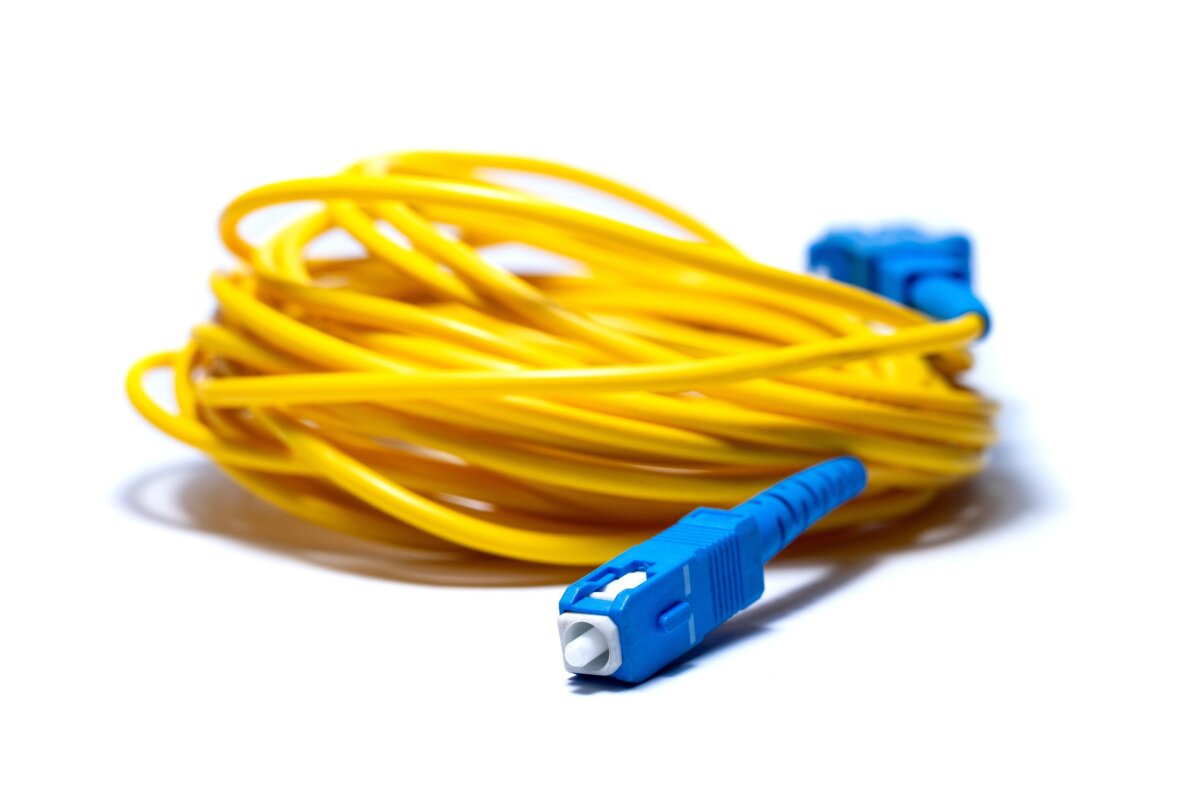
Technical overview
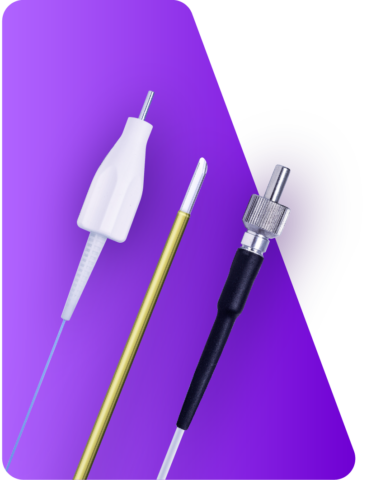
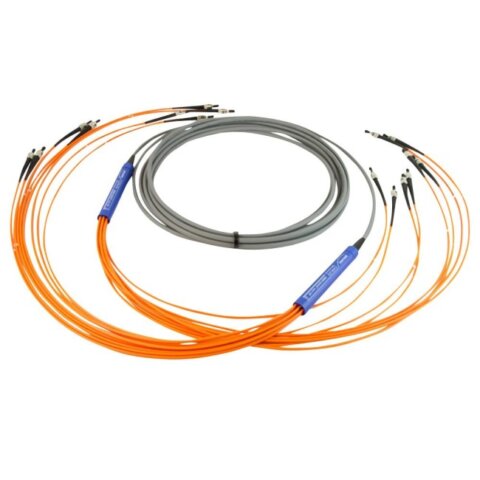
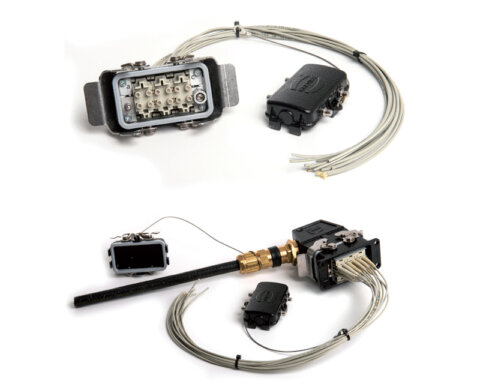
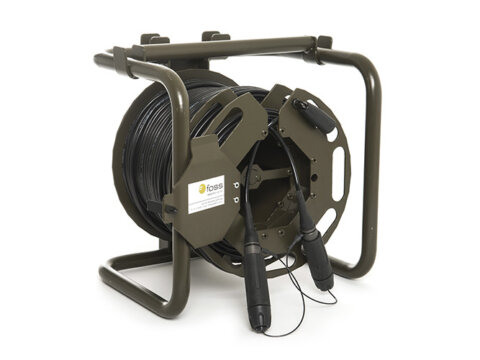
Within fibre optic communication systems, cables and cable assemblies provide the critical link between active optical devices, network equipment and field-installed infrastructure. Designs vary considerably depending on installation requirements, with indoor assemblies prioritising flexibility and handling, while ruggedised outdoor solutions focus on environmental sealing, mechanical protection and long-term durability. Connector selection, fibre type, cable construction and strain relief all influence insertion loss, return loss and overall system reliability. Duplex, simplex and multi-fibre assemblies each address different bandwidth and density requirements, while pre-terminated assemblies can simplify installation and reduce field termination risks. Whether supporting data centres, industrial automation, medical equipment or defence platforms, successful integration depends on selecting assemblies that match both optical performance requirements and the physical operating environment.
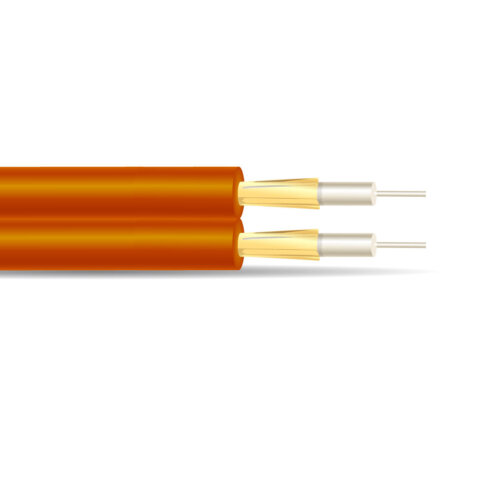
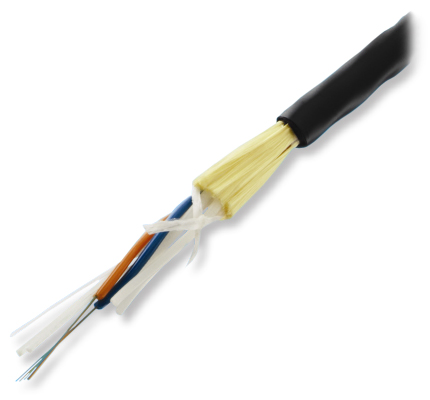
Key selection factors
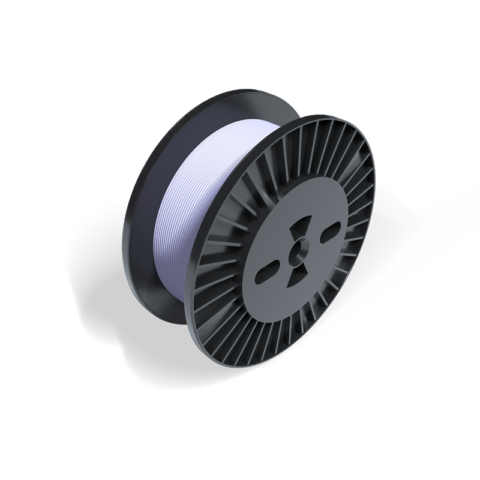
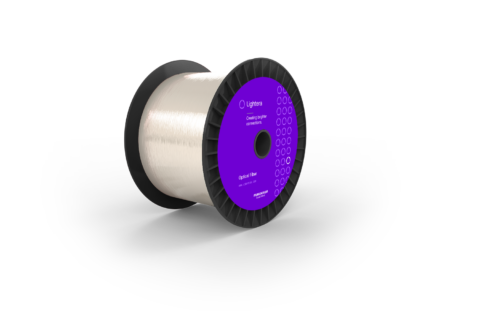
- Fibre type: Choose between singlemode and multimode fibre according to transmission distance, bandwidth requirements and system architecture.
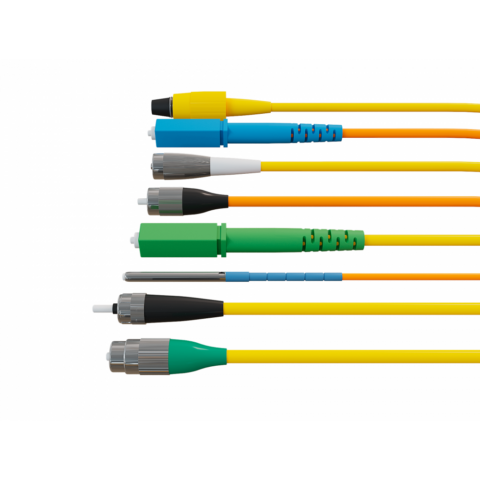
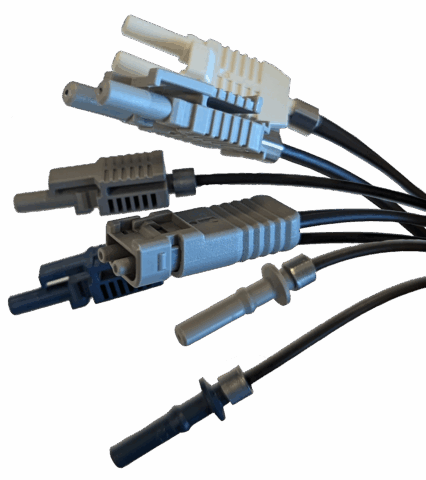
- Connector compatibility: LC, SC, ST, MPO/MTP and other connector types each suit different equipment interfaces, density requirements and installation practices.
- Environmental conditions: Consider temperature range, moisture, chemicals, UV exposure and ingress protection where assemblies will operate.
- Mechanical robustness: A common trade-off is flexibility versus durability. Ruggedised constructions improve protection but may require larger bend radii and additional installation space.
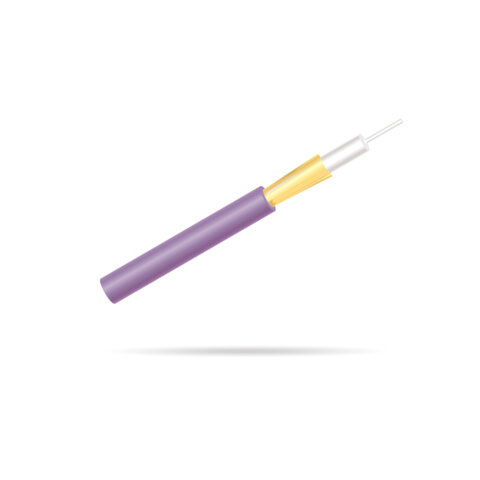
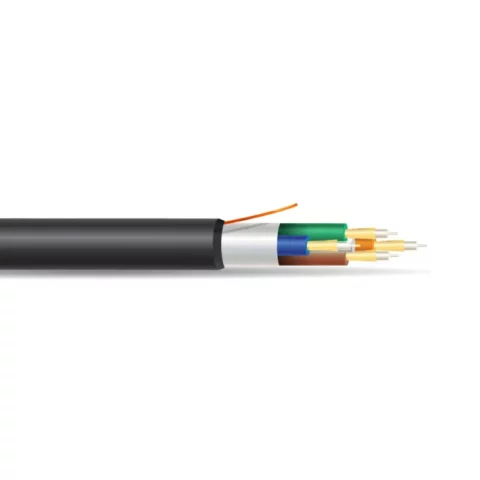
- Cable construction: Evaluate jacket materials, armour options, strain relief and bend performance to suit the application and routing requirements.
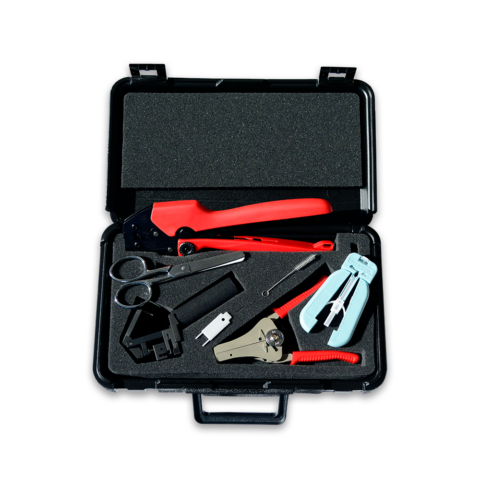
- Installation approach: Pre-terminated assemblies reduce installation time and improve consistency, while field-terminated solutions provide greater flexibility where cable lengths cannot be predetermined.
Integration notes
Successful fibre optic integration extends beyond connector selection. Cable routing, bend radius management and mechanical strain all influence long-term optical performance. EMC is typically less of a concern for optical fibres than copper cabling, but cable routing should still consider nearby power infrastructure and mechanical hazards. A common pitfall is exceeding the minimum bend radius during installation, which can increase attenuation and reduce reliability over time. Engineers should also consider cleaning procedures, inspection methods, connector protection and future maintenance access as part of the overall system design. Lifecycle considerations such as replacement, repairability and compatibility with future network upgrades are often easier to address during the initial design stage.
FAQs on Fibre Optic Cables & Cable Assemblies
Fibre Optic Cables & Cable Assemblies FAQs
A fibre optic cable refers to the optical cable itself, whereas a cable assembly includes the cable with factory-terminated connectors installed at one or both ends. Cable assemblies provide consistent optical performance and reduce installation time by eliminating field termination.
The choice depends primarily on transmission distance and bandwidth requirements.
Singlemode is typically selected for long-distance, high-bandwidth communication. Multimode is commonly used for shorter links within buildings and equipment. Existing infrastructure and transceiver compatibility should also be considered.
Connector selection depends on equipment interfaces, installation density and maintenance requirements. LC connectors are widely used where high port density is required, while SC connectors remain common in many industrial and telecommunications installations. MPO/MTP connectors are often chosen for high-density parallel fibre applications.
Insertion loss measures how much optical signal is lost through a connection, while return loss indicates the amount of reflected light returning towards the source. Both parameters influence network performance, particularly in high-speed or long-distance optical systems where signal integrity is critical.
Ruggedised assemblies are generally selected where cables are exposed to demanding environmental or mechanical conditions.
Typical examples include:
- Outdoor infrastructure
- Industrial automation systems
- Defence, transportation and mobile equipment
These designs often incorporate reinforced jackets, enhanced strain relief and environmental sealing.
Yes. Many assemblies can be specified with different fibre counts, connector combinations, cable lengths, jacket materials and protective features. Custom assemblies help optimise installation while reducing unnecessary cable management and improving overall system reliability.
Several issues can reduce optical performance or shorten service life.
- Exceeding the minimum bend radius
- Contaminated connector end faces
- Insufficient strain relief
Careful handling, inspection and cleaning during installation significantly improve long-term reliability.
Factory-terminated cable assemblies are manufactured and tested under controlled conditions, providing consistent connector quality and optical performance. This reduces installation variability, minimises field termination errors and helps improve overall network reliability throughout the product lifecycle.