Connectors, Termini & Adapters
Reliable optical interconnection for high-performance fibre optic systems.
Fibre optic connectors, termini and adapters provide the physical interface that enables low-loss optical signal transmission between cables, equipment and network infrastructure. Their selection has a direct impact on insertion loss, return loss, mechanical reliability and long-term system performance. In practice, choosing the right interconnection solution depends on factors such as fibre type, environmental conditions, mating frequency and installation constraints. Engineers must also consider connector geometry, alignment accuracy and compatibility with existing assemblies to ensure reliable optical performance throughout the system lifecycle.
Do you want to know more about this technology? Try out our new Chatbot!
Technical overview
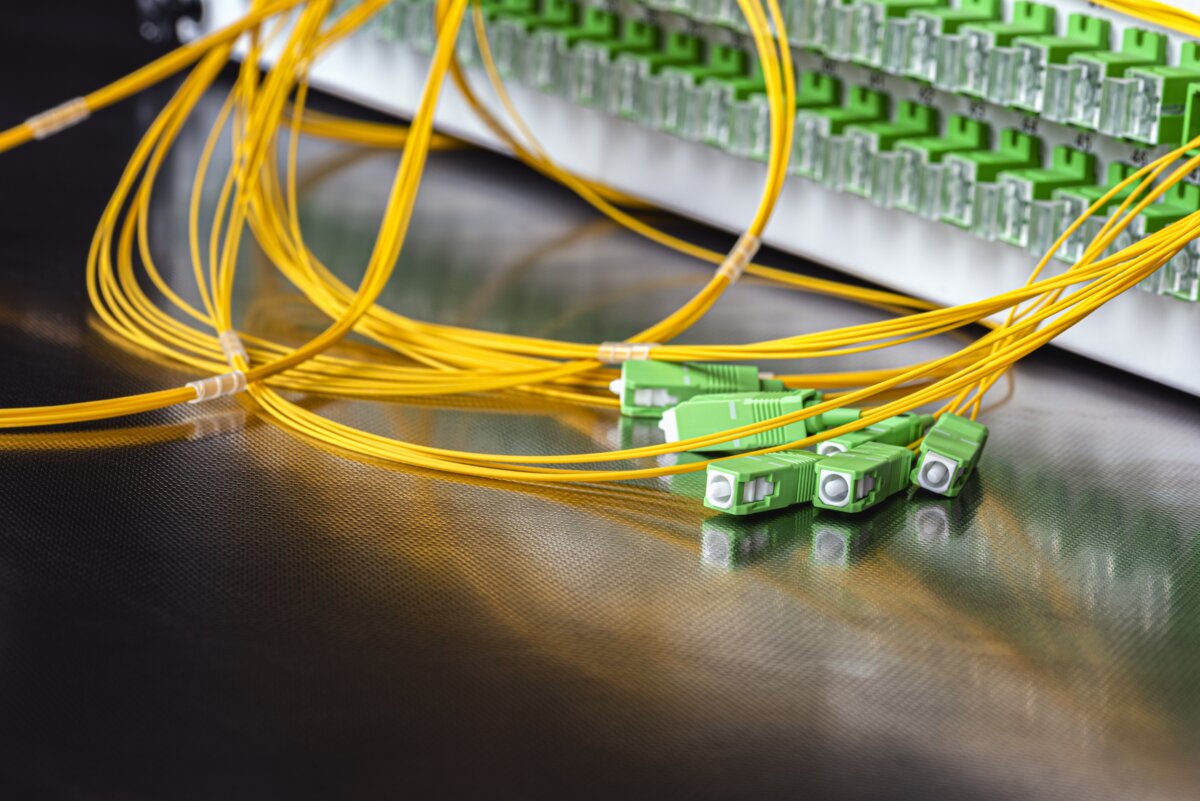
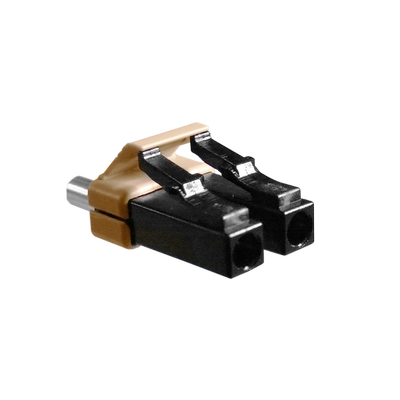
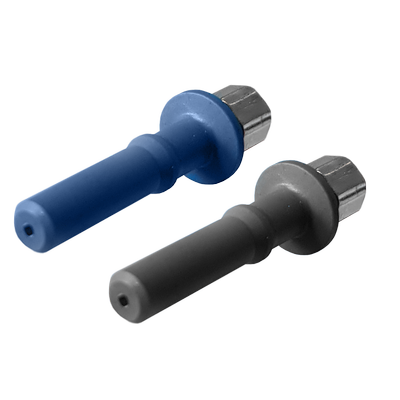
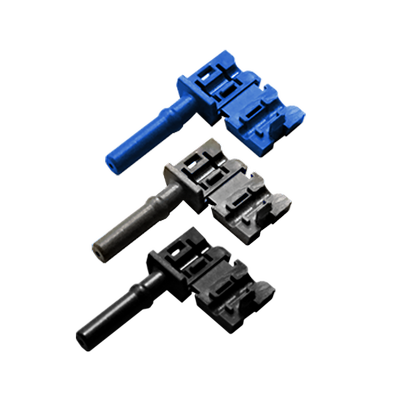
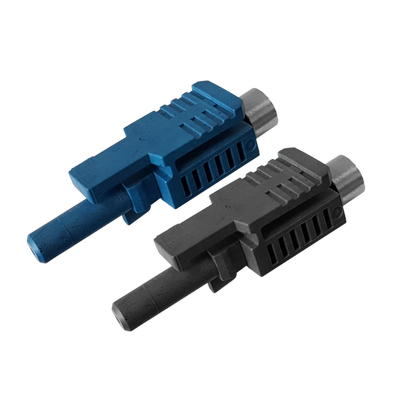
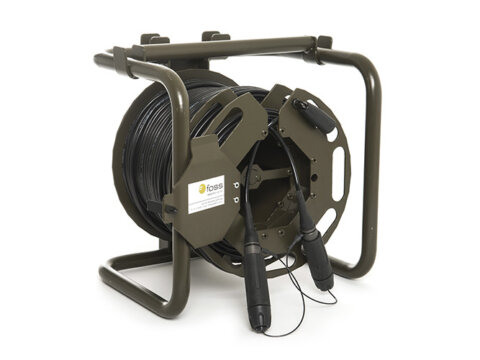
Within fibre optic systems, connectors, termini and adapters work together to create repeatable, low-loss optical interfaces across networks, equipment and embedded devices. Connectors provide the removable interface, termini integrate optical fibres into multi-contact connector systems, and adapters ensure accurate alignment between compatible connector types. Different connector formats balance density, durability and ease of handling, while specialised termini support applications where fibre optics must coexist with electrical contacts in ruggedised assemblies. Selection is often influenced by optical performance requirements, mechanical packaging, environmental exposure and maintenance strategy. Typical applications include industrial automation, telecommunications, aerospace, defence, medical equipment, transportation and data infrastructure where consistent optical performance is essential.
Key selection factors
- Connector interface: Select a connector format that matches the required fibre type, density, mating cycle requirements and installation environment.
- Optical performance: Evaluate insertion loss, return loss and alignment tolerance to ensure the interconnection does not compromise overall system performance.
- Environmental suitability: Consider vibration, temperature, moisture, dust and chemical exposure, particularly for industrial and outdoor installations.
- Mechanical integration: Housing size, cable routing, bend radius and strain relief all influence long-term reliability and serviceability.
- Maintenance requirements: A common trade-off is choosing between higher-density connectors and easier field inspection and cleaning during routine maintenance.
- Future compatibility: A common pitfall is selecting connector interfaces that limit future upgrades or create unnecessary adapter transitions within the optical link.
Integration notes
Successful fibre optic integration extends beyond connector selection to include cable management, cleaning procedures, inspection and installation quality. EMC concerns are largely removed from the optical transmission path, but mechanical robustness, bend management and environmental sealing remain critical design considerations. Where connectors interface with active optical equipment, enclosure design, thermal management and service access should also be considered. A common pitfall is assuming that poor optical performance originates from active components when contamination or incorrect connector mating is the actual cause. Verification through inspection, insertion loss testing and end-face cleanliness checks helps ensure consistent long-term performance.
FAQs on Connectors, Termini & Adapters in Fibre Optics
Connectors, Termini & Adapters in Fibre Optics FAQs
Fibre optic connectors provide detachable optical interfaces, termini terminate fibres within larger connector systems, and adapters accurately align compatible connectors. Together they enable optical signals to pass between components while maintaining low optical loss and reliable mechanical alignment.
Every optical connection introduces the potential for signal loss or reflection. Selecting appropriate interconnection components helps maintain system performance, simplifies maintenance and supports long-term reliability across demanding applications.
The selection depends on both optical and mechanical requirements, including:
- Fibre type and connector compatibility
- Required insertion and return loss performance
- Environmental and installation conditions
The connector should also match maintenance requirements and future expansion plans.
Insertion loss is influenced by fibre alignment, connector quality, end-face condition and installation practices. Contamination, damaged ferrules and repeated mating cycles can all increase optical loss over time, making inspection and cleaning an important part of system maintenance.
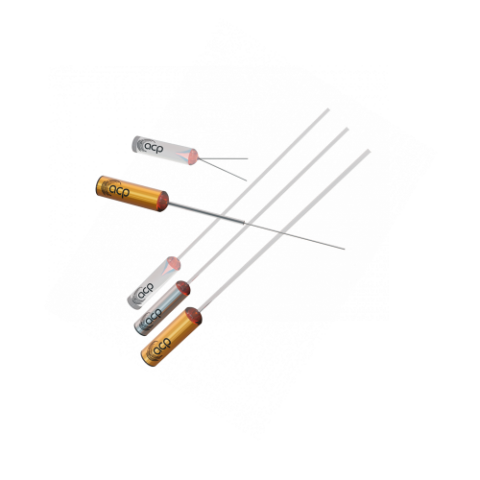
Termini are typically selected when optical fibres must integrate within multi-contact connector systems used in rugged or space-constrained equipment. They allow fibre optic and electrical connections to coexist within a common connector platform while maintaining appropriate optical alignment.
Adapters provide precise mechanical alignment between compatible connector interfaces without permanently joining fibres. Their primary purpose is to maintain repeatable optical performance while allowing equipment, patch panels and cable assemblies to be connected or reconfigured as required.
Environmental conditions often determine connector design as much as optical performance. Key considerations include:
- Sealing against moisture and contamination
- Resistance to vibration and mechanical shock
- Long-term durability under temperature cycling
These factors help ensure reliable operation throughout the product lifecycle.
Reliable performance depends on correct installation, regular inspection and proper handling procedures. Clean optical end faces, controlled cable routing, appropriate strain relief and routine optical testing all contribute to maintaining consistent signal integrity and reducing unexpected maintenance issues.