SR series versatile spectrometers
- Technology
- Spectrometers
- Partner
- Ocean Optics
The SR series comprises three fibre-coupled spectrometer platforms designed for laboratory measurement, process monitoring and integration into analytical equipment. The SR2 is optimised for rapid acquisition, with integration times from 1 µs and a typical scan rate of 630 scans per second. The SR4 uses a 3648-element CCD array and configurable optical arrangements for absorbance, reflectance and emission-line measurements where spectral detail matters. The SR6 combines UV response with a 12,000:1 single-acquisition dynamic range for proteins, DNA, fluorescent samples and other low-intensity signals.
Interchangeable slit widths and multiple grating options allow each platform to be configured around the required wavelength range, resolution and optical throughput. High Speed Averaging Mode performs back-to-back integrations in hardware to improve signal-to-noise performance per unit time. USB-C, RS-232, optional Ethernet, external triggering and software-development support accommodate both benchtop and embedded measurement systems.
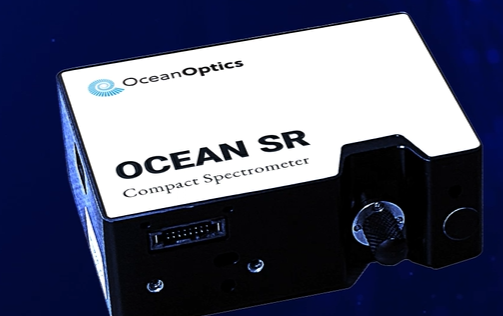
Range features
A high level overview of what this range offers
- Three spectrometer platforms – Select the SR2, SR4 or SR6 according to acquisition speed, spectral detail or sensitivity requirements.
- 180 to 1100 nm overall coverage – Configure the series for UV, visible, near-infrared or extended-range measurements.
- 5 to 200 µm entrance slits – Balance optical resolution and signal throughput for the application.
- Configurable gratings – Choose wavelength-specific arrangements with 500, 600, 1200 or 1800 lines/mm.
- SR2 integration times from 1 µs – Capture rapid optical events and measure high-intensity sources.
- SR4 3648-element CCD array – Obtain detailed sampling for absorbance, reflectance and emission-line analysis.
- SR6 12,000:1 dynamic range – Accommodate a broad range of signal levels within one acquisition.
- High Speed Averaging Mode – Perform back-to-back integrations in hardware to increase SNR per unit time.
- 0.02 nm/°C thermal wavelength drift – Limit wavelength movement as the operating temperature changes.
- Software and external triggering – Synchronise acquisition with lamps, lasers, process events and other equipment.
- USB-C, RS-232 and Ethernet options – Support local operation, embedded communication and networked installations.
- Included SDK and API support – Integrate the spectrometer into software written in C, C++, C#, LabVIEW, MATLAB or Python.
- Compact mechanical format – Fit restricted instrument spaces with a standard enclosure measuring 88.1 × 63.5 × 31.45 mm.
- User-interchangeable slit – Adapt the optical input configuration without replacing the complete spectrometer.
Downloads
for SR series versatile spectrometers
What’s in this range?
All the variants in the range and a comparison of what they offer
Wavelength and optical-resolution figures are typical values and depend on the selected grating, slit, detector and operating conditions.
General specifications
| Parameter | Specification |
|---|---|
Product range | SR2, SR4 and SR6 |
Spectrometer architecture | Fibre-coupled linear CCD-array spectrometers |
Overall configurable wavelength coverage | 180 to 1100 nm across the series |
Entrance-slit options | 5, 10, 25, 50, 100 and 200 µm |
Grating groove-density options | 500, 600, 1200 and 1800 lines/mm, depending on configuration |
A/D resolution | 16 bit |
Corrected linearity | 99.7% |
Thermal wavelength drift | 0.02 nm/°C |
Trigger modes | Software, external rising-edge and external level; SR4 external triggering depends on the selected firmware option |
Acquisition modes | Single spectrum and High Speed Averaging Mode |
High Speed Averaging Mode trigger support | Software and external edge; external level is not supported |
Communication interfaces | USB, RS-232 and Ethernet on selected configurations |
Connectors | USB Type-C, SMA 905 optical input, 16-pin Samtec TFM, RS-232 and RJ45 with Ethernet option |
Auxiliary functions | Four GPIO lines, external reset, lamp enable, external trigger, single strobe, continuous strobe and +5 VDC input |
Auxiliary logic compatibility | Pins 4 to 12 are 3.3 V CMOS-compatible with ±1 mA drive capability |
Power requirement | 5 VDC |
Power-up time | 3 seconds |
Standard dimensions | 88.1 × 63.5 × 31.45 mm |
Dimensions with Ethernet option | 88.1 × 63.5 × 52.9 mm |
Weight | 254 g |
Operating temperature | 0 to 55 °C |
Storage temperature | -30 to 70 °C |
Relative humidity | Less than 85% |
Maximum operating altitude | 2000 m |
Intended environment | Indoor use |
Overvoltage category | Category 1 |
Pollution degree | Degree 2 |
Compliance | FCC Class A, EMC Directive 2014/30/EU, EN 61326-1:2013, EN 55011:2009 with A1:2010, RoHS and WEEE |
SR2, SR4 and SR6 comparison
| Specification | SR2 | SR4 | SR6 |
|---|---|---|---|
Configurable wavelength range | 185–1100 nm | 190–1050 nm | 180–1100 nm |
Integration time | 1 µs–2 s | 3.8 ms–10 s | 7.2 ms–5 s |
Optical resolution, FWHM | 0.42–11.52 nm | 0.42–11.34 nm | 0.36–11.52 nm |
Single-scan SNR at 10 ms | 380:1 | 250:1 | 400:1 |
Maximum SNR per second with High Speed Averaging Mode | 25,800:1 | 3,000:1 | 3,500:1 |
Dynamic range for one acquisition | 3,400:1 | 1,300:1 | 12,000:1 |
Typical scan rate | 630 scans/s | 74 scans/s | 74 scans/s |
Active detector pixels | 2098 | 3648 | 2048 |
Thermal wavelength drift | 0.02 nm/°C | 0.02 nm/°C | 0.02 nm/°C |
Dimensions | 88.1 × 63.5 × 31.45 mm | 88.1 × 63.5 × 31.45 mm | 88.1 × 63.5 × 31.45 mm |
Weight | 254 g | 254 g | 254 g |
Application emphasis | Rapid absorbance, laser and LED characterisation, colour and reflectance | Low-stray-light absorbance, emission-line analysis and solid-sample reflectance | UV absorbance, fluorescence and sensitivity-oriented analysis |
SR2 optical configurations
| Group | Part-number stem | Wavelength range | 5 µm FWHM | 10 µm FWHM | 25 µm FWHM | 50 µm FWHM | 100 µm FWHM | 200 µm FWHM | Grating | Blaze wavelength |
|---|---|---|---|---|---|---|---|---|---|---|
UV-Vis | SR-2UVV300-XX | 195–850 nm | 0.86 nm | 1.01 nm | 1.33 nm | 2.06 nm | 3.80 nm | 7.61 nm | 600 lines/mm | 300 nm |
Vis-NIR | SR-2VN500-XX | 350–1040 nm | 0.86 nm | 1.02 nm | 1.34 nm | 2.08 nm | 3.83 nm | 7.66 nm | 600 lines/mm | 500 nm |
NIR | SR-2N750-XX | 570–860 nm | N/A | N/A | 0.84 nm | 1.33 nm | 2.36 nm | 4.34 nm | 1200 lines/mm | 750 nm |
UV | SR-2UV220-XX | 185–410 nm | N/A | N/A | 0.55 nm | 0.92 nm | 1.72 nm | 2.96 nm | 1800 lines/mm | Holographic |
UV | SR-2UV240-XX | 200–530 nm | 0.42 nm | 0.50 nm | 0.66 nm | 1.02 nm | 1.89 nm | 3.78 nm | 1200 lines/mm | Holographic |
UV-Vis | SR-2UVV240-XX | 185–850 nm | 0.86 nm | 1.01 nm | 1.33 nm | 2.06 nm | 3.80 nm | 7.61 nm | 600 lines/mm | 240 nm |
UV-Vis | SR-2UVV400-XX | 185–850 nm | 0.86 nm | 1.01 nm | 1.33 nm | 2.06 nm | 3.80 nm | 7.61 nm | 600 lines/mm | 400 nm |
Visible | SR-2VIS400-XX | 380–1050 nm | 1.62 nm | 1.38 nm | 1.71 nm | 2.75 nm | 4.86 nm | 6.99 nm | 600 lines/mm | 400 nm |
NIR | SR-2N1000-XX | 650–1100 nm | 0.84 nm | 0.99 nm | 1.30 nm | 2.01 nm | 3.72 nm | 7.44 nm | 600 lines/mm | 1000 nm |
Extended range | SR-2XR250-XX | 185–1050 nm | 1.44 nm | 1.54 nm | 2.02 nm | 3.12 nm | 5.76 nm | 11.52 nm | 500 lines/mm | 250 nm |
SR4 optical configurations
| Group | Part-number stem | Wavelength range | 5 µm FWHM | 10 µm FWHM | 25 µm FWHM | 50 µm FWHM | 100 µm FWHM | 200 µm FWHM | Grating | Blaze wavelength |
|---|---|---|---|---|---|---|---|---|---|---|
UV-Vis | SR-4UVV300-XX | 190–910 nm | 1.17 nm | 1.25 nm | 1.65 nm | 2.55 nm | 4.62 nm | 9.24 nm | 600 lines/mm | 300 nm |
Vis-NIR | SR-4VN500-XX | 350–1040 nm | 1.17 nm | 1.25 nm | 1.65 nm | 2.55 nm | 4.62 nm | 9.24 nm | 600 lines/mm | 500 nm |
UV | SR-4UV220-XX | 190–410 nm | 0.42 nm | 0.46 nm | 0.60 nm | 0.93 nm | 1.68 nm | 3.36 nm | 1800 lines/mm | Holographic |
UV | SR-4UV240-XX | 190–535 nm | 0.58 nm | 0.63 nm | 0.83 nm | 1.28 nm | 2.31 nm | 4.62 nm | 1200 lines/mm | Holographic |
UV-Vis | SR-4UVV240-XX | 190–850 nm | 1.17 nm | 1.25 nm | 1.65 nm | 2.55 nm | 4.62 nm | 9.24 nm | 600 lines/mm | 240 nm |
UV-Vis | SR-4UVV400-XX | 190–910 nm | 1.17 nm | 1.25 nm | 1.65 nm | 2.55 nm | 4.62 nm | 9.24 nm | 600 lines/mm | 400 nm |
UV-Vis Ethernet | SR-4UVV300EN-XX | 190–910 nm | N/A | N/A | 1.65 nm | N/A | N/A | N/A | 600 lines/mm | 300 nm |
Visible Ethernet | SR-4VIS400EN-XX | 350–1040 nm | 1.17 nm | N/A | N/A | N/A | N/A | N/A | 600 lines/mm | 400 nm |
Visible | SR-4VIS400-XX | 350–1040 nm | 1.17 nm | 1.25 nm | 1.65 nm | 2.55 nm | 4.62 nm | 9.24 nm | 600 lines/mm | 400 nm |
NIR | SR-4N750-XX | 570–860 nm | 0.58 nm | 0.63 nm | 0.83 nm | 1.28 nm | 2.31 nm | 4.62 nm | 1200 lines/mm | 750 nm |
NIR | SR-4N1000-XX | 600–1050 nm | 1.17 nm | 1.25 nm | 1.65 nm | 2.55 nm | 4.62 nm | 9.24 nm | 600 lines/mm | 1000 nm |
Extended range | SR-4XR250-XX | 190–1050 nm | 1.43 nm | 1.54 nm | 2.03 nm | 3.13 nm | 5.67 nm | 11.34 nm | 500 lines/mm | 250 nm |
Extended-range Ethernet | SR-4XR250EN-XX | 190–1050 nm | N/A | N/A | 2.03 nm | N/A | N/A | N/A | 500 lines/mm | 250 nm |
SR6 optical configurations
| Group | Part-number stem | Wavelength range | 5 µm FWHM | 10 µm FWHM | 25 µm FWHM | 50 µm FWHM | 100 µm FWHM | 200 µm FWHM | Grating | Blaze wavelength |
|---|---|---|---|---|---|---|---|---|---|---|
UV-Vis | SR-6UVV300-XX | 180–900 nm | 1.17 nm | 1.25 nm | 1.64 nm | 2.54 nm | 4.68 nm | 9.36 nm | 600 lines/mm | 300 nm |
Vis-NIR | SR-6VN500-XX | 350–1040 nm | 1.17 nm | 1.25 nm | 1.64 nm | 2.54 nm | 4.68 nm | 9.36 nm | 600 lines/mm | 500 nm |
UV | SR-6UV220-XX | 180–400 nm | 0.36 nm | 0.38 nm | 0.50 nm | 0.78 nm | 1.44 nm | 2.88 nm | 1800 lines/mm | Holographic |
UV | SR-6UV240-XX | 180–510 nm | 0.54 nm | 0.58 nm | 0.76 nm | 1.17 nm | 2.16 nm | 4.32 nm | 1200 lines/mm | Holographic |
UV-Vis | SR-6UVV240-XX | 180–850 nm | 1.17 nm | 1.25 nm | 1.64 nm | 2.54 nm | 4.68 nm | 9.36 nm | 600 lines/mm | 240 nm |
UV-Vis | SR-6UVV400-XX | 180–900 nm | 1.17 nm | 1.25 nm | 1.64 nm | 2.54 nm | 4.68 nm | 9.36 nm | 600 lines/mm | 400 nm |
Visible | SR-6VIS400-XX | 350–1000 nm | 1.17 nm | 1.25 nm | 1.64 nm | 2.54 nm | 4.68 nm | 9.36 nm | 600 lines/mm | 400 nm |
Vis-NIR Ethernet | SR-6VN500EN-XX | 350–1040 nm | N/A | 1.25 nm | 1.64 nm | N/A | N/A | N/A | 600 lines/mm | 500 nm |
NIR | SR-6N750-XX | 570–860 nm | 0.54 nm | 0.58 nm | 0.76 nm | 1.17 nm | 2.16 nm | 4.32 nm | 1200 lines/mm | 750 nm |
NIR | SR-6N1000-XX | 600–1100 nm | 1.17 nm | 1.25 nm | 1.64 nm | 2.54 nm | 4.68 nm | 9.36 nm | 600 lines/mm | 1000 nm |
NIR Ethernet | SR-6N750EN-XX | 570–860 nm | 0.54 nm | 0.58 nm | N/A | N/A | N/A | N/A | 1200 lines/mm | 750 nm |
Extended range | SR-6XR250-XX | 190–1050 nm | 1.44 nm | 1.54 nm | 2.02 nm | 3.12 nm | 5.76 nm | 11.52 nm | 500 lines/mm | 250 nm |
Extended-range Ethernet | SR-6XR250EN-XX | 190–1050 nm | N/A | N/A | 2.02 nm | N/A | N/A | N/A | 500 lines/mm | 250 nm |
N/A indicates that no value is assigned to the corresponding slit and optical-configuration combination.
FAQs
for SR series versatile spectrometers
Choose the model by comparing acquisition speed, detector format, dynamic range and the expected optical signal. The SR2 reaches integration times of 1 µs and a typical 630 scans per second, making it suitable for rapid events, pulsed sources and high-light-level measurements. The SR4 uses 3648 active pixels and supports configurations aimed at absorbance, reflectance and emission-line analysis where spectral detail is important. The SR6 provides a 12,000:1 single-acquisition dynamic range, 400:1 single-scan SNR and UV-oriented configurations. Engineers should then select the grating and slit according to the required wavelength window, resolution and available light.
Slit width determines the balance between optical resolution and the amount of light reaching the detector. The available widths are 5, 10, 25, 50, 100 and 200 µm, with narrower slits generally producing smaller FWHM values but lower optical throughput. Depending on the model and optical configuration, the series covers typical FWHM values from 0.36 to 11.52 nm. Gratings with 500, 600, 1200 or 1800 lines/mm and different blaze wavelengths determine the usable spectral range and wavelength-specific response. The selected configuration should therefore be evaluated with the actual source intensity, fibre, sampling optics and feature spacing expected in the measurement.
USB-C is suitable for direct computer operation, while RS-232 and selected Ethernet configurations support embedded or networked systems. The 16-pin connector provides external trigger input, reset, lamp enable, single and continuous strobe outputs, four GPIO lines, power input and ground connections. Pins 4 to 12 use 3.3 V CMOS-compatible logic with a drive capability of ±1 mA, so external electronics may require buffering. Software, external rising-edge and external-level triggering are supported across the series, subject to the configured firmware. For the SR4, the standard firmware is software-trigger-only, while external trigger modes require the alternative firmware option to be specified before deployment.
High Speed Averaging Mode is appropriate when the application needs increased SNR per unit time rather than a stream of separate spectra. Maximum per-second SNR values are 25,800:1 for SR2, 3,000:1 for SR4 and 3,500:1 for SR6, compared with single-scan values of 380:1, 250:1 and 400:1 respectively. The mode performs multiple detector integrations back-to-back and returns one averaged spectrum, reducing the transfer overhead associated with software-only averaging. It supports software and external-edge triggering but not external-level triggering, and requires a compatible OceanDirect release and FPGA firmware. Integration time and the number of averages must still be selected to prevent detector saturation.
The SR6 UV configurations are oriented towards protein, DNA and other UV absorbance measurements. Options include 180–400 nm and 180–510 nm wavelength ranges, with the 1800 lines/mm UV configuration reaching typical FWHM values from 0.36 to 2.88 nm depending on slit width. Evaluation measurements covered oligonucleotide DNA concentrations from 0.5 to 70 µg/mL and showed absorbance linearity to approximately 2 AU. A complete UV setup also needs a suitable deuterium or UV LED source, quartz sampling optics and solarisation-resistant fibres. SR2 may be considered where faster acquisition is required, while SR4 can support measurements that place greater emphasis on resolving closely spaced spectral features.
The spectrometers are intended for indoor operation from 0 to 55 °C, with storage permitted from -30 to 70 °C and relative humidity below 85%. The standard enclosure measures 88.1 × 63.5 × 31.45 mm, while an Ethernet-equipped unit increases the final dimension to 52.9 mm. Standard product information gives a weight of 254 g, and the instrument requires a 5 VDC supply with a power-up time of approximately three seconds. Installations should remain below 2000 m altitude and meet overvoltage category 1 and pollution degree 2 conditions. The optical opening should remain capped when unused, and slit replacement should only take place in a clean environment to prevent contamination of the optical bench.
The included OceanDirect SDK provides an API for connecting to the spectrometer, setting integration parameters, configuring averaging and acquiring spectral data. Development interfaces are available for C, C++, C#, standard C, LabVIEW, MATLAB and Python 3 or later. OceanView provides a graphical environment for benchtop operation, while the SDK is more suitable for automated instruments and OEM applications. Ethernet-equipped models use IPv4, support DHCP or static network settings and communicate through fixed port 57350; device discovery also uses multicast address 239.239.238.238. Network and firewall requirements should therefore be agreed with the responsible IT team before the spectrometer is installed on a managed industrial network.