Camera positioning systems
Mechanical platforms for precise camera orientation and support
Camera positioning systems provide the mechanical foundation for controlling how a camera is mounted, oriented, and stabilised. They are used across a wide range of applications, from robotics and machine vision to defence, surveillance, research, and industrial inspection.
While basic systems may only provide pan and tilt movement, more advanced solutions can offer multiple axes of motion, active stabilisation, and automated positioning. These capabilities allow cameras to maintain accurate alignment and consistent orientation, even when operating in demanding or constantly changing environments.
This category includes several types of positioning solutions, such as pan-tilt positioners, servo-driven gear systems, and industrial camera tripods. Each has a different role. Motorised positioners are suited to applications where cameras need to move and track targets, servo-driven mechanisms provide controlled motion and torque for integrated systems, while tripods offer a simple and stable solution for fixed installations.
When selecting a camera positioning system, factors such as positioning accuracy, load capacity, movement speed, mechanical rigidity, and compatibility with feedback and control systems are important. Choosing the right solution can make a significant difference to camera stability, responsiveness, and overall image quality, particularly in applications where reliable and repeatable positioning is essential.
Do you want to know more about this technology? Try out our new Chatbot!
Catagory overview
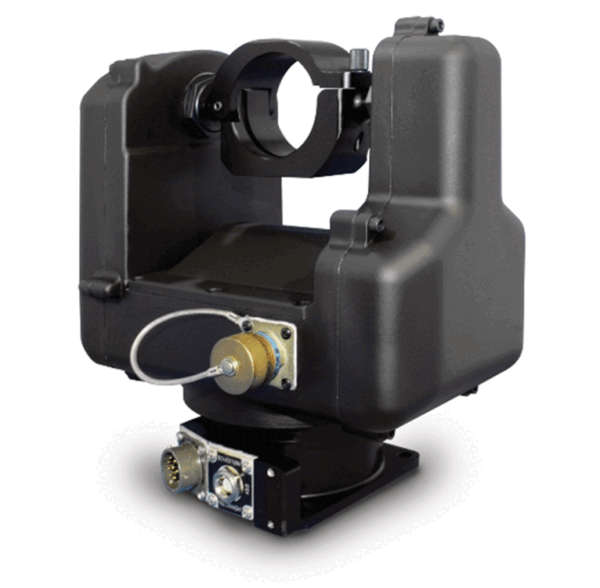
Camera positioning systems combine mechanical and, in many cases, electromechanical components to control the orientation of imaging equipment. an-tilt positioners use motors to move a camera through defined ranges of motion. They can be controlled manually or integrated into automated systems, making them suitable for applications that require repeatable positioning, remote operation, or target tracking.
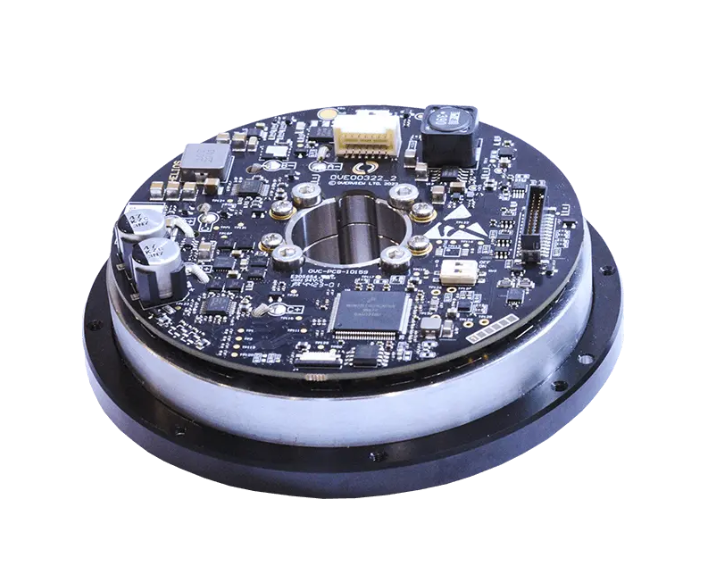
Servo-driven gear systems provide the mechanical link between a motor and the camera platform. By converting motor rotation into controlled movement and torque, they allow cameras and other imaging components to be positioned accurately and consistently. These systems are often integrated into larger robotic or electromechanical assemblies.
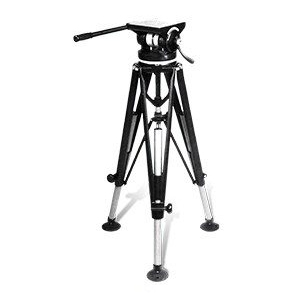
Industrial camera tripods take a simpler approach. They provide stable, rigid support and allow the camera to be positioned manually, but do not provide motorised movement or automated control. They are well suited to applications where the camera needs to remain securely positioned rather than move during operation.
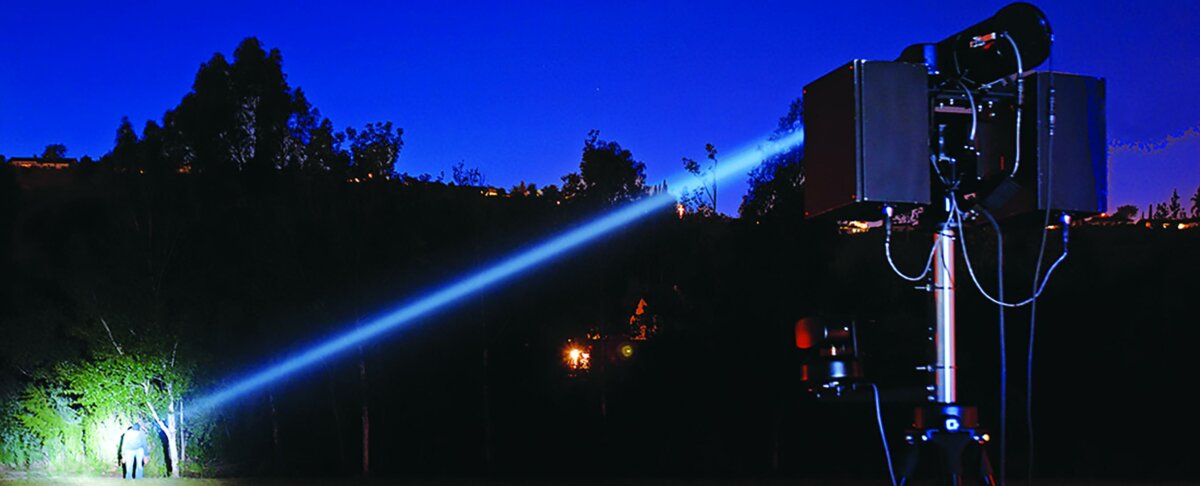
Ultimately, the right positioning system depends on the application. Dynamic surveillance and tracking may require a motorised multi-axis platform, precision inspection may benefit from controlled servo-driven movement, while laboratory or industrial setups may only require a robust static support. Together, these technologies provide the stability, control, and positioning accuracy needed for reliable imaging in a wide range of professional environments.
Key selection factors
-
Level of motion control: Pan-tilt positioners enable active, programmable movement, while industrial tripods provide static support. The choice depends on whether controlled motion is required in the application.
-
Precision and repeatability: Servo-driven systems deliver high positional accuracy and repeatable movement; a common oversight is under-specifying precision in automated or multi-axis setups.
-
Load capacity and balance: Systems must accommodate the full payload, including cameras and accessories, with proper weight distribution to maintain performance and mechanical integrity.
-
Integration with control systems: Motorised solutions require compatible interfaces, software control, and system integration, increasing overall design complexity compared with passive mounts.
-
Mechanical stability: Static systems prioritise rigidity and vibration resistance, while active systems must balance stability with controlled mobility.
-
Application environment: Industrial and outdoor deployments require robust construction and resistance to vibration, temperature variation, and environmental contamination.
We provide camera positioning solutions designed for high-accuracy imaging applications, from controlled laboratory environments to demanding field deployments. Our configurable systems are supported by expert integration guidance to ensure seamless compatibility with modern imaging and control architectures.
FAQ’s
The key difference is motion capability:
- Pan tilt positioners: motorised, active control
- Industrial camera tripods: static, manual adjustment
The choice depends on whether automated movement is required.
Servo drive gears provide the mechanical transmission needed for precise motion control. They are used in motorised positioning systems to translate motor output into controlled movement. Their performance affects accuracy and responsiveness.
Integration complexity depends on the system type. Passive systems like tripods are straightforward, while motorised systems require control integration and tuning. Proper design helps manage complexity.
Yes, many are designed for outdoor use with appropriate protection. Environmental factors such as weather and temperature must be considered. Robust construction is important.
Higher accuracy improves consistency and reliability of captured images. In applications with high magnification, small positioning errors can have significant impact. Precision is critical in such cases.