Robotics
Embedded computing and control solutions for intelligent, flexible and autonomous robotic systems.
As robotics continues to evolve, embedded technology plays an increasingly important role in developing systems that can operate autonomously, adapt to changing environments and perform tasks with greater precision. From automated guided vehicles (AGVs) to autonomous mobile robots (AMRs) and collaborative robotic platforms, embedded solutions provide the processing, connectivity and control needed to bring modern robotic applications to life.
As demand grows across logistics, healthcare, agriculture and mining, robotic systems need to do more than repeat predefined movements. They must respond to their surroundings, process sensor data and coordinate tasks reliably. Embedded computing platforms help developers build this intelligence into their designs, supporting applications that require greater flexibility, autonomous operation and communication between multiple robotic systems.
Explore our embedded robotics portfolio to find solutions that support your processing, control and system integration requirements.
Do you want to know more about this technology? Try out our new Chatbot!
Why our portfolio is right for you
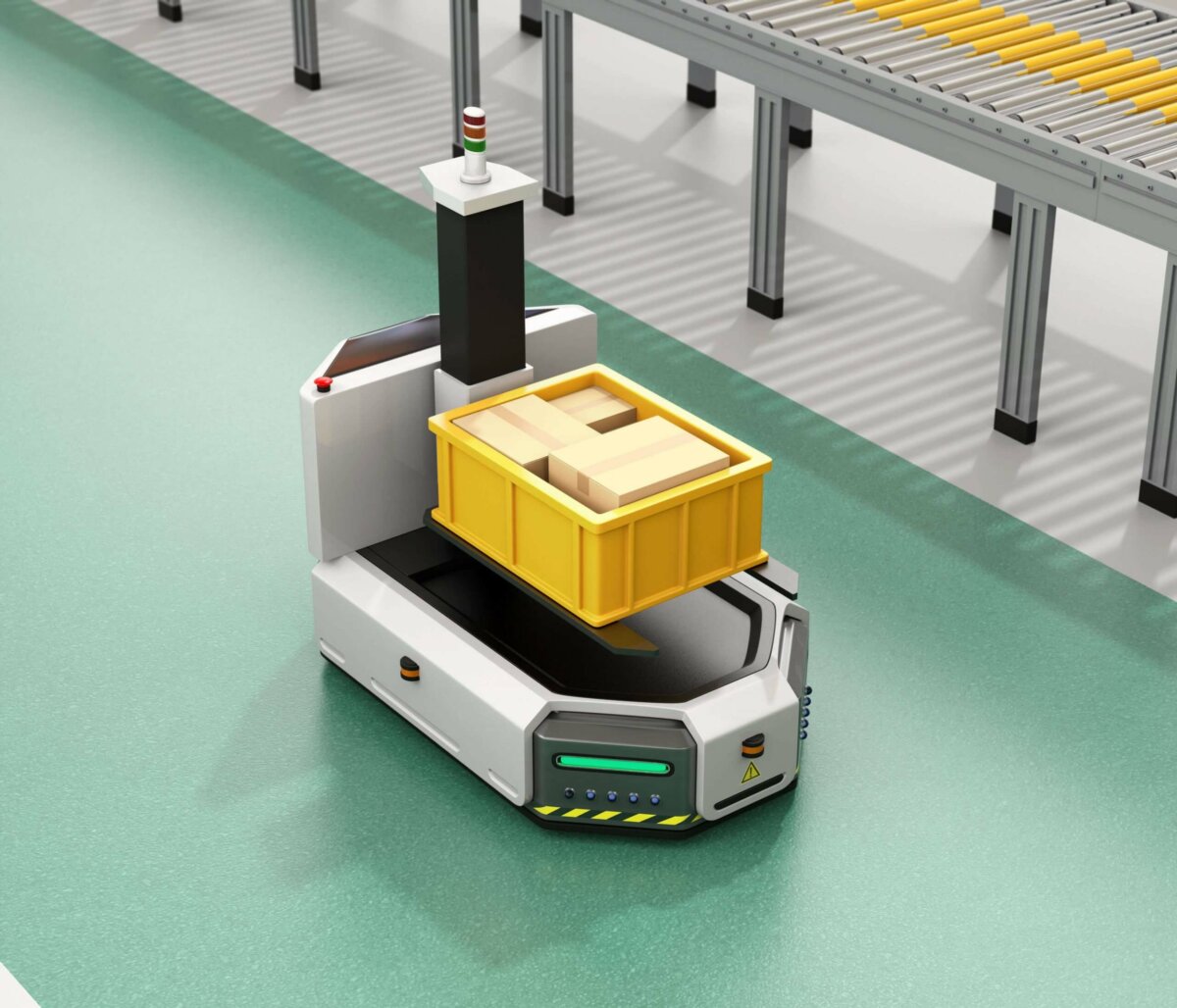
Our embedded robotics portfolio offers options for a range of robotic architectures, from established automated guided vehicles to more flexible autonomous mobile robots and connected multi-robot systems. Whether you are developing a new platform or adapting an existing design, our Sales team can help you navigate the available solutions and identify options that match your processing, connectivity, power and integration requirements. For more complex projects involving autonomous navigation, intelligent sensor processing, real-time control or coordination across multiple robots, our Technology Centre can provide additional technical guidance and help you explore suitable solutions from our portfolio.
Key selection factors
-
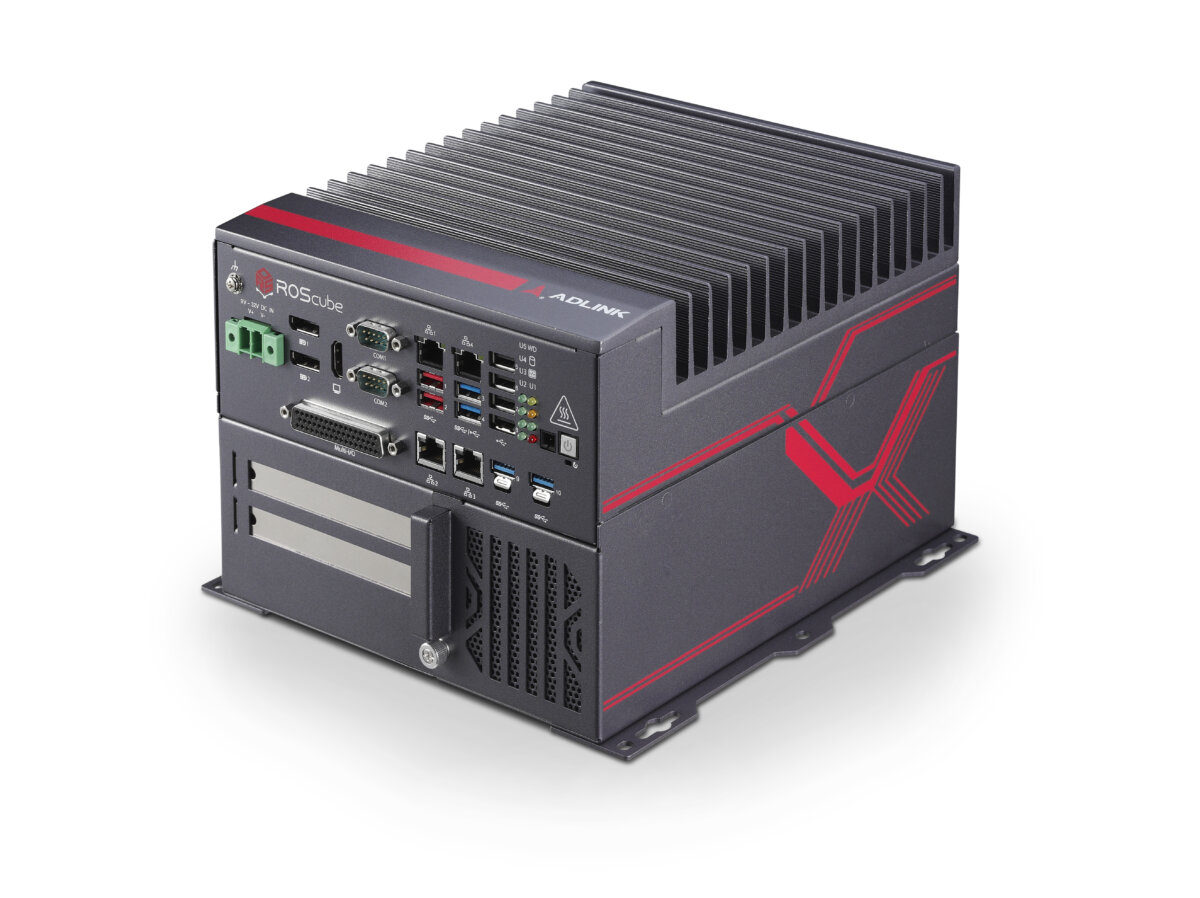
Processing performance and scalability: Choose computing resources that can handle your robot’s current workload, from basic control tasks to more demanding sensor processing, navigation and perception. Consider the potential for future software updates and additional functionality, so the platform can evolve alongside your application.
-
Real-time control and responsiveness: Robotic systems often need to respond predictably to sensor inputs and control commands. Assess processing latency, real-time operating system support and the requirements of your motion control or safety-related functions. The appropriate architecture depends on the timing and reliability demands of the application.
-
Sensor and actuator connectivity: Check that the platform supports the interfaces required by your cameras, lidar, encoders, motors and other peripherals. Available I/O, communication buses and expansion options can influence how easily components integrate and whether the design can accommodate future hardware changes.
-
Autonomy and intelligent processing: Applications such as AMRs may require local processing for navigation, obstacle detection, mapping and environmental awareness. Consider the computing resources needed for these workloads, including whether dedicated acceleration for AI or vision processing would benefit your design.
-
Communication and multi-robot coordination: Connected robotic systems may need to exchange status information, receive task instructions and coordinate operations with other robots or central management software. Assess wired and wireless connectivity, supported protocols, network reliability and the communication requirements of your deployment.
-
Power, size and environmental requirements: Embedded hardware must fit within the robot’s available space and operate within its power budget. Consider thermal management, vibration, temperature, dust and other environmental conditions, particularly for mobile robots used in warehouses, agriculture, mining or outdoor environments.
-
Integration, software and lifecycle support: Evaluate compatibility with your existing software, development tools and system architecture. Documentation, driver availability, integration support and product lifecycle considerations can all affect development time and long-term maintainability.
Technical overview
Embedded solutions form the computing and control foundation of a robotic system. They bring together processing hardware, interfaces and software to manage tasks such as sensor data acquisition, navigation, motion control, communication and real-time decision-making. Depending on the application, this may involve embedded computers, processing modules, control boards and connectivity technologies designed to operate within the constraints of a robotic platform.
As robotics applications become more complex, the ability to process information locally and respond quickly to changing conditions becomes increasingly important. AMRs, for example, may need to combine data from cameras, lidar, positioning sensors and other devices to navigate safely and efficiently. In larger deployments, robots may also need to exchange information with fleet management systems or coordinate activities with other machines.
The right embedded architecture depends on the application’s processing workload, response times, power consumption, physical space and environmental conditions. Developers must also consider interfaces for sensors and actuators, communication protocols, software compatibility and long-term product support. Addressing these requirements early can help simplify integration and provide a more adaptable foundation for future development.
Integration notes
Choosing embedded hardware is only one part of developing a reliable robotic system. The computing platform needs to work effectively with the sensors, actuators, power supply, communication network and software architecture. Start by defining the robot’s core functions and processing workloads, then map the required interfaces, timing constraints and operating conditions before selecting the platform.
Pay particular attention to the relationship between centralised processing and distributed control. Some tasks, such as low-level motor control, may need predictable response times close to the hardware, while higher-level navigation and planning can run on a more capable computing platform. Separating these workloads appropriately can help balance responsiveness, processing capacity and system complexity.
Power consumption and thermal management are also important, especially in battery-powered mobile robots. Higher processing performance can increase power demand and heat output, so assess the platform under realistic operating loads. For mobile deployments, consider wireless coverage, network interruptions and how the robot should behave if communication with a fleet management system is temporarily lost.
Finally, plan for software maintenance, diagnostics and future upgrades. Clear interfaces between hardware and software can simplify troubleshooting and help accommodate new sensors or capabilities as the application develops. Validate the complete system under representative operating conditions, including movement, sensor activity, network load and the expected working environment.
Working on a more complex design?
Developing an advanced robotic platform can involve balancing processing performance, real-time responsiveness, power consumption, connectivity and integration across multiple subsystems. If your project involves autonomous navigation, AI-enabled perception, coordinated robot fleets or demanding operating environments, speak to our Technology Centre. Our technical team can help you assess your design requirements and explore suitable embedded solutions from our portfolio.
FAQ’s
Automated guided vehicles (AGVs) typically follow predefined routes or guidance systems, while autonomous mobile robots (AMRs) use sensor data and onboard processing to navigate and respond to changing environments. AMRs may require greater computing capacity for mapping, localisation, obstacle detection and path planning, depending on their level of autonomy and application.
Start by defining the processing workload, response-time requirements, sensor and actuator interfaces, power budget and available space. Consider whether the application requires real-time control, AI acceleration, machine vision or multiple communication interfaces. Thermal performance, software compatibility and long-term product availability should also factor into the selection.
Real-time processing helps a robot respond to sensor inputs and control commands within predictable time limits. This is important for motion control, coordinated movement and time-sensitive interactions with the environment. The required level of determinism depends on the application, and safety-critical functions may require separate, appropriately designed and validated control mechanisms.
Check interface compatibility, communication protocols, data rates, latency and available input/output channels. Cameras, lidar, encoders and motor controllers may have different connectivity and processing requirements. You should also consider power delivery, electromagnetic interference, thermal management, mechanical constraints and how the hardware will communicate with the robot’s software.
Yes. Depending on the hardware and software architecture, embedded solutions can support sensor fusion, autonomous navigation, AI-based perception and communication between multiple robots. More demanding applications may require distributed processing, specialised accelerators, reliable networking and carefully coordinated control. Our Sales team can help identify suitable options from our portfolio, while our Technology Centre can provide additional technical guidance for complex integration requirements.