Pan and tilt cameras for field use
Positionable imaging platforms for dynamic observation environments
an and tilt camera systems are designed to move and stabilise cameras in situations where a fixed camera cannot provide enough coverage or flexibility. By allowing remote movement across horizontal and vertical axes, they give operators greater control over what the camera sees. They are commonly used for surveillance, perimeter security, industrial inspection, and mobile operations. When combined with visible-light or thermal imaging, they can also provide reliable day-and-night monitoring and improved situational awareness.
This category includes EOIR pan-tilt-zoom (PTZ) cameras and EOIR gimbals, which are designed for different operating conditions. PTZ systems are typically used in fixed installations where controlled camera movement and zoom are important. Gimbals, on the other hand, are built to stabilise cameras continuously while they are moving or exposed to vibration, making them suitable for vehicles, drones, aircraft, and other mobile platforms.
Choosing the right system depends on factors such as load capacity, stabilisation performance, movement speed, control integration, and environmental durability. The system must be able to maintain accurate positioning while dealing with vibration, temperature changes, and demanding outdoor conditions.
The choice of pan and tilt system can have a direct impact on the overall setup, including power requirements, integration, reliability, and imaging performance in the field.
Do you want to know more about this technology? Try out our new Chatbot!
Catagory overview
Pan and tilt camera systems combine imaging sensors with motorised positioning to provide active control of the camera’s field of view. They improve coverage, tracking, and situational awareness where fixed cameras are not enough.
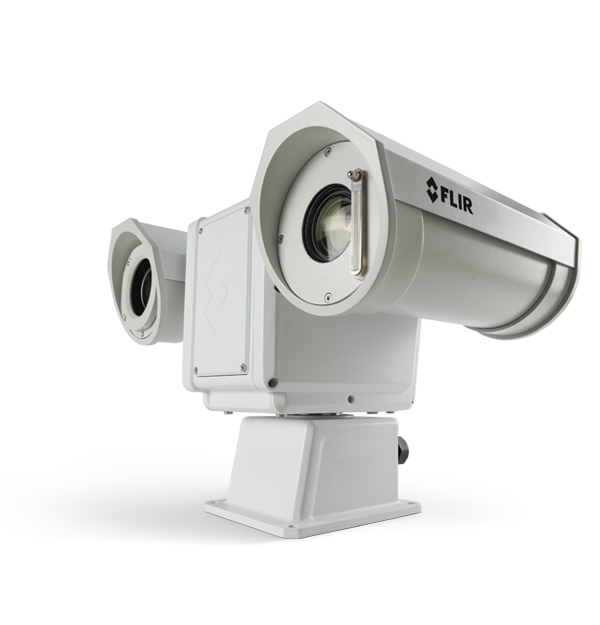
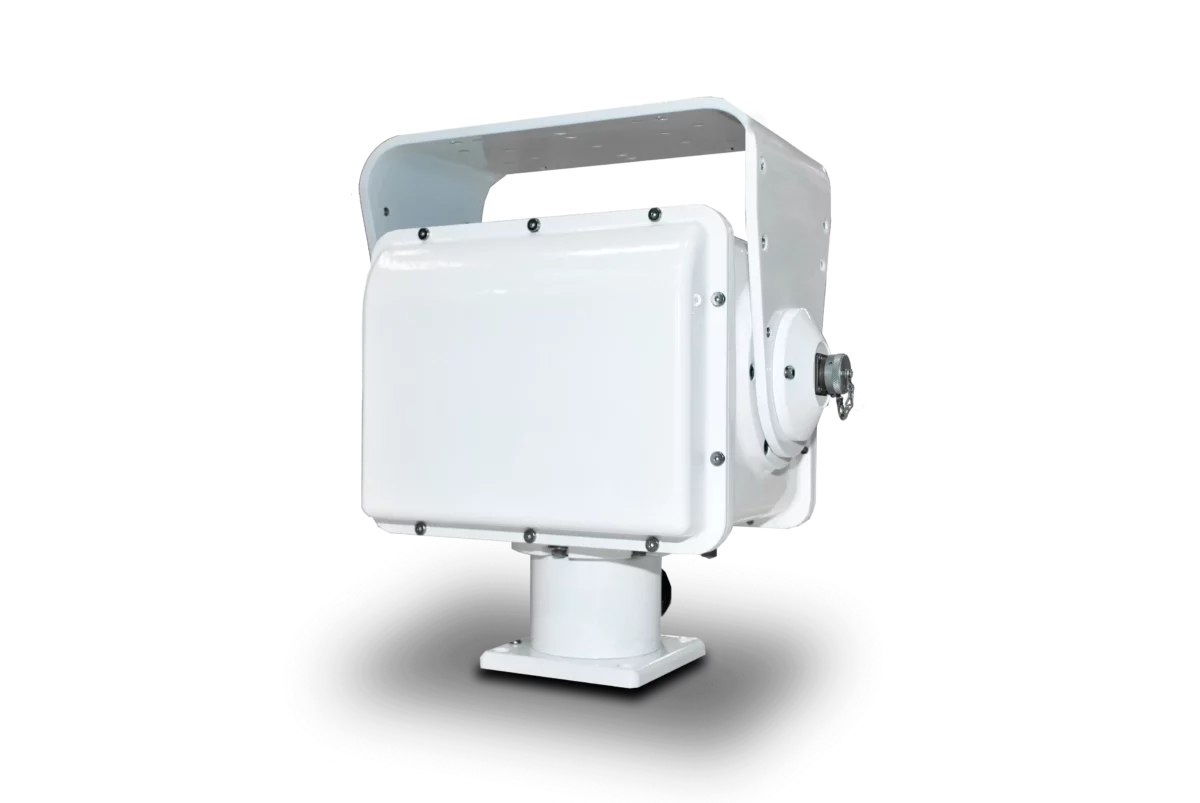
EOIR pan-tilt-zoom (PTZ) cameras combine remote movement with zoom control, making them well suited to fixed installations such as surveillance, perimeter monitoring, and infrastructure inspection.
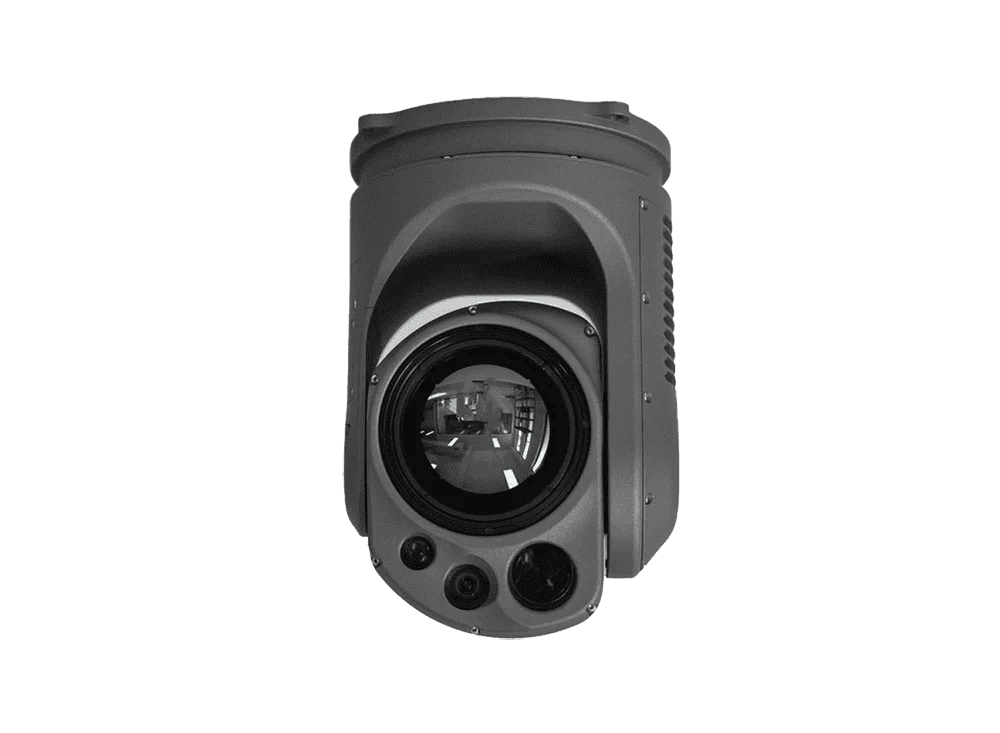
EOIR gimbals are designed for moving platforms such as vehicles, drones, and aircraft. They actively compensate for movement across multiple axes to keep images stable and clear during operation.
Both systems can combine visible and thermal imaging, but they serve different needs. PTZ systems focus on precise positioning and wide-area coverage, while gimbals prioritise stabilisation and tracking during movement. In both cases, close coordination between the imaging sensors and positioning system is essential for reliable EOIR performance.
Key selection factors
-
Static vs dynamic operation: EOIR PTZ cameras are best suited to fixed installations, while EOIR gimbals are designed for mobile platforms where continuous stabilisation is required.
-
Stabilisation requirements: Gimbals actively compensate for motion in real time, whereas PTZ systems typically rely on a stable mounting environment.
-
Payload integration: Both architectures support visible and thermal imaging, but gimbals often demand tighter integration due to stricter weight, balance, and inertia constraints.
-
Control system complexity: PTZ systems operate on straightforward position control, while gimbals require continuous feedback loops and stabilisation algorithms. A common challenge is underestimating this added control complexity in gimbal designs.
-
Mechanical constraints: PTZ units are generally larger and more robust, while gimbals must carefully balance size, weight, and precision to maintain performance under motion.
-
Environmental suitability: Field deployment requires resilience to weather, vibration, and temperature extremes, with design priorities shifting depending on whether the system is static or mobile.
We offer robust pan and tilt camera systems designed for field deployment, supporting both thermal and visible payloads. Our solutions are engineered for durability and precision, with expert guidance available for system integration, control protocols, and environmental requirements.
Speak to our team to select the right pan and tilt camera for your field application, ensuring precise control, reliable performance, and clear imaging in any environment.
FAQ’s
They are used in applications requiring adjustable viewing angles, such as surveillance, monitoring, and remote observation. They allow operators to control camera direction without physical repositioning. This is especially useful in dynamic or wide-area environments.
EOIR gimbals are preferred in mobile applications such as drones or vehicles, where stabilisation is required. PTZ cameras are better suited for fixed installations. The decision depends on platform movement.
Yes, many systems integrate EOIR sensors combining visible and thermal imaging. This enables both detection and visual identification. Integration requires careful alignment and synchronisation.
Yes, they are often designed for outdoor and industrial use. Protection against weather, dust, and temperature extremes is essential. System design must match environmental conditions.
Control systems are critical for accurate positioning and stabilisation. PTZ systems require precise positioning control, while gimbals need continuous stabilisation algorithms. Poor control design can degrade performance.
Typical issues include:
- Choosing the wrong system type (PTZ vs gimbal)
- Underestimating stabilisation needs
- Ignoring environmental constraints
These can lead to suboptimal system behaviour.