Infrared calibration sources and test systems
Stable infrared reference sources for calibration
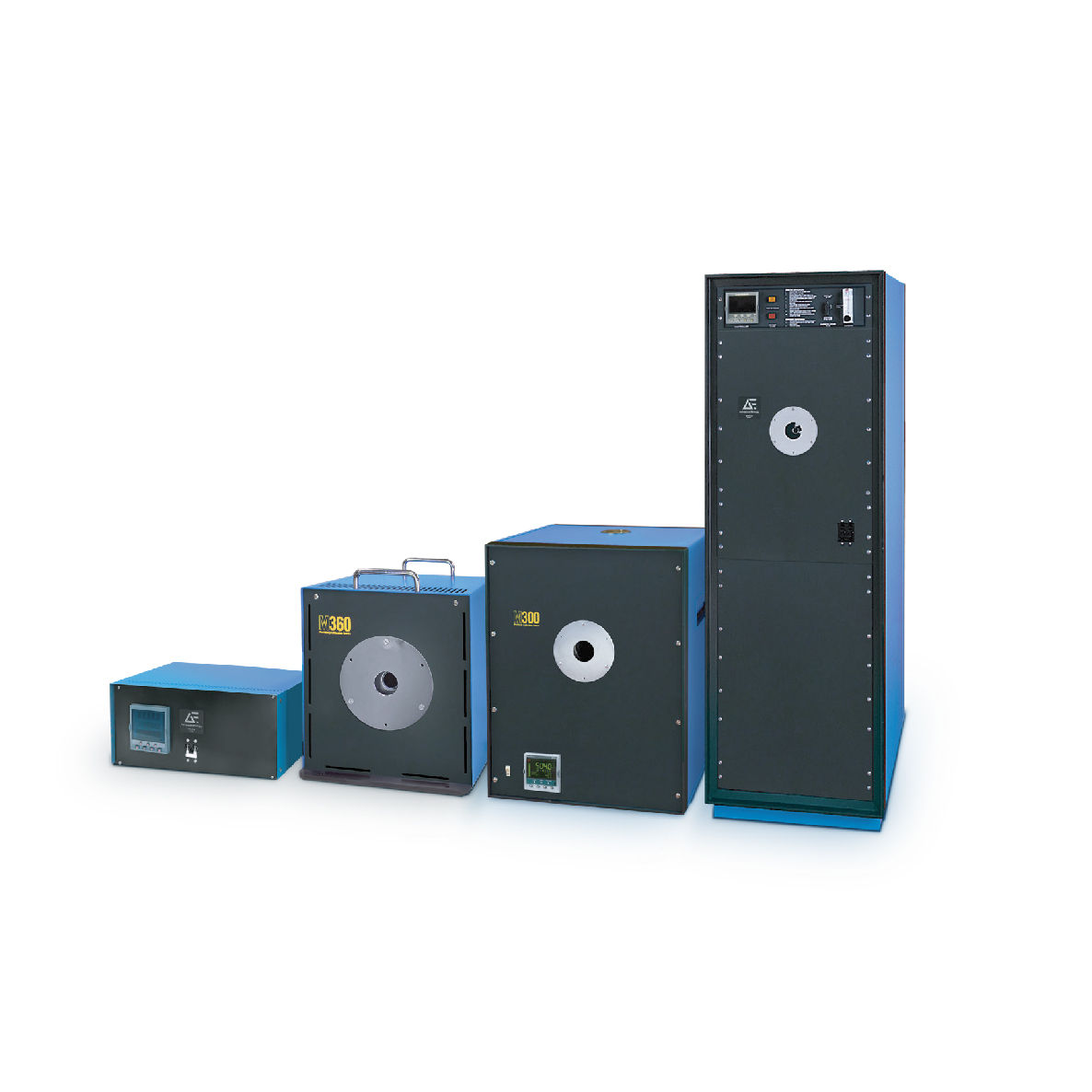
IR blackbodies and test systems provide controlled, repeatable infrared radiation for calibrating and validating cameras, sensors, and other imaging equipment. They give engineers a known reference against which system performance can be measured, helping to verify sensor response, temperature measurements, and repeatability during development and testing.
For R&D applications, they are often the starting point for establishing confidence in thermal measurements. Unlike dynamic IR scene projectors, which are designed to reproduce changing or complex scenes, blackbody sources focus on providing a stable and uniform reference. The right system will depend on factors such as temperature range, stability, uniformity, and the level of calibration traceability required.
Do you want to know more about this technology? Try out our new Chatbot!
Why our portfolio is right for you
We provide IR blackbody and test system solutions from specialist manufacturers, helping engineers build reliable calibration and validation setups for infrared cameras and sensors. Our team can help you match the source to the required temperature range, uniformity, stability, aperture size, and calibration requirements.
Whether you are developing a new thermal imaging system, validating an existing camera, or establishing a repeatable laboratory test procedure, we can help identify a suitable reference source and consider how it will integrate into the wider test setup.
By combining specialist IR test equipment with practical engineering support, we help you establish repeatable measurement conditions and greater confidence in the performance of your infrared imaging system.
Explore our IR calibration sources and test systems and contact our team to discuss your requirements.
Key selection factors
-
**Temperature stability: The source needs to maintain a consistent temperature so that measurements can be repeated reliably and differences in camera performance can be identified.
-
**Surface uniformity: Temperature variations across the emitting surface can introduce measurement errors, particularly when calibrating high-resolution or precision imaging systems.
-
**Calibration traceability: Where measurement accuracy is critical, the system should provide the appropriate calibration and traceability documentation for the intended application.
-
Temperature range: Select a source that covers the temperatures relevant to your camera, sensor, and test requirements, with sufficient margin for the intended operating range.
-
Integration simplicity: Blackbody sources are generally simpler to integrate than dynamic scene projectors, but mounting, alignment, environmental conditions, and measurement geometry still need to be considered.
-
Application boundary vs scene projectors: Blackbodies are primarily used as stable calibration and reference sources. If the requirement is to reproduce dynamic thermal scenes or specific infrared imagery, a scene projector may be more appropriate.
Technical overview
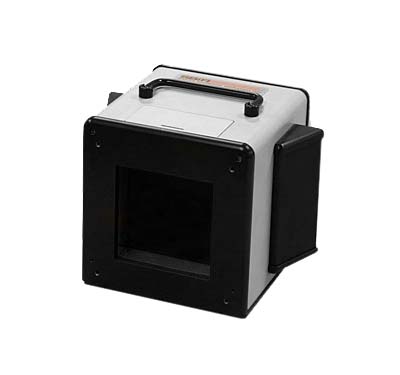
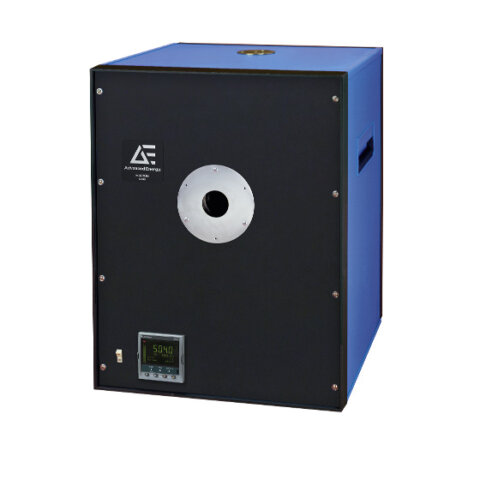
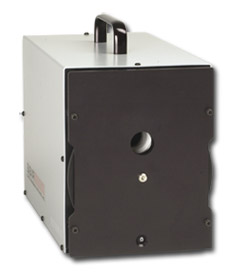
IR blackbodies are designed to produce a controlled infrared source with a known temperature and high, well-characterised emissivity. They are commonly used as reference sources when calibrating infrared cameras and sensors, providing a consistent target for checking measurement accuracy and system response.
The main focus is on controlling temperature and maintaining uniformity across the emitting surface. This makes blackbody systems particularly useful in laboratory and R&D environments where repeatable measurements and traceability are important.
Their role is different from that of a dynamic IR scene projector. A blackbody provides a stable reference rather than attempting to reproduce a changing thermal scene. This makes it a practical choice for calibration, verification, and performance testing where a known and repeatable infrared source is required.
Integration notes
Integration is generally straightforward, but the test setup still needs to be carefully controlled. The blackbody should be positioned and aligned consistently with the camera or sensor, while the surrounding environment should be considered to minimise unwanted radiation and reflections.
Temperature stability and calibration should also be maintained throughout the test programme. Ambient conditions, viewing geometry, distance, and atmospheric effects can all influence measurements depending on the application.
A common pitfall is treating the blackbody as a one-time calibration tool. For systems used regularly in R&D or production testing, calibration checks and maintenance should be incorporated into the wider measurement process to ensure results remain consistent over time.
FAQ’s
They are used to calibrate infrared cameras and sensors. This ensures accurate temperature measurement and repeatability. They are a key part of validation workflows.
They use controlled heating and surface design to ensure even temperature distribution. Emissivity is also carefully managed. This creates a consistent reference source.
Traceability ensures that measurements can be compared and verified. This is critical in research and validation environments. It supports reliable data.
No, they provide uniform output rather than complex scenes. For simulation, dynamic IR scene projectors are used. Each system serves a different purpose.
This depends on the application. Some systems cover ambient ranges, while others support higher temperatures. Selection should match the measurement needs.
They are typically mounted in controlled environments with direct alignment to the sensor. Stability and positioning are important. Integration is relatively straightforward.
Yes, regular checks are needed to ensure accuracy. This includes verifying temperature stability and calibration. Maintenance supports long-term reliability.