Camera housings for imaging systems
Protective enclosures for reliable camera operation
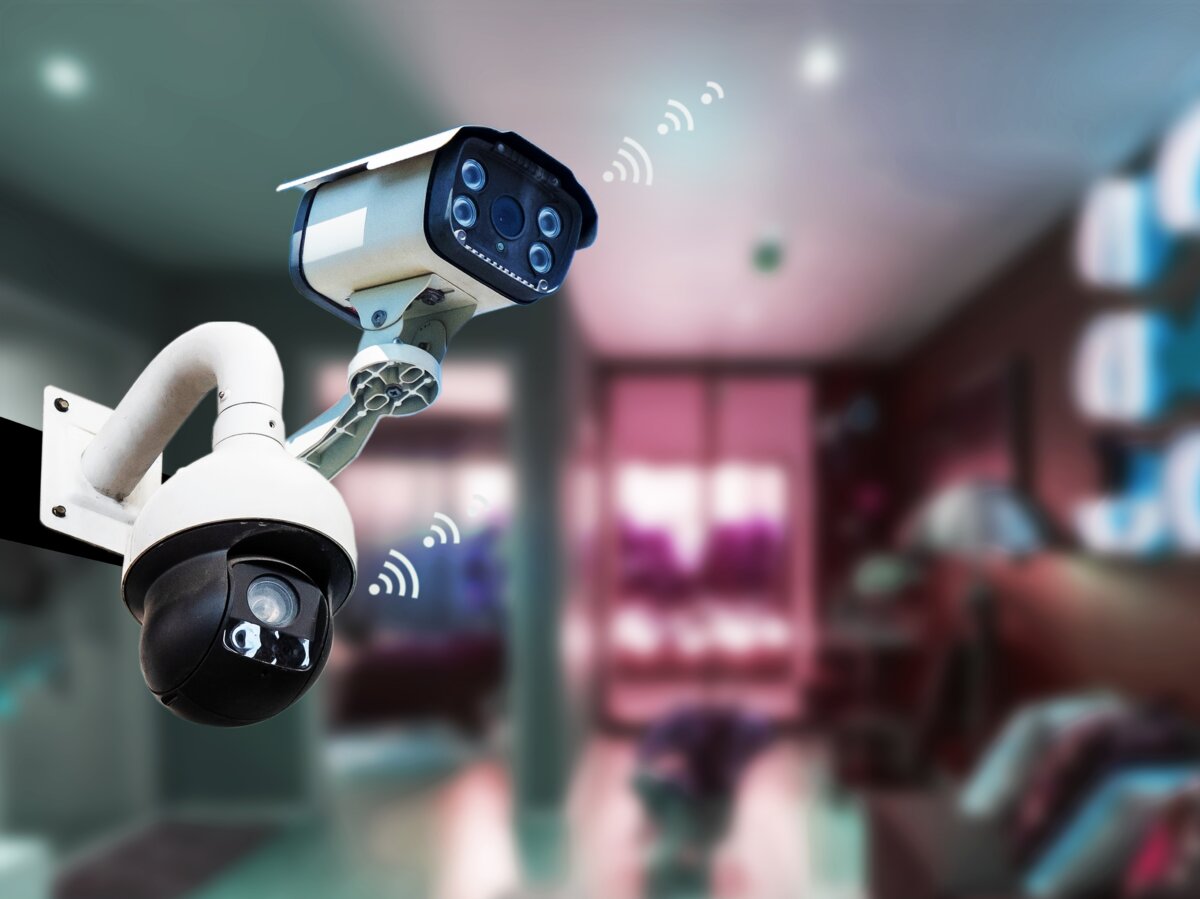
Camera housings provide an important layer of protection between an imaging system and the environment in which it operates. They help protect cameras from dust, moisture, temperature extremes, mechanical impact, and other environmental conditions that could affect performance or shorten equipment life.
By keeping sensitive camera components protected, the right housing can help maintain reliable operation and consistent image quality across industrial, laboratory, and outdoor applications.
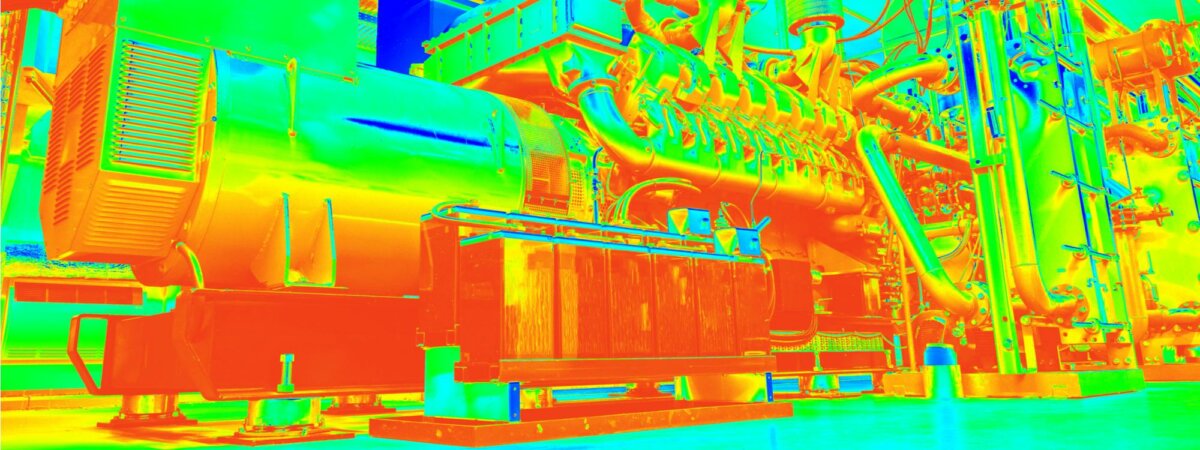
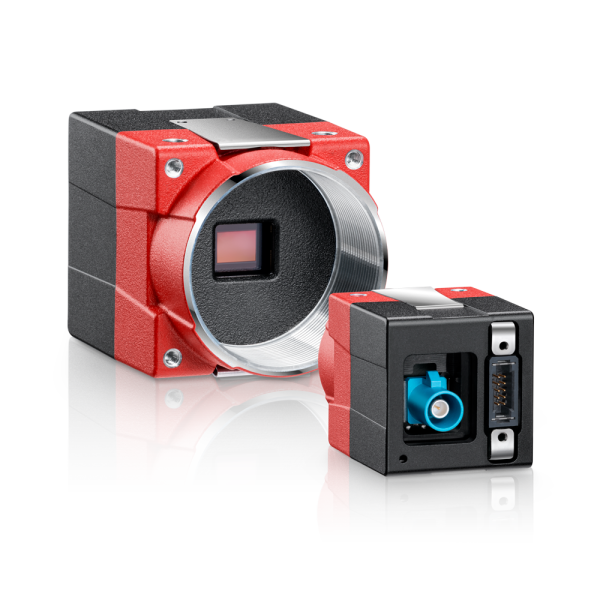
Our portfolio covers visible light camera housings and infrared (IR) camera housings, with each type designed around the optical and thermal requirements of the camera it protects. Choosing the right housing means considering more than just physical protection. Factors such as sealing, heat management, window materials, optical transmission, and mounting options all need to work together without compromising image quality.
The main difference between visible and IR camera housings is the material used for the optical window. Visible light systems can typically use materials such as glass or polycarbonate, while thermal imaging systems require specialised materials that allow infrared wavelengths to pass through efficiently. Getting this choice right is essential for maintaining the performance of the imaging system.
Do you want to know more about this technology? Try out our new Chatbot!
Catagory overview
Camera housings are engineered enclosures designed to protect imaging equipment while allowing it to operate effectively in its intended environment. They provide protection against factors such as dust, moisture, temperature changes, and physical impact, while the optical window must still allow the required wavelengths of light or infrared radiation to reach the camera.
For visible light cameras, housing windows are commonly made from glass or polycarbonate selected for good transmission across the visible spectrum. IR camera housings, however, require specialised window materials such as germanium or chalcogenide glass, depending on the infrared wavelength range being used.
These materials are not interchangeable. A window designed for visible light can significantly reduce or block the infrared signal required by a thermal camera, affecting image quality and system performance.
Thermal management is another important consideration, particularly for infrared systems. Changes in the internal temperature of a housing can create temperature gradients that affect camera calibration and image stability. Good housing design therefore needs to manage heat effectively while maintaining the required level of environmental protection.
Ultimately, the housing should be selected as part of the overall imaging system rather than as a standalone component. Its sealing, optical materials, thermal characteristics, and mounting arrangement all need to match the camera’s spectral range and operating conditions.
Key selection factors
- Spectral compatibility of window materials: Visible housings use standard optical materials, while IR housings require specialised windows; selecting the wrong material is a common pitfall.
- Ingress protection (IP rating): The level of sealing must match environmental conditions, such as dust, water exposure, or industrial contaminants.
- Thermal management strategy: Passive or active cooling may be required; IR systems are particularly sensitive to internal temperature variations.
- Mechanical robustness: Housing design must withstand vibration, impact, and environmental stress without affecting alignment or optics.
- Mounting and integration interfaces: Compatibility with camera modules and positioning systems is essential for stable operation.
- Application-specific constraints: Outdoor, industrial, or hazardous environments may require additional features such as heating, ventilation, or corrosion resistance.
We provide robust camera housing solutions designed to protect imaging systems in challenging environments, from controlled laboratory setups to harsh field conditions. Our portfolio includes configurable enclosures with expert support for integration, ensuring seamless compatibility with your cameras and control systems.
Explore our camera housings, refine your options through product search, or speak to our team about your protection and environmental requirements.
FAQs
They protect cameras from environmental factors such as dust, moisture, and temperature extremes. They also provide mechanical stability and mounting support. This ensures reliable operation in industrial and outdoor environments.
The main difference is the optical window material:
- Visible housings: glass or polycarbonate
- IR housings: specialised materials like germanium
Using the wrong material can block the imaging signal.
The window must transmit the relevant wavelengths without distortion or loss. Incorrect material selection can significantly reduce image quality. This is especially important for IR systems.
Yes, especially in environments with temperature variation. Thermal control helps maintain stable operation and image quality. IR systems are particularly sensitive to thermal effects.
Yes, many are designed for outdoor environments with appropriate sealing and protection. Features such as weatherproofing and corrosion resistance are important. The design must match the application.
Typical challenges include:
- Ensuring proper sealing
- Maintaining optical clarity
- Managing thermal conditions
These factors affect performance and reliability.
Yes, poor design or incorrect materials can degrade image clarity. Optical windows must be clean and properly aligned. Design quality directly impacts performance.
Typical issues include:
- Choosing incorrect window materials
- Ignoring thermal management
- Underestimating environmental conditions
These can lead to system failure or degraded performance.