Fibre Optics Solutions for Medical
Reliable optical connectivity for demanding medical device applications.
Fibre optics solutions for medical applications provide high-bandwidth, electrically isolated communication and sensing capabilities across a wide range of healthcare technologies. Selecting the right solution affects signal integrity, sterilisation compatibility and long-term reliability, particularly where equipment must operate consistently in clinical environments. In practice, this usually comes down to balancing optical performance with mechanical durability, biocompatible materials and integration requirements. Engineers must also consider connector design, cable flexibility and compliance with applicable medical device standards throughout the development process.
Do you want to know more about this technology? Try out our new Chatbot!
Technical overview
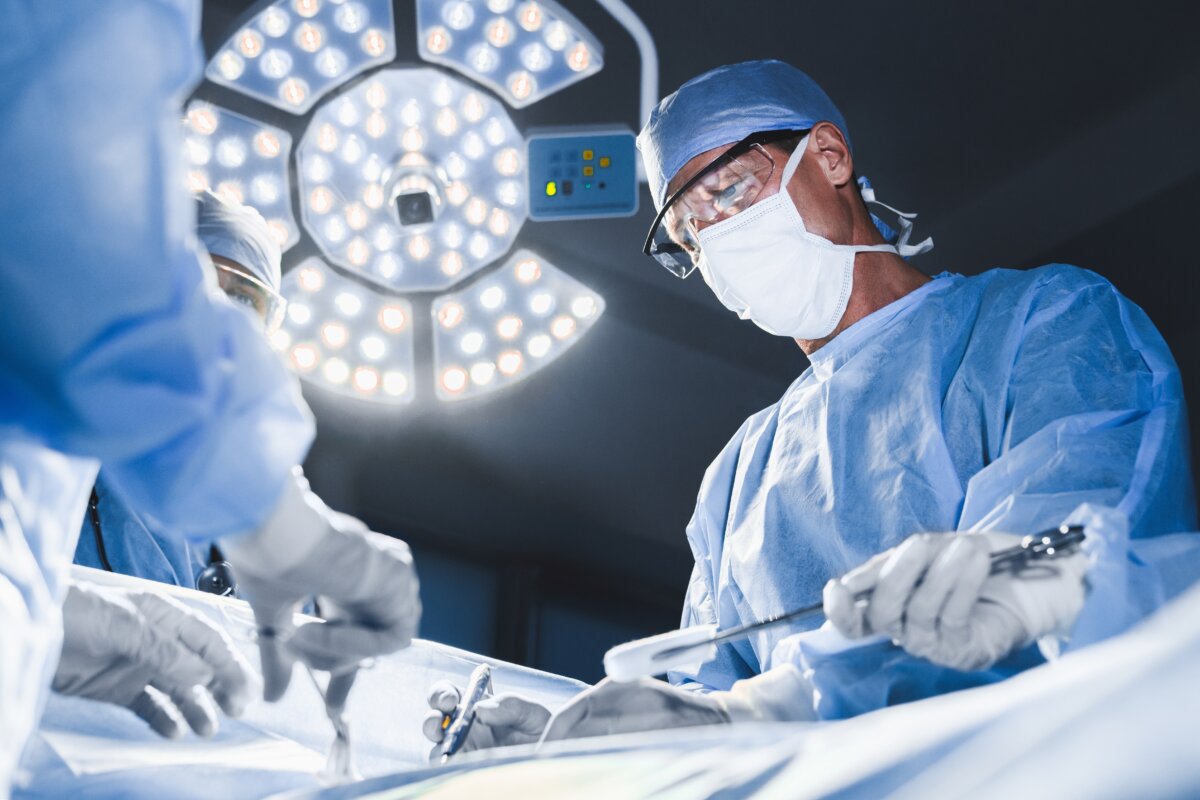
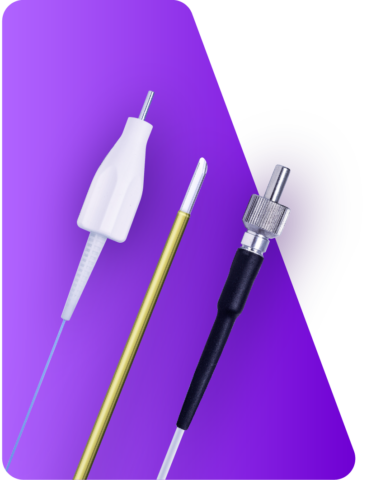
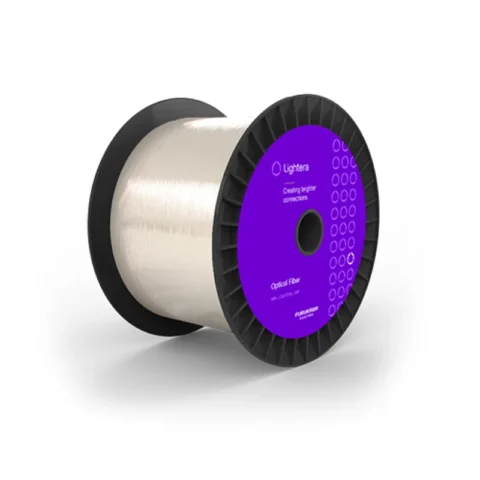
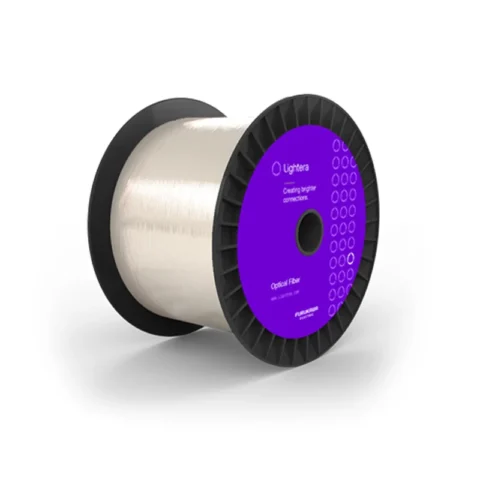
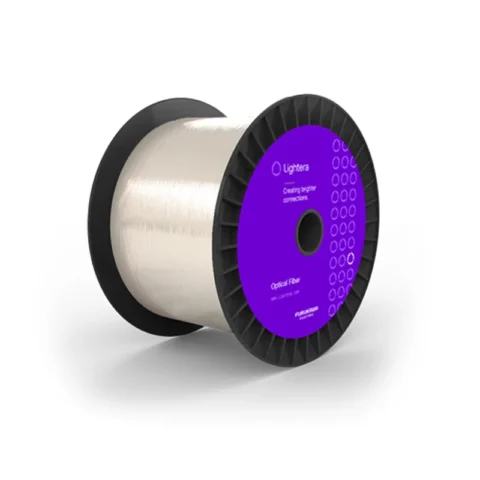
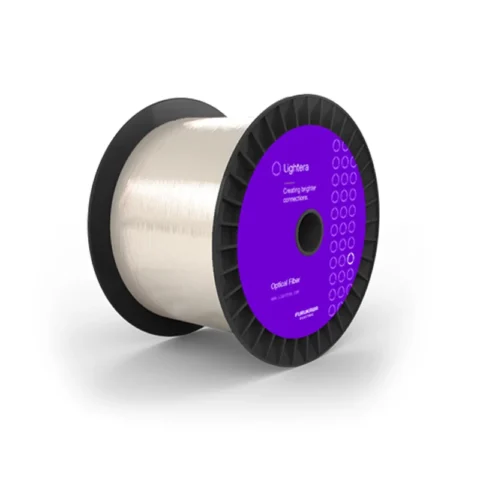
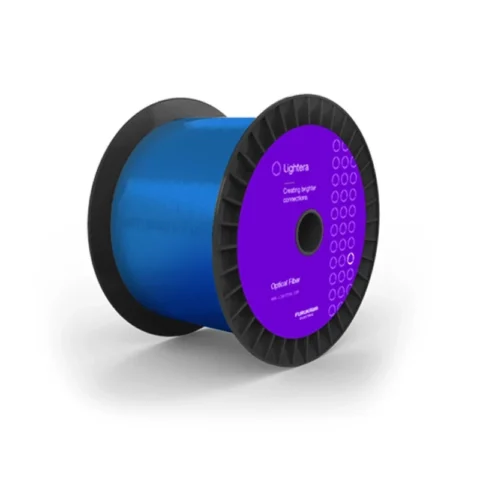
Medical fibre optic systems typically combine optical fibres, connectors, cable assemblies and associated components into an integrated solution tailored to the application. Depending on the system architecture, fibre optics may support data transmission, imaging, sensing, illumination or laser delivery while providing immunity to electromagnetic interference and electrical isolation. Integration often requires careful consideration of mechanical packaging, connector durability, sterilisation methods and compatibility with electronic subsystems. Typical applications include diagnostic imaging equipment, surgical systems, patient monitoring, endoscopy, laboratory instrumentation and medical laser platforms, where reliability and consistent performance are essential throughout the product lifecycle.
Key selection factors
- Optical performance – Match the fibre type, wavelength range and connector configuration to the application’s transmission, sensing or imaging requirements.
- Sterilisation compatibility – Confirm that cable materials, connectors and protective components are suitable for the intended cleaning or sterilisation processes without compromising performance.
- Mechanical flexibility – Cable diameter, bend radius and strain relief should suit the installation environment. A common trade-off is achieving high flexibility while maintaining long-term mechanical durability.
- Environmental resilience – Consider resistance to moisture, cleaning agents, repeated handling and mechanical wear throughout the expected service life.
- Regulatory and lifecycle requirements – Evaluate documentation, traceability and support for medical device development alongside applicable standards and approval processes.
- System integration – A common pitfall is selecting optical components independently of the surrounding electronics, enclosure design and assembly process, resulting in unnecessary redesign later.
Integration notes
Medical fibre optic assemblies should be considered alongside the complete device architecture rather than as standalone components. Mechanical packaging, thermal management around optical sources, connector accessibility and cable routing all influence long-term reliability. Although optical fibres are immune to electromagnetic interference, EMC design remains important for surrounding electronic systems and interfaces. Watch out for repeated bending or excessive strain near connector terminations, as this can reduce assembly life over time. Verification, validation and lifecycle planning should reflect the intended clinical environment, maintenance requirements and applicable regulatory pathway.
FAQs on Fibre Optics Solutions for Medical
Fibre optics solutions for medical applications use optical fibres to transmit light or data within medical devices and healthcare equipment. They are commonly used where reliable signal transmission, electrical isolation or precise light delivery is required.
Fibre optic technology offers several characteristics that support modern medical equipment design.
- Immunity to electromagnetic interference
- Electrical isolation between subsystems- Support for high-speed data and optical transmission
These characteristics make fibre optics suitable for many diagnostic, therapeutic and monitoring applications.
Medical fibre optic technology is widely used in endoscopy, diagnostic imaging, surgical equipment, laboratory instrumentation and medical laser systems. The specific optical architecture depends on the function of the device and its clinical environment.
Selection depends on optical performance, sterilisation compatibility, mechanical durability and integration with the wider system. Material selection, connector design and lifecycle requirements should all be evaluated early in the development process.
Many fibre optic assemblies are designed using materials compatible with common cleaning and sterilisation methods, although suitability depends on the specific process being used. Engineers should verify compatibility with the intended sterilisation regime during product development rather than assuming all assemblies perform identically.
Successful integration depends on considering both optical and mechanical requirements.
- Cable routing within compact enclosures
- Connector accessibility for assembly and servicing
- Compatibility with surrounding electronic systems
Addressing these considerations early can reduce redesign effort during later development stages.
Well-designed optical assemblies help maintain stable performance throughout repeated operation and handling. Reliability depends on appropriate component selection, controlled assembly processes and validation under expected operating conditions.
Engineers should assess the complete application rather than selecting components in isolation. Optical requirements, environmental conditions, regulatory considerations, manufacturing constraints and long-term lifecycle support all contribute to selecting appropriate fibre optics solutions for medical applications.