Fibre Optics for Industrial Communications and Control
Reliable optical networks for industrial automation and control systems.
Fibre optics for industrial communications and control provide robust, high-speed connectivity between machines, controllers and network infrastructure in demanding operating environments. Choosing the right fibre optic solution affects network availability, signal integrity and long-term maintenance, particularly where electrical noise, distance or harsh conditions challenge conventional copper networks. In practice, this usually comes down to balancing optical performance, environmental resilience and compatibility with existing industrial communication architectures. Engineers should also consider connector selection, cable protection and future network expansion when developing industrial systems.
Do you want to know more about this technology? Try out our new Chatbot!
Technical overview
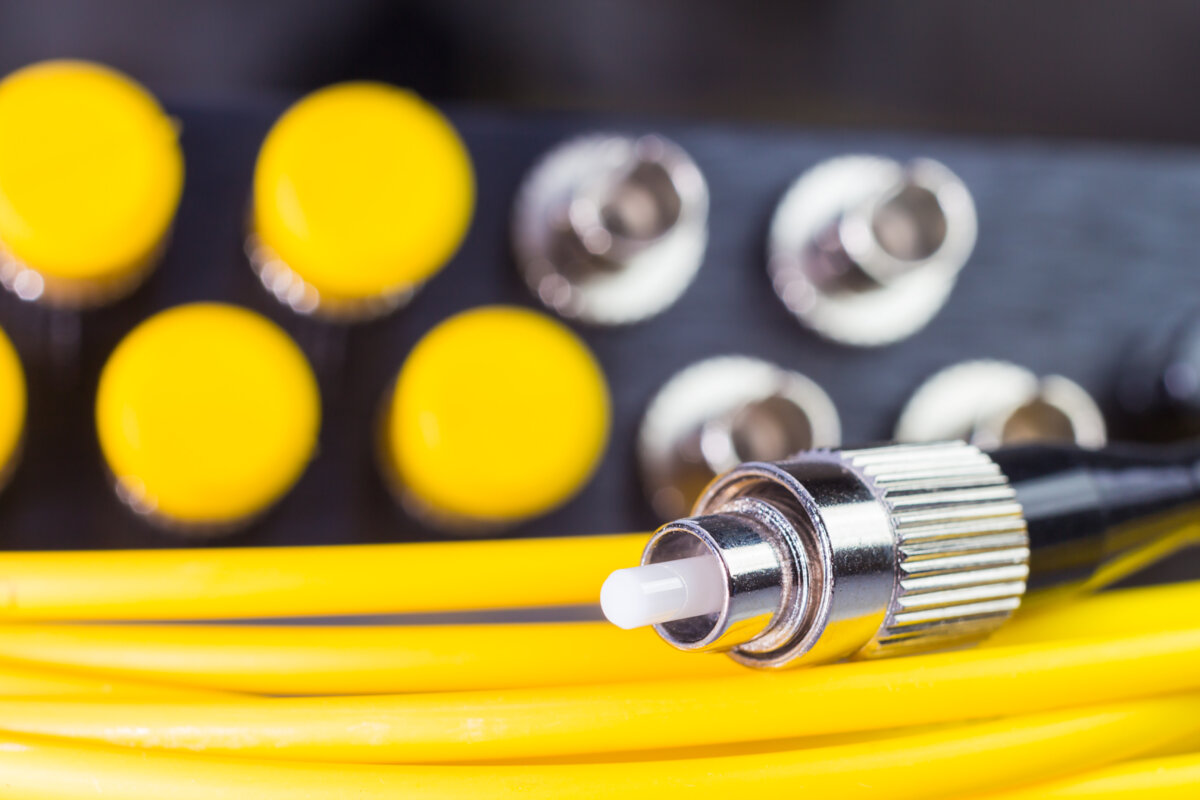
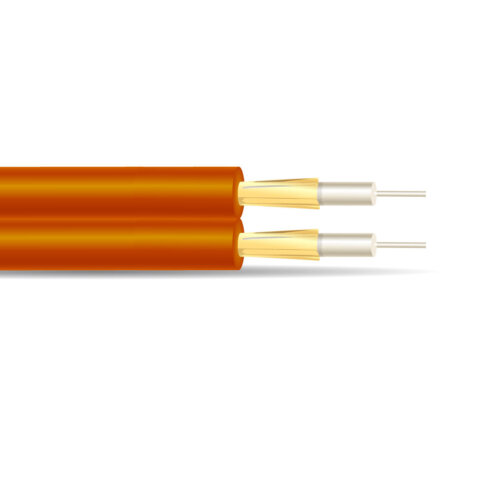
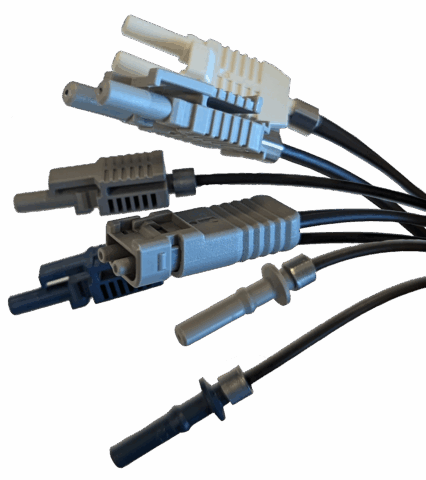
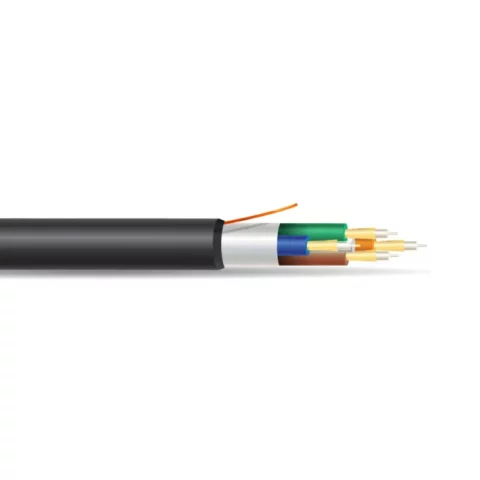
Industrial fibre optic systems typically integrate optical cable assemblies, connectors, transceivers and networking hardware to support reliable communications across factory automation, process control and critical infrastructure. Fibre optics provide immunity to electromagnetic interference while supporting long transmission distances and high data throughput, making them well suited to electrically noisy industrial environments. System design often requires coordination between network topology, control equipment, mechanical installation and maintenance requirements to achieve dependable operation. Typical applications include PLC networks, industrial Ethernet, robotics, machine vision, SCADA systems, energy infrastructure, transportation and manufacturing facilities where continuous communications are essential.
Key selection factors
- Network compatibility – Ensure fibre type, connector interfaces and communication hardware are compatible with the selected industrial network architecture and communication protocol.
- Environmental protection – Evaluate temperature, vibration, moisture, dust and chemical exposure to determine appropriate cable construction and connector protection.
- Optical performance – Match bandwidth, transmission distance and attenuation requirements to the application while allowing sufficient design margin for future expansion.
- Mechanical installation – Cable routing, bend radius and connector accessibility influence reliability throughout the installation lifecycle. A common trade-off is improving mechanical protection while increasing installation complexity.
- Maintenance strategy – Select assemblies that simplify inspection, replacement and fault diagnosis without introducing unnecessary downtime.
- Lifecycle planning – A common pitfall is specifying components that satisfy current requirements but limit future system upgrades, network expansion or long-term product support.
Integration notes
Successful integration depends on treating the fibre optic network as part of the complete automation system rather than an isolated communications link. Mechanical routing, enclosure design, connector accessibility and cable protection all contribute to reliable long-term operation. Although fibre optics are immune to electromagnetic interference, EMC considerations remain important for connected electronic equipment, power distribution and network hardware. Watch out for poor cable management or excessive bend radius violations during installation, as these can reduce optical performance and complicate maintenance. Testing, commissioning and lifecycle planning should reflect the operational environment and expected maintenance practices.
Why our portfolio is right for you
Our engineering teams support the specification and integration of fibre optic technologies for industrial communications and control, helping align network performance with environmental, mechanical and lifecycle requirements.
FAQs on Fibre Optics for Industrial Communications and Control
Fibre optics for industrial communications and control provide optical communication links between automation equipment, controllers and industrial network infrastructure. They enable reliable data transmission in environments where electrical interference, long cable runs or demanding operating conditions make conventional cabling less suitable.
Fibre optic technology offers several practical advantages for industrial networking.
- Immunity to electromagnetic interference
- Support for long-distance communication
- High bandwidth for data-intensive applications
These characteristics help maintain reliable communications across complex industrial installations.
Fibre optics are widely deployed in factory automation, robotics, process control, SCADA systems, industrial Ethernet networks, transportation infrastructure and energy facilities. The specific network architecture depends on operational requirements, equipment interfaces and communication protocols.
Selection should consider optical performance, environmental conditions, connector compatibility and integration with existing network infrastructure. Long-term maintenance, lifecycle support and future expansion should also form part of the engineering evaluation.
Fibre optics eliminate susceptibility to electromagnetic interference and support stable communication across electrically noisy environments. Overall system reliability also depends on appropriate installation, mechanical protection and ongoing maintenance throughout the equipment lifecycle.
Successful deployment requires attention to several practical engineering considerations.
- Network architecture and protocol compatibility
- Cable routing and connector accessibility
- Mechanical protection in demanding environments
Addressing these factors during the design stage can simplify commissioning and future maintenance.
Many industrial fibre optic networks can be designed with future capacity in mind, allowing additional equipment or communication links to be incorporated as operational requirements evolve. Planning connector locations, cable routes and network architecture early helps minimise disruption during expansion.
Engineers should evaluate the complete communications system rather than individual components in isolation. Network topology, environmental exposure, installation constraints, maintenance strategy and lifecycle objectives all contribute to selecting appropriate fibre optics for industrial communications and control.