Fibre Optics for Data Centre & Communications
High-performance optical infrastructure for scalable network connectivity.
Fibre optics for data centre and communications applications provide the high-bandwidth, low-latency connectivity needed to support modern computing, storage and network infrastructure. Selecting the right fibre optic solution influences network performance, scalability and operational reliability, particularly as data rates and system density continue to increase. In practice, this usually comes down to balancing bandwidth requirements, cable management and future expansion with installation constraints. Engineers should also consider connector compatibility, optical loss budgets and long-term maintainability when designing communications infrastructure.
Do you want to know more about this technology? Try out our new Chatbot!
Technical overview
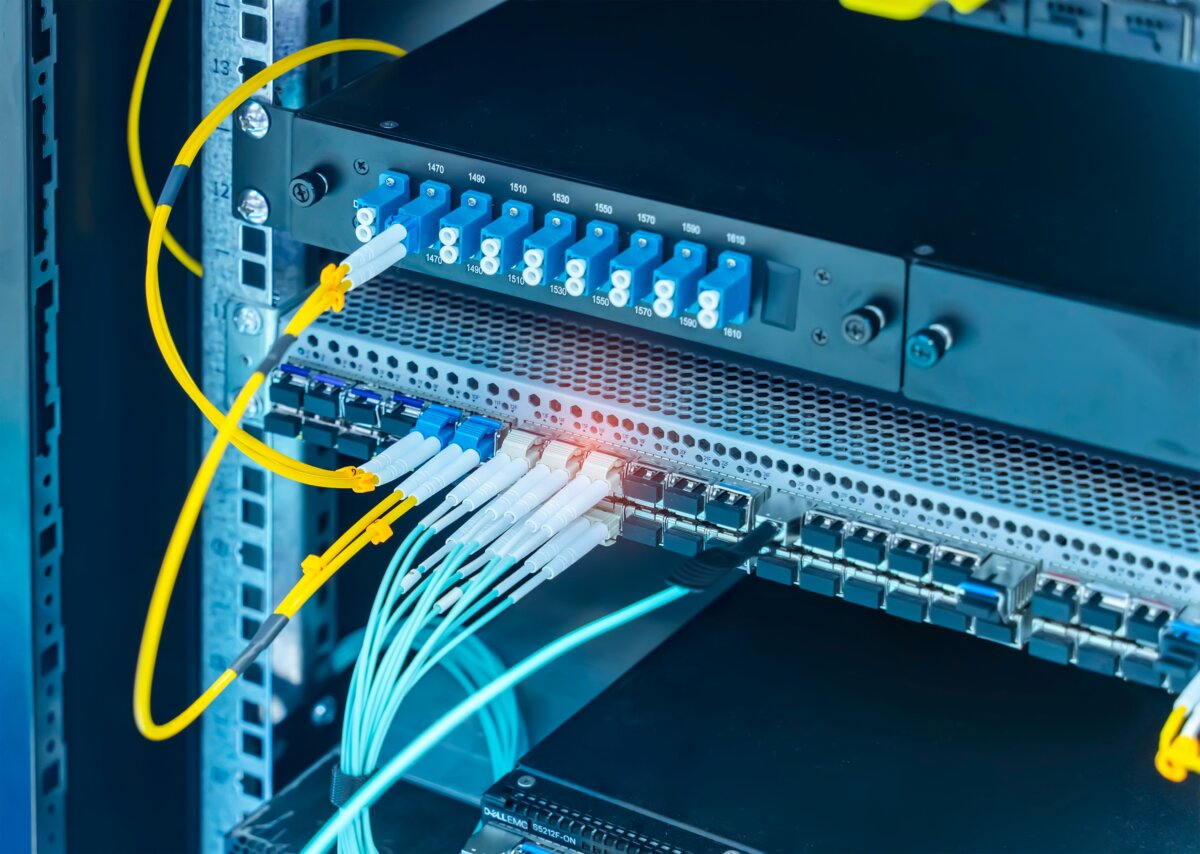
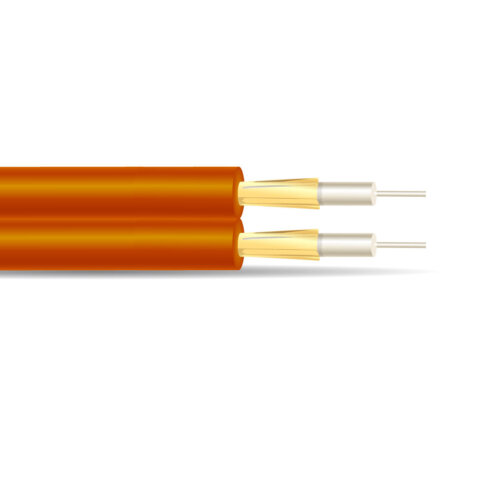
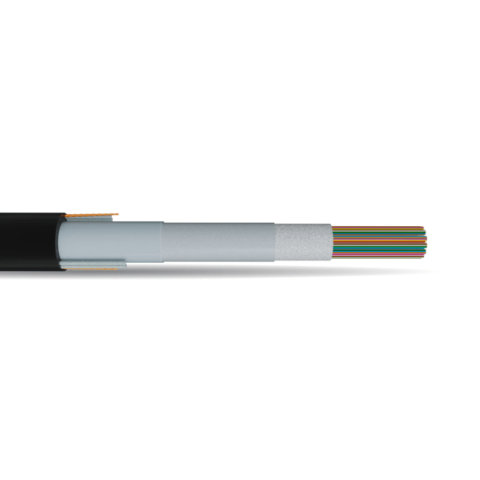
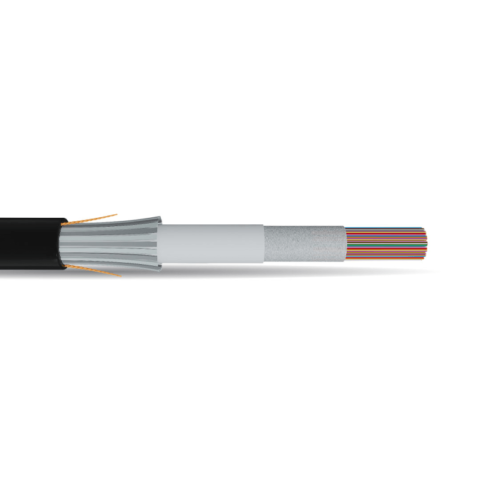
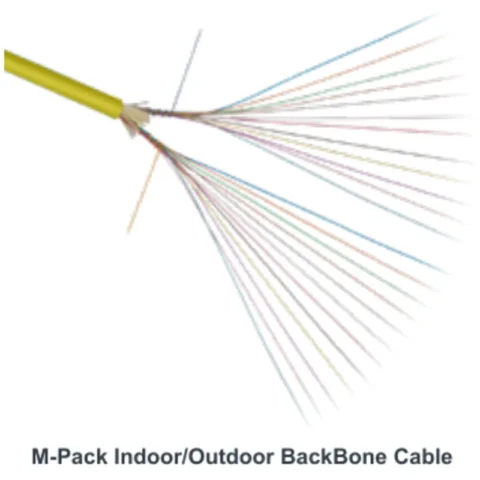
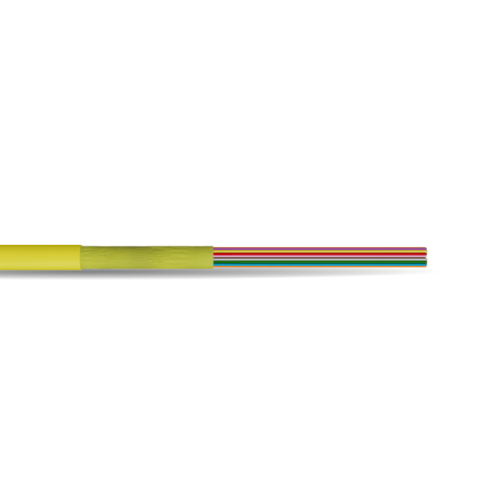
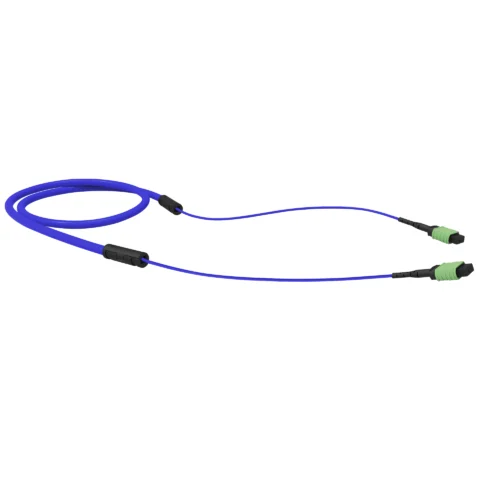
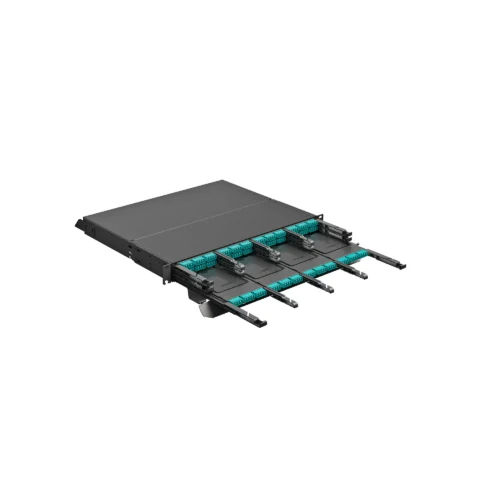
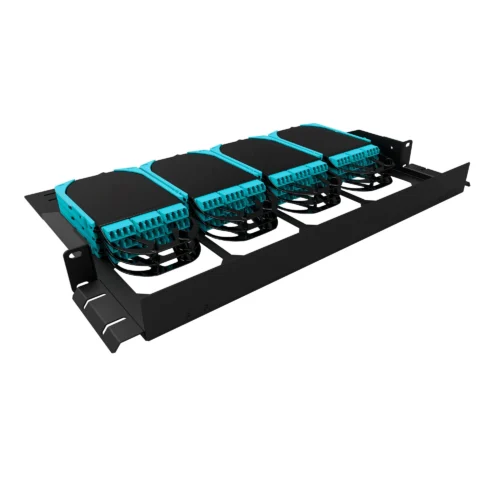
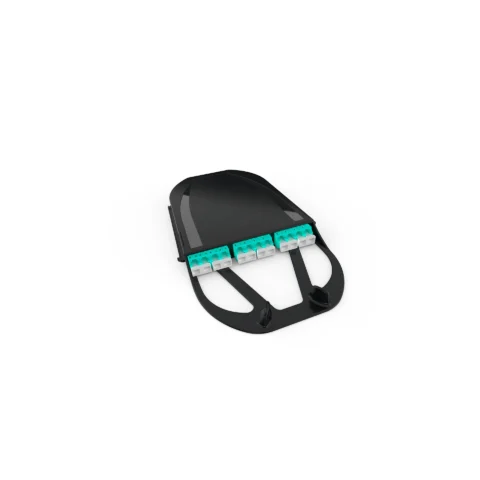
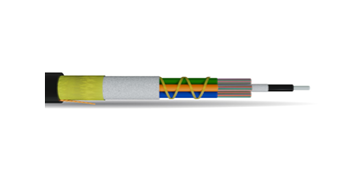
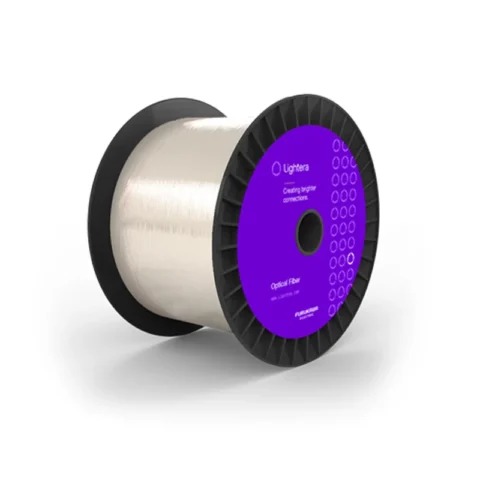
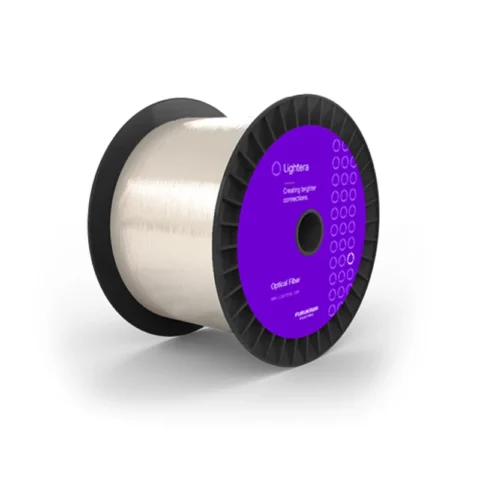
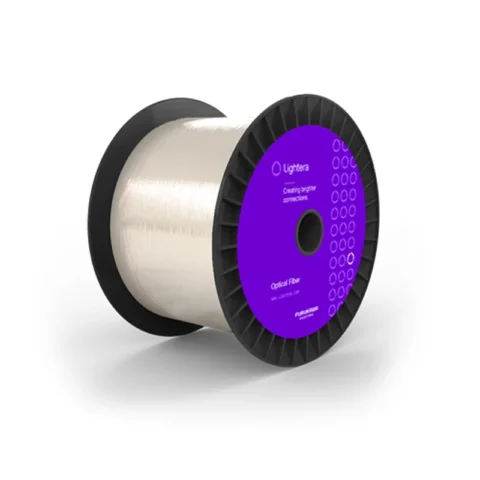
Data centre fibre optic systems typically combine optical fibre, cable assemblies, connectors, transceivers and structured cabling infrastructure into an integrated network architecture. Fibre optics support high-speed communication between servers, switches, storage systems and external networks while providing the bandwidth and transmission distances required by modern enterprise and cloud environments. System design requires careful coordination between physical infrastructure, network topology and equipment interfaces to ensure efficient deployment and future scalability. Typical applications include enterprise data centres, hyperscale facilities, telecommunications infrastructure, edge computing, cloud platforms and high-performance computing environments where reliable, high-capacity connectivity is essential.
Key selection factors
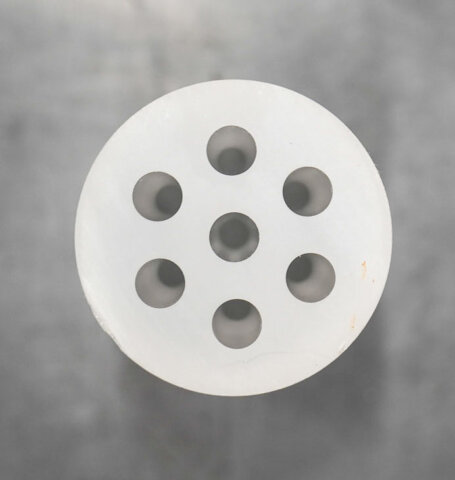
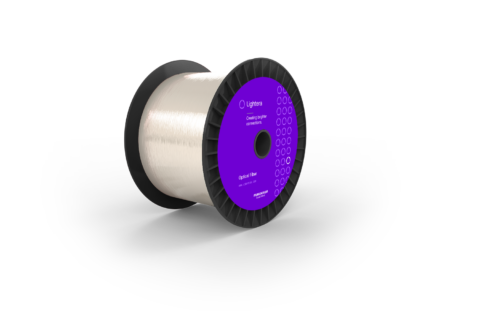
- Bandwidth and transmission requirements – Select fibre type and optical infrastructure that support current network speeds while allowing capacity for future upgrades.
- Connector compatibility – Ensure connector formats, transceivers and cabling systems are compatible with existing network equipment and structured cabling standards.
- Optical loss management – Evaluate insertion loss, return loss and link budgets throughout the complete optical path to maintain reliable communication performance.
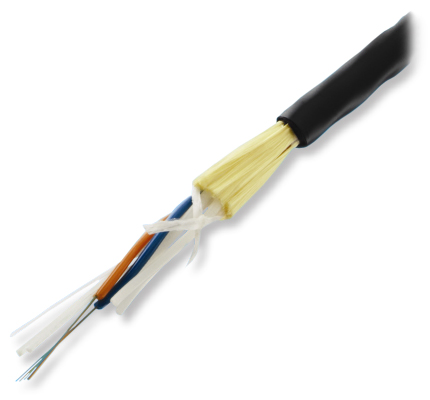
- Cable management – Routing density, bend radius and accessibility all influence installation quality and future maintenance. A common trade-off is maximising rack density while maintaining serviceability.
- Scalability – Design infrastructure that supports future equipment expansion, technology migration and increased network capacity without unnecessary disruption.
- Lifecycle considerations – A common pitfall is optimising for initial installation while overlooking maintenance access, cable identification and long-term operational flexibility.
Integration notes
Successful fibre optic deployment depends on considering the complete physical and network infrastructure rather than individual components alone. Cable routing, patch panel design, airflow management and connector accessibility all contribute to reliable long-term operation. Although fibre optics are immune to electromagnetic interference, EMC considerations remain important for active networking equipment, power distribution and surrounding electronic systems. Watch out for excessive cable congestion or poor bend radius control within high-density racks, as these can complicate maintenance and affect optical performance. Commissioning, testing and documentation should support both immediate deployment and future network expansion.
Why our portfolio is right for you
Our engineering teams support the specification and integration of fibre optic technologies for data centre and communications infrastructure, helping align optical connectivity with performance, scalability and lifecycle requirements.
Fibre optics for data centre and communications applications provide high-speed optical links between networking equipment, storage platforms and computing infrastructure. They form the foundation of modern communication networks where high bandwidth, low latency and reliable data transmission are required.
Fibre optic technology offers several advantages for modern network design.
- High bandwidth for increasing network demands
- Support for longer transmission distances
- Immunity to electromagnetic interference
These characteristics help maintain reliable performance across complex network environments.
Both single-mode and multimode fibre are widely used, depending on transmission distance, network architecture and equipment compatibility. The appropriate choice depends on current application requirements as well as future network expansion plans.
Selection should consider bandwidth, connector compatibility, optical loss budgets and physical installation constraints. Long-term scalability, maintenance access and structured cabling design are equally important when developing resilient communications infrastructure.
Well-designed optical infrastructure allows additional servers, storage systems and networking equipment to be integrated with minimal disruption. Planning capacity, cable routing and patching strategies early can simplify future technology upgrades.
Several practical engineering considerations influence successful deployment.
- High-density cable routing and management
- Connector accessibility for maintenance
- Compatibility with active networking equipment
Addressing these factors during the design stage can reduce installation complexity and simplify future expansion.
Testing verifies that optical links meet the required performance before systems enter service. Inspection, insertion loss measurement and documentation all contribute to reliable network operation and simplify future troubleshooting.
Engineers should evaluate the complete network architecture rather than selecting individual components independently. Fibre type, connector systems, optical performance, structured cabling design, lifecycle planning and future scalability all contribute to selecting appropriate fibre optics for data centre and communications applications.