EOIR camera modules (VIS/LWIR)
Combined visible and thermal modules for fused situational awareness
Electro-optical infrared (EOIR) camera modules combine visible-light and long-wave infrared (LWIR) imaging into a single integrated system. By capturing both standard visual imagery and thermal data at the same time, they provide a more complete view of a scene, making them ideal for applications where thermal imaging alone does not provide enough context.
In real-world use, EOIR modules allow users to see both what an object looks like and how it behaves thermally. This combination improves detection, identification, and decision-making in environments where visibility, temperature variation, or changing lighting conditions are important factors.
From an engineering perspective, integrating visible and thermal sensors into one module introduces additional system-level considerations. Accurate sensor synchronisation, optical alignment between the visible and thermal channels, and efficient image processing are all critical to achieving reliable fused imaging performance.
Compared with standalone LWIR or SWIR camera modules, EOIR systems are less focused on optimising a single spectral range and more focused on combining multiple sensing technologies into a cohesive imaging platform. The result is richer image data and improved situational awareness for applications that rely on both visual detail and thermal insight.
Do you want to know more about this technology? Try out our new Chatbot!

Why our portfolio is right for you
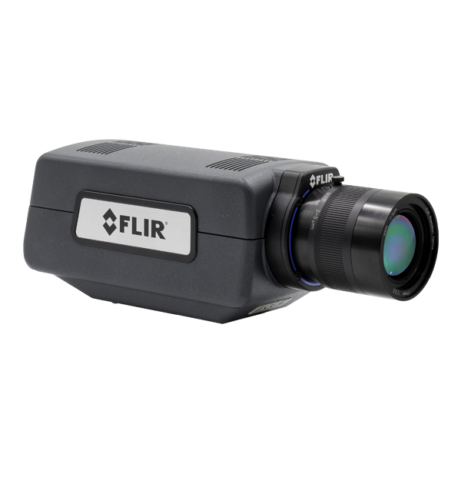
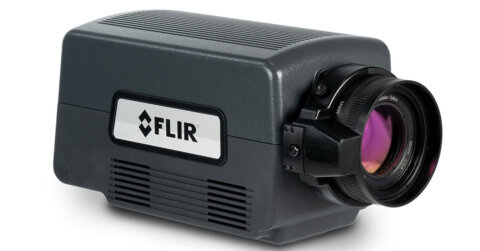
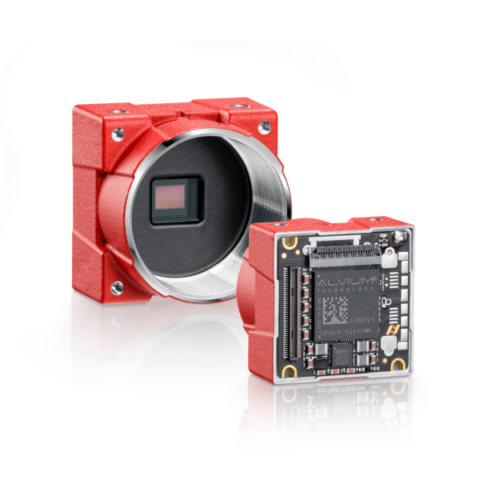
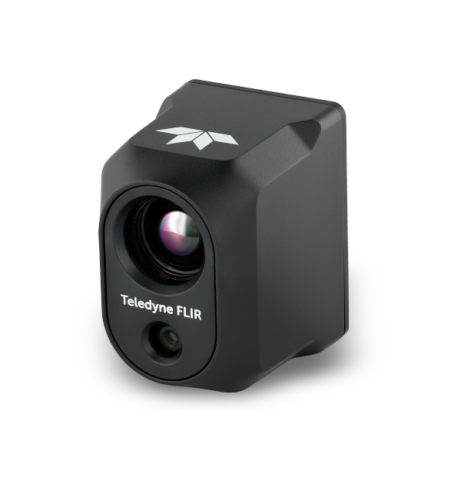
Our EOIR camera module portfolio combines visible and thermal imaging in a single, integration-ready solution, enabling effective multi-sensor fusion for improved situational awareness.
These modules support simultaneous LWIR thermal capture and visible-light imaging, making them well suited to applications such as surveillance, security, industrial inspection, and scientific imaging. Designed with OEM integration in mind, they offer compact form factors, stable calibration, and flexible interface options to simplify system design.
With a balance of performance and integration simplicity, the portfolio includes options optimised for alignment, synchronisation, and onboard processing. Backed by engineering expertise, we can support selection, integration, and customisation to help tailor EOIR solutions to specific application needs.
Key selection factors
- Fusion vs separate outputs: Some EOIR camera modules provide pre-fused imagery, while others output independent visible and LWIR streams; choosing between them affects downstream processing requirements.
- Sensor alignment accuracy: Mechanical and optical alignment between VIS and LWIR channels is critical; misalignment can degrade fusion quality and detection reliability.
- Application-driven sensor balance: Compared with standalone LWIR camera modules, EOIR systems trade simplicity for richer context, especially in surveillance or navigation tasks.
- Optical system design: Dual-channel optics require careful selection of materials and fields of view; a common pitfall is mismatched FOV between visible and thermal channels.
- Environmental performance: LWIR components handle thermal contrast well in darkness, while visible channels depend on ambient light or illumination, influencing system behaviour across conditions.
- System complexity vs alternatives: EOIR modules are more complex than LWIR or SWIR camera modules, so they are typically chosen when multi-sensor capability clearly outweighs integration overhead.
Technical overview
EOIR camera modules (VIS/LWIR) combine a visible-light sensor with an LWIR thermal sensor in a single integrated platform, providing both detailed visual imagery and thermal contrast. By combining these two imaging paths, EOIR systems deliver greater scene awareness than thermal imaging alone. These modules typically use mechanically aligned sensors with synchronised outputs or fused imagery processing built in. Unlike standalone LWIR modules, EOIR systems must manage both reflected visible light and emitted thermal radiation, requiring separate optics and calibration methods for each channel.
Compared with MWIR camera modules, which prioritise maximum thermal sensitivity, EOIR modules focus on combining complementary data sources to improve overall scene understanding. This makes them well suited to applications such as surveillance, autonomous systems, and industrial monitoring, where both visual context and thermal detection are important.
Integration notes
EOIR camera modules (VIS/LWIR) bring together two imaging pipelines, visible and thermal, each with its own sensor, optics, and processing chain. These systems typically output either synchronised video streams or separate channels that need to be aligned in software during integration. From a mechanical standpoint, maintaining stable alignment between the two sensors is critical, particularly in environments exposed to vibration or temperature variation. Even small shifts can affect image overlay accuracy between the visible and thermal views.
A frequent challenge is calibration. When precise fusion between visible and thermal imagery is required, it’s easy to underestimate the level of calibration effort needed to keep both channels accurately registered over time.
Compared with LWIR-only modules, EOIR systems place higher demands on processing power and data bandwidth due to the dual-stream nature of the output. Unlike MWIR-focused systems, where thermal performance is the primary concern, EOIR integration requires equal attention to both visible and thermal imaging paths.
FAQ’s
They are used in applications where both visual context and thermal detection are required. This includes surveillance, border monitoring, autonomous systems, and industrial inspection. The combination allows detection and identification in a single system.
EOIR modules combine visible and thermal sensors, while LWIR camera modules provide only thermal imaging.
-
EOIR: dual-channel, higher system complexity, richer data
-
LWIR: single-channel, simpler integration, focused thermal sensing EOIR is chosen when context matters as much as detection.
SWIR camera modules are used for reflected IR imaging and material-specific applications. EOIR modules are preferred when combining visible imagery with thermal detection is more important than spectral analysis. The choice depends on whether the task requires fusion or specialised IR sensing.
Not always. Some modules output fused images directly, while others provide separate visible and LWIR streams for external processing. The choice depends on system architecture and processing capability.
Typical challenges include:
-
Maintaining precise alignment between sensors
-
Synchronising image streams
-
Managing increased data bandwidth These factors directly affect system performance and usability.
Calibration is critical for accurate overlay and consistent performance. Differences in optics, sensor position, and thermal drift can lead to misalignment if not properly managed. Regular calibration may be required depending on the application.
Yes, the LWIR channel operates independently of visible light and can detect thermal signatures in total darkness. However, the visible channel will require illumination to provide meaningful data. The system’s usefulness in darkness depends on how fusion is implemented.
They can be integrated into embedded platforms, but require more resources than single-sensor modules. Processing power, bandwidth, and thermal management must be considered carefully. In constrained systems, standalone LWIR camera modules may be a simpler alternative.