High-speed cameras for R&D
Precision imaging for high-speed measurement and analysis
High-speed cameras enable engineers and researchers to capture events that occur too quickly for the human eye or conventional cameras to observe. By recording thousands—or even millions—of frames per second, they reveal transient phenomena in exceptional detail, allowing accurate visualisation, measurement, and analysis of fast-moving processes.
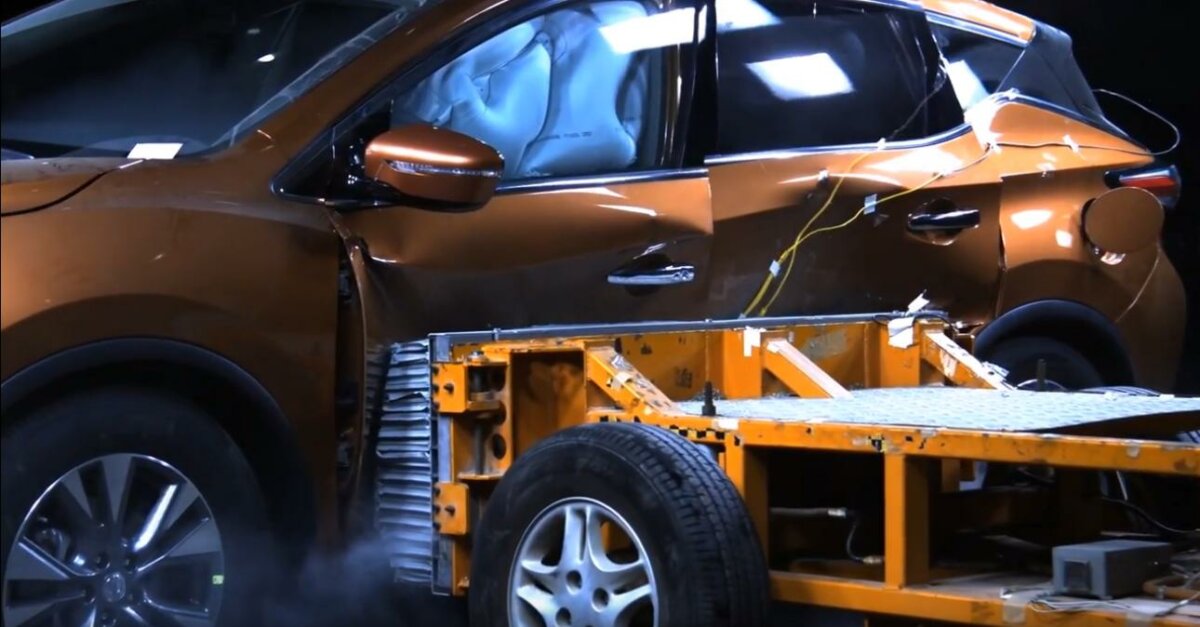
Used throughout research and development, high-speed cameras support applications ranging from impact testing and fluid dynamics to electronics, manufacturing, automotive, aerospace, and defence. Beyond producing slow-motion video, they provide valuable measurement data that helps engineers understand failure mechanisms, optimise designs, validate simulations, and improve product performance.
Selecting the right high-speed camera requires balancing application-specific requirements such as frame rate, resolution, recording duration, light sensitivity, storage capacity, lens compatibility, triggering options, and software analysis capabilities. Our imaging specialists can help you select and integrate the right solution, ensuring your camera delivers the performance your project demands.
Our imaging experts can guide you from product selection to technology integration to ensure you succeed in your project.
Do you want to know more about this technology? Try out our new Chatbot!
Catagory overview
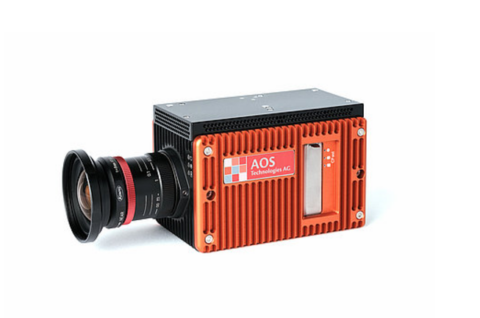
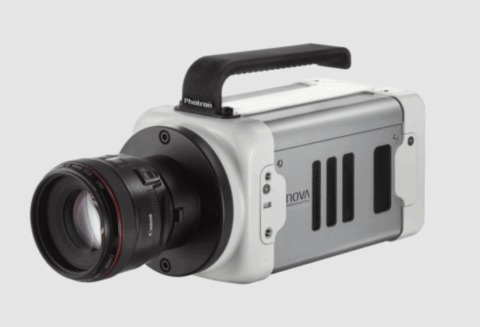
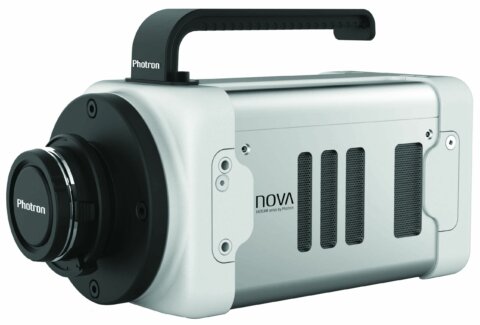
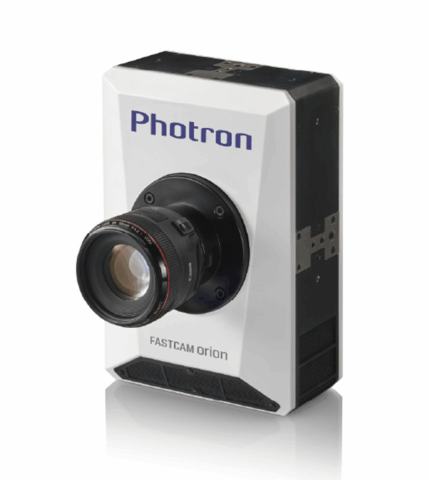
High-speed cameras are designed to capture rapid events by recording images at frame rates far beyond those of conventional video cameras. Depending on the application, systems may operate from several hundred frames per second (fps) to well over one million fps, enabling engineers to analyse events that occur in microseconds.
Performance is determined by several interconnected factors. Increasing frame rate typically reduces image resolution, while shorter exposure times require greater illumination to maintain image quality. Modern high-speed cameras combine high-performance CMOS sensors, fast onboard memory, precision triggering, and high-bandwidth data transfer to capture and store large volumes of image data without compromising accuracy.
Many systems also offer advanced synchronisation with external sensors, data acquisition systems, lasers, and test equipment, making them suitable for laboratory research, product validation, and automated testing environments. Combined with motion analysis software, image processing tools, and measurement capabilities, high-speed cameras become powerful diagnostic instruments rather than simply video recording devices.
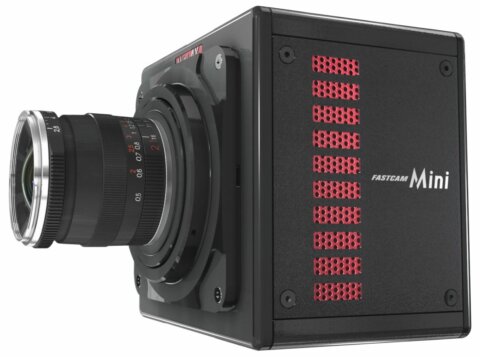
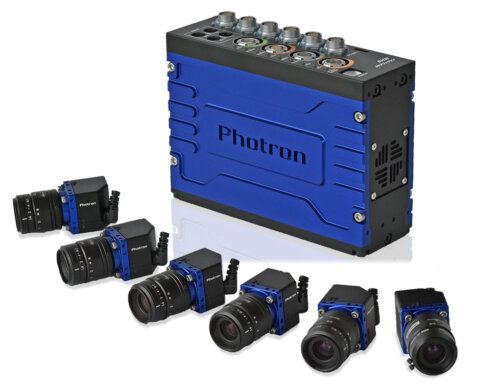
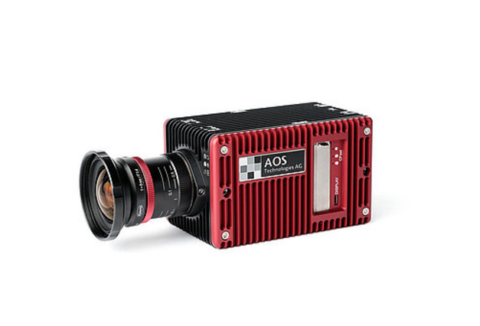

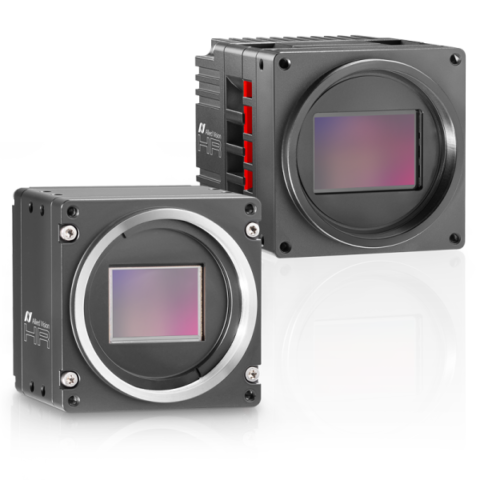
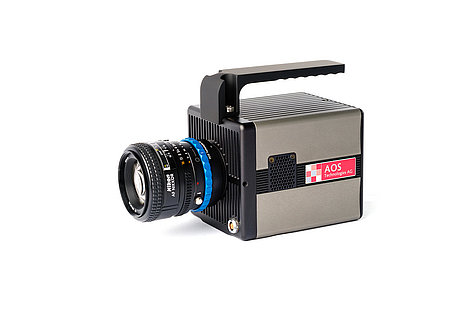
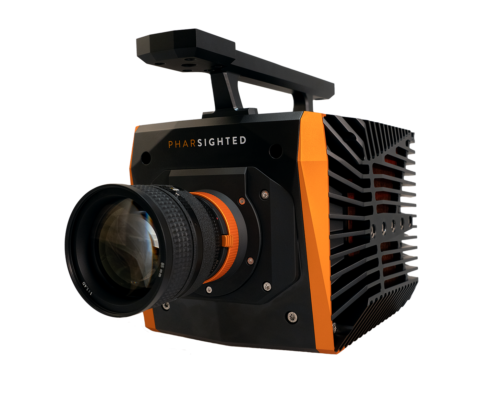
Key selection factors
When selecting a high-speed camera, engineers should consider:
- Frame rate – Is the camera fast enough to capture the event without motion blur?
- Resolution – What level of image detail is required for accurate measurement?
- Exposure time and light sensitivity – Can the camera capture sharp images under available lighting conditions?
- Recording duration and onboard memory – How long does the event last, and how much data must be stored?
- Sensor size and pixel size – Influences image quality, field of view, and lens selection.
- Triggering and synchronisation – Does the camera integrate with sensors, DAQ systems, PLCs, or test equipment?
- Lens compatibility – Can the optics achieve the required magnification and working distance?
- Software and analysis tools – Does the system support motion tracking, dimensional measurement, or automated analysis?
- Environmental requirements – Does the camera require protective housing for industrial, automotive, or outdoor testing?
- Data transfer and workflow – Consider download speed, storage requirements, and compatibility with existing workflows.
FAQ’s
The required frame rate depends on how quickly the event occurs. Faster events require higher frame rates to accurately capture movement without missing critical details.
Most high-speed cameras reduce resolution as frame rate increases. The ideal camera provides sufficient spatial resolution while still achieving the frame rate needed to analyse your event.
Very short exposure times minimise motion blur but require more light. Selecting the right exposure is essential for obtaining sharp, measurable images.
Because exposure times are extremely short, high-speed imaging often requires powerful continuous LED lighting, xenon illumination, or laser-based lighting depending on the application.
Memory determines how long you can record before data must be downloaded. Applications involving longer events or higher resolutions generally require larger memory capacity.
Yes. Most R&D cameras support hardware triggering and synchronisation with DAQ systems, sensors, oscilloscopes, lasers, robotics, and other measurement equipment for precise time correlation.
High-speed cameras are widely used in automotive testing, aerospace, defence, electronics development, materials research, fluid dynamics, manufacturing, biomechanics, sports science, and university research.
Start by defining your application’s required frame rate, image resolution, event duration, lighting conditions, lens requirements, triggering needs, environmental conditions, and analysis software. Balancing these factors ensures you select a system that delivers accurate, reliable measurement data rather than simply high-speed video.