Fibre Optic Sensing
Optical sensing for precise measurement in demanding environments.
Fibre optic sensing uses optical fibres to measure physical parameters such as temperature, strain, pressure, displacement and vibration across a wide range of industrial and scientific applications. Selecting the appropriate sensing technology directly affects measurement accuracy, environmental resilience and system integration. In practice, this usually comes down to balancing sensing range, response time and installation constraints with the operating environment. Engineers should also consider interrogation methods, fibre routing and long-term stability when designing fibre optic sensing systems.
Do you want to know more about this technology? Try out our new Chatbot!
Technical overview
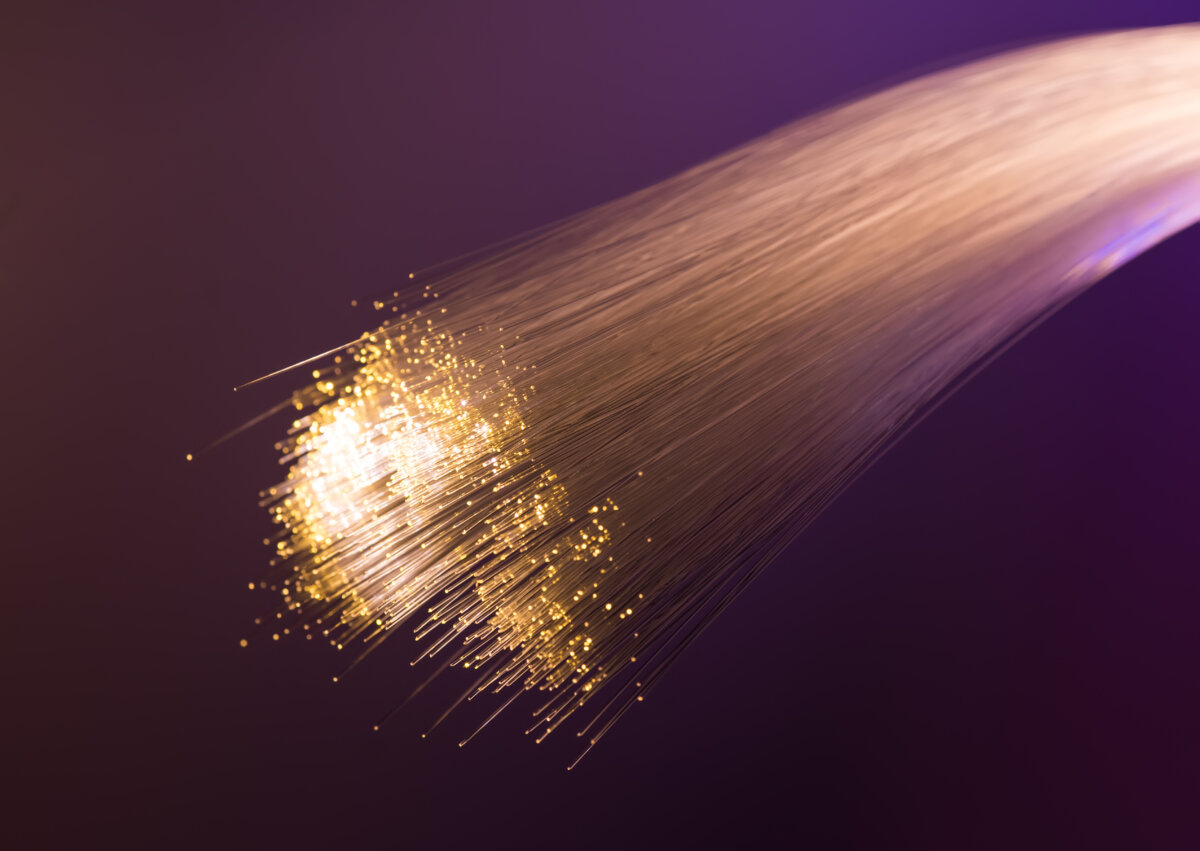
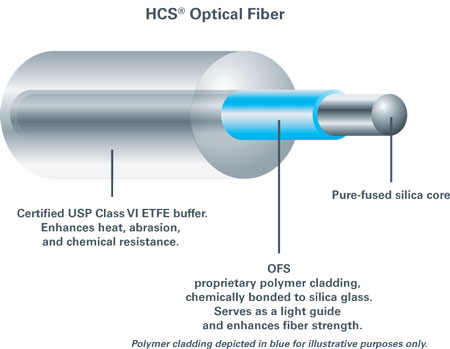
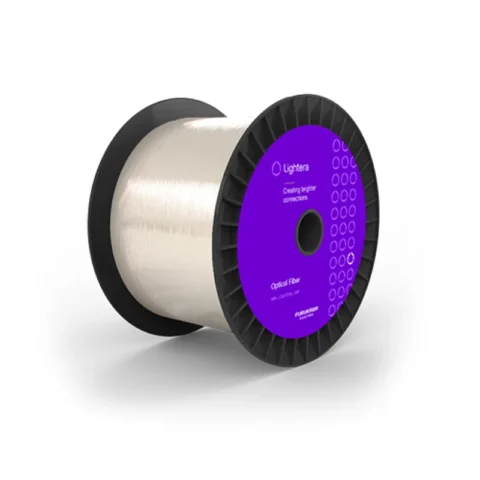
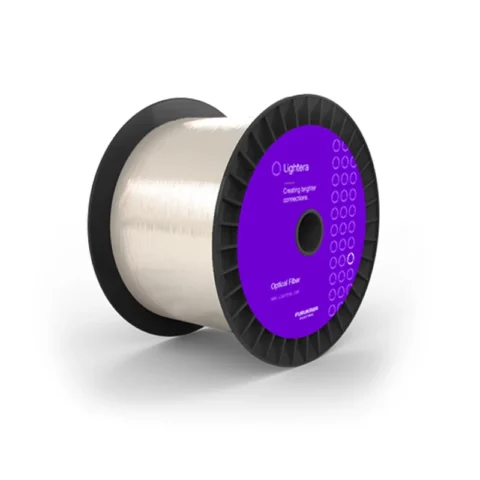
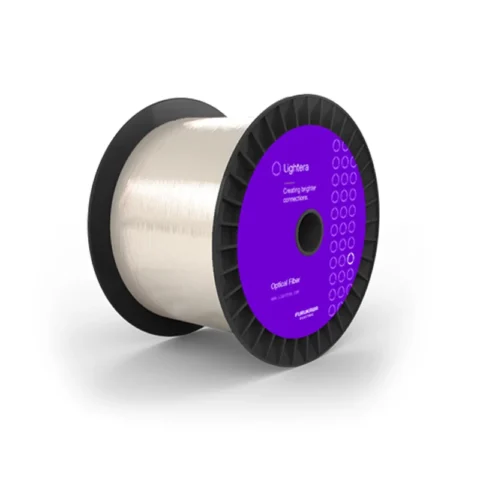
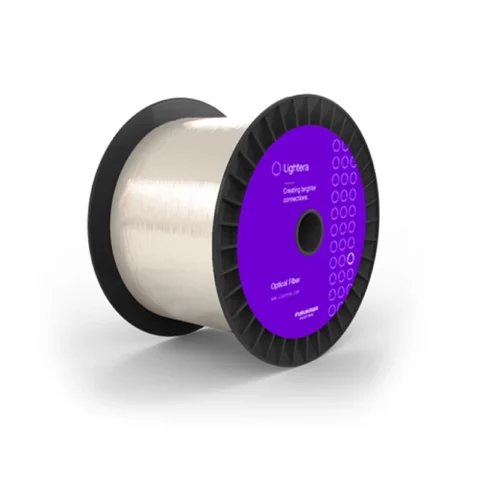
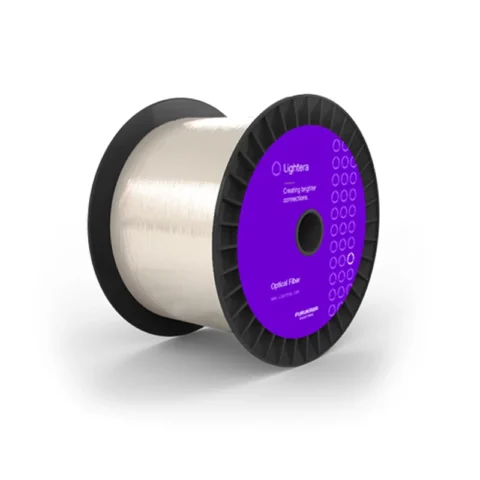
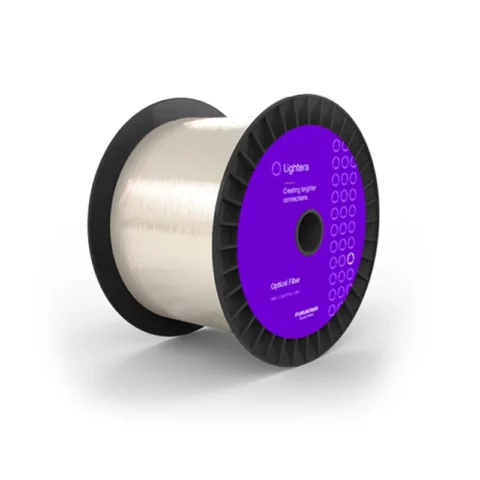
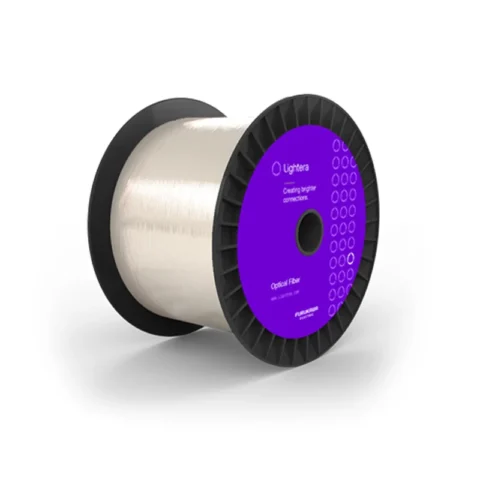
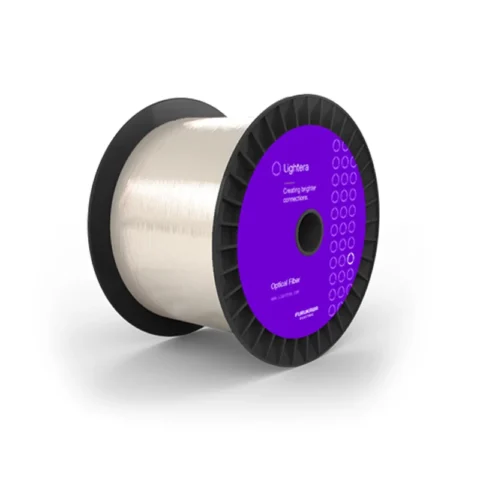
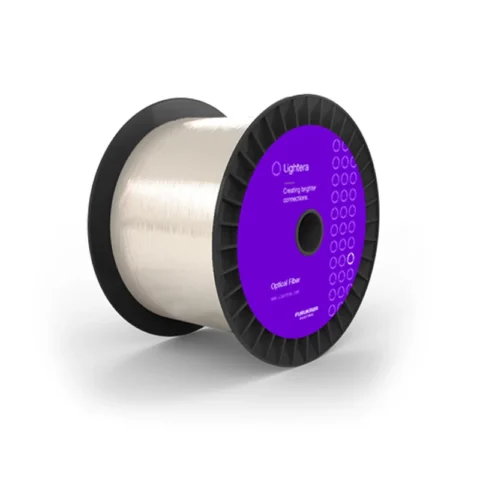
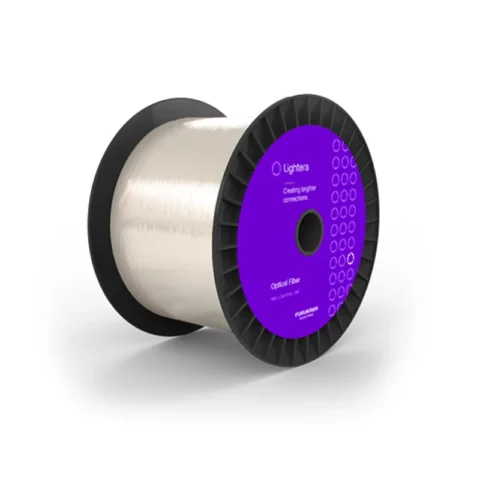
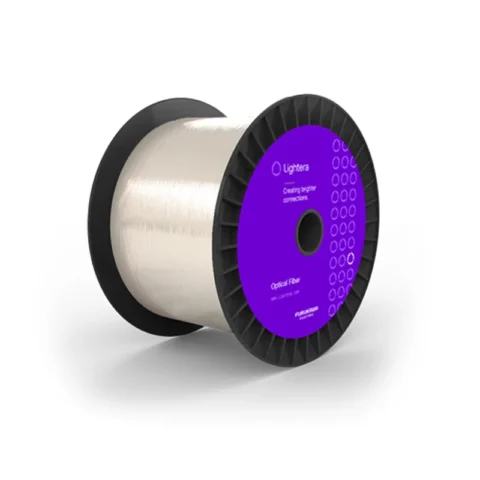
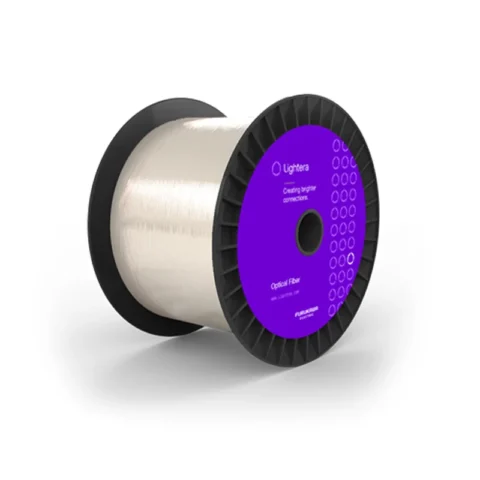
A fibre optic sensing system typically consists of optical fibres, sensing elements, interrogators, connectors and signal processing hardware that work together to convert physical changes into measurable optical signals. Depending on the sensing technique, measurements may be taken at a single point or distributed continuously along the fibre, providing valuable information across large structures or complex installations. System design requires consideration of optical losses, sensor placement, network architecture and environmental influences alongside compatibility with existing monitoring and control systems. Typical applications include structural health monitoring, energy infrastructure, aerospace, transportation, industrial automation, oil and gas facilities and scientific research where conventional electrical sensors may present practical limitations.
Key selection factors
- Measurement requirements – Define the physical parameter, sensing range, resolution and response characteristics required for the application before selecting the sensing technology.
- Environmental suitability – Evaluate temperature, vibration, moisture, chemicals and electromagnetic conditions to ensure the sensing solution matches the operating environment.
- Sensor architecture – Choose between point sensing and distributed sensing based on the measurement objective. A common trade-off is balancing system complexity with the amount of data required.
- Interrogator compatibility -: Confirm that the sensing technology integrates with suitable interrogation equipment, communication interfaces and data acquisition systems.
- Installation strategy -: Fibre routing, mounting methods and protection all influence long-term measurement stability and maintenance requirements.
- Lifecycle planning -: A common pitfall is focusing on initial sensor performance while overlooking calibration, maintenance access and future system expansion.
Integration notes
Successful fibre optic sensing installations require careful coordination between the sensing hardware, mechanical design and system software. Fibre routing, connector protection and environmental sealing all contribute to measurement stability throughout the operational lifecycle. Although fibre optic sensors are immune to electromagnetic interference, EMC design remains important for interrogation units, communication interfaces and associated electronic equipment. Watch out for excessive mechanical stress or tight bend radii during installation, as these can influence long-term sensor performance. Validation, calibration and lifecycle planning should reflect the application’s operating conditions and maintenance strategy.
Why our portfolio is right for you
Our engineering teams support the specification and integration of fibre optic sensing technologies, helping align sensing performance with system architecture, environmental conditions and long-term operational requirements.
FAQs on Fibre Optic Sensing
Fibre optic sensing uses optical fibres to detect changes in physical conditions by monitoring variations in transmitted or reflected light. The technology supports measurement of parameters such as temperature, strain, pressure, vibration and displacement across many industrial applications.
Fibre optic sensing offers several characteristics that make it suitable for demanding environments.
- Immunity to electromagnetic interference
- Support for remote and distributed measurements
- Operation in electrically noisy environments
These advantages make it particularly valuable where conventional electrical sensors may be difficult to deploy.
Depending on the sensing technology, fibre optic systems can monitor temperature, strain, pressure, vibration, displacement and other physical parameters. The choice of sensing method depends on the application, required accuracy and installation environment.
Point sensors measure conditions at specific locations, while distributed sensing provides measurements continuously along the length of the optical fibre. The appropriate approach depends on whether localised measurements or continuous monitoring across large assets is required.
Fibre optic sensing is widely used in infrastructure monitoring, aerospace, transportation, industrial automation, energy, oil and gas, scientific research and process industries. Applications are selected according to measurement objectives, environmental conditions and system integration requirements.
Several practical factors influence successful deployment.
- Fibre routing and mechanical protection
- Interrogator integration with existing control systems
- Installation and long-term maintenance access
Addressing these factors early helps improve measurement reliability throughout the system lifecycle.