Fibre Optics for Aerospace & Defence Applications
High-reliability optical connectivity for mission-critical environments.
Fibre optics for aerospace and defence applications enable high-speed data transmission, secure communications and reliable sensing in platforms where weight, environmental resilience and signal integrity are critical design considerations. Selecting the right fibre optic solution influences system performance, maintainability and long-term operational reliability across demanding mission profiles. In practice, this usually comes down to balancing optical performance with mechanical robustness, environmental protection and integration constraints. Engineers must also consider connector durability, qualification requirements and lifecycle support when specifying fibre optic systems.
Do you want to know more about this technology? Try out our new Chatbot!
Technical overview
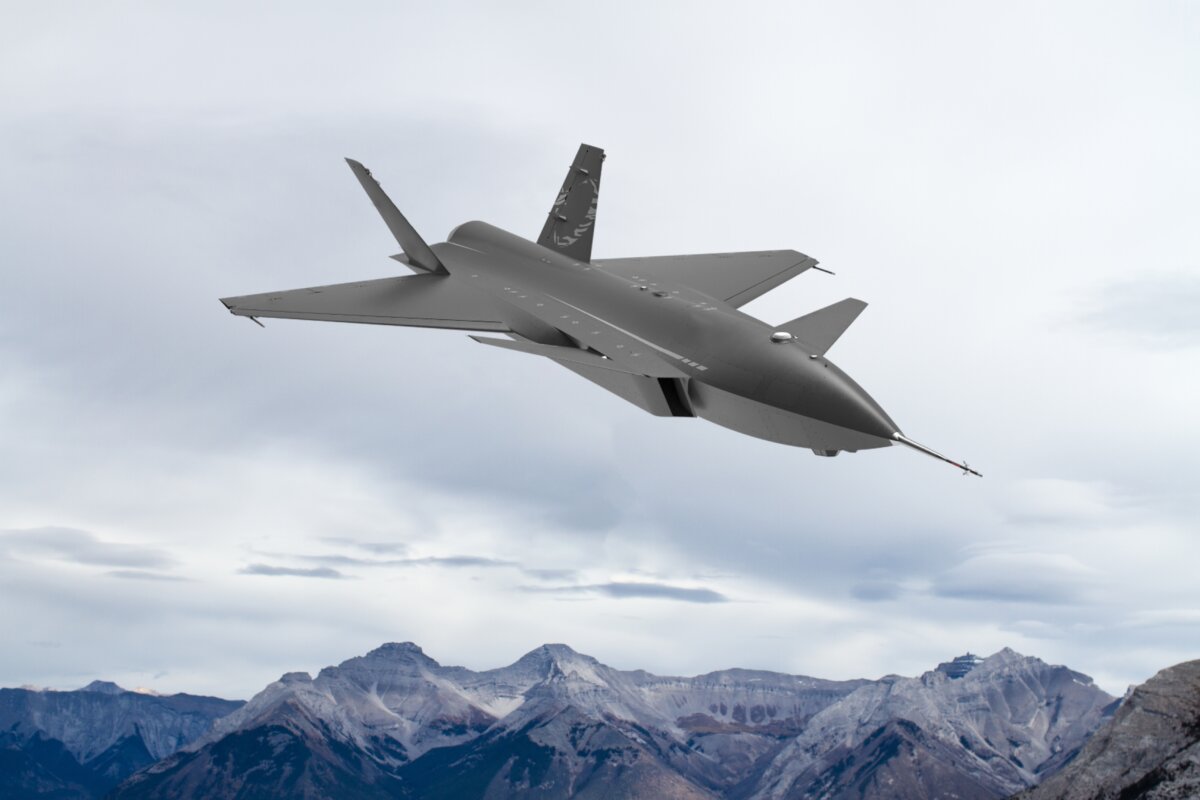
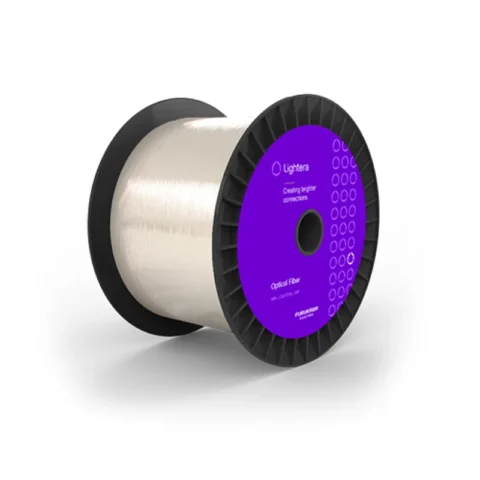
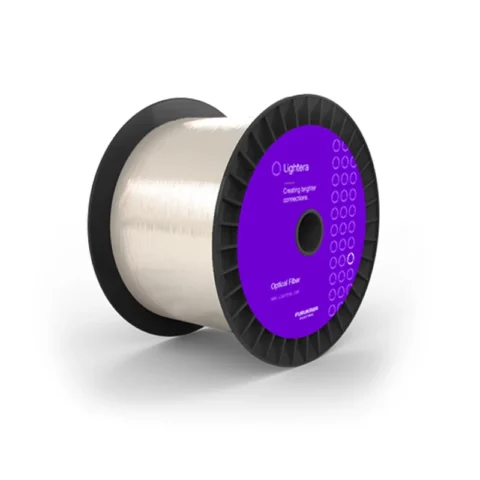
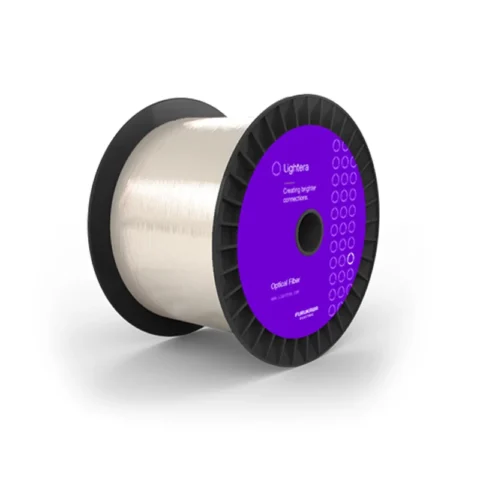
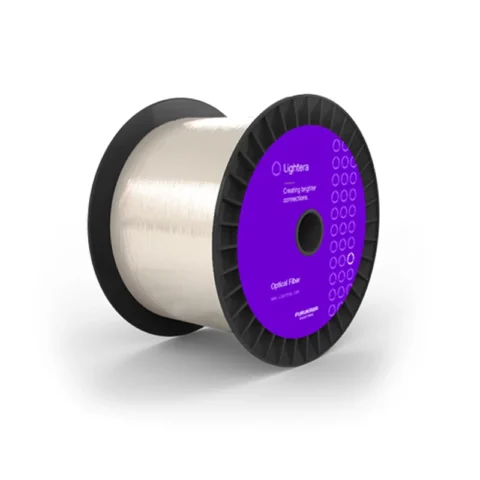
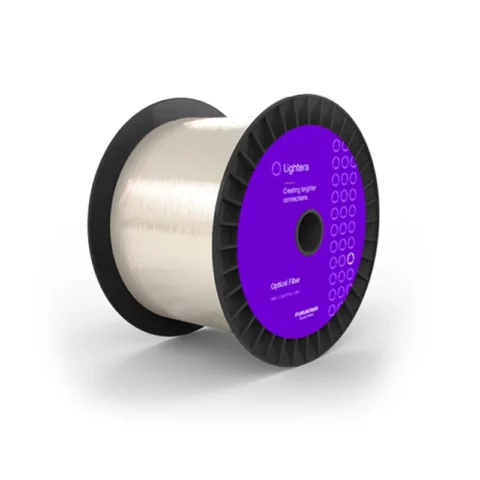
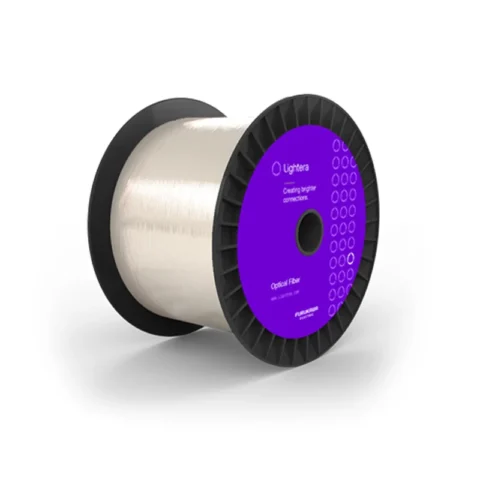
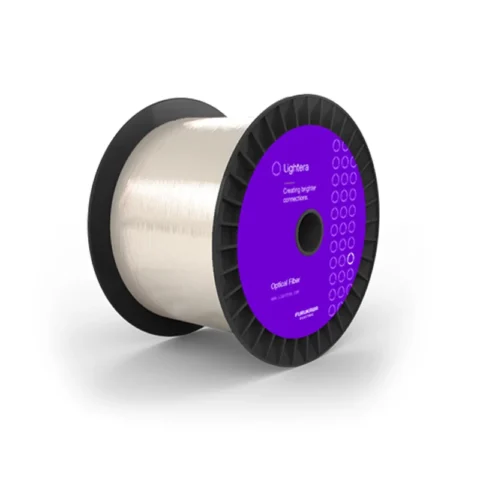
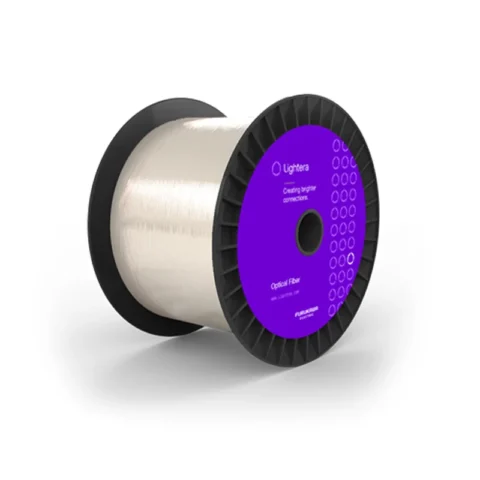
Fibre optic systems for aerospace and defence typically integrate optical fibres, ruggedised connectors, cable assemblies and network components into a resilient communications infrastructure. Depending on the application, fibre optics may support avionics, mission systems, radar, electro-optical payloads, vehicle communications or sensor networks while providing immunity to electromagnetic interference and electrical isolation. System architecture often requires careful consideration of weight reduction, installation space, vibration resistance and maintainability alongside compatibility with existing electronic and mechanical interfaces. Typical applications include military vehicles, aircraft, naval platforms, unmanned systems, satellite communications, ground infrastructure and electronic warfare systems where dependable data transmission is essential.
Key selection factors
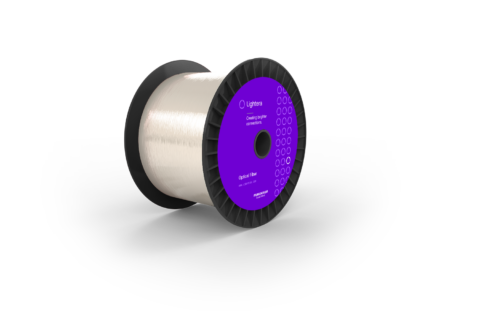
- Environmental resilience – Select components capable of operating under vibration, shock, temperature variation, moisture and contamination expected throughout the mission profile.
- Optical performance – Match fibre type, connector configuration and bandwidth requirements to the data rates, transmission distance and network architecture.
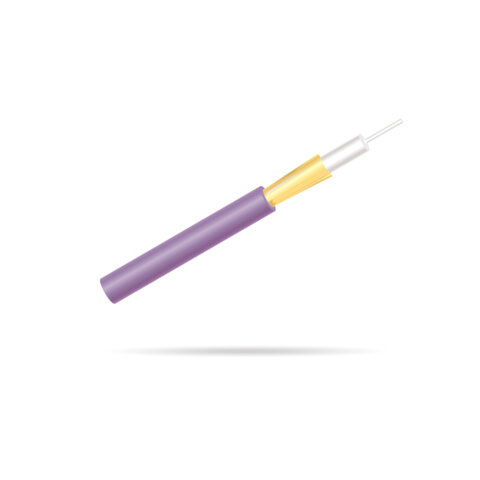
- Mechanical integration – Cable routing, bend radius and connector accessibility influence both installation and long-term maintenance. A common trade-off is improving protection while increasing cable size and installation complexity.
- Weight and packaging – Minimise cable mass and installation volume without compromising mechanical durability or serviceability across the platform.
- Qualification and lifecycle – Consider documentation, traceability, qualification processes and long-term product availability to support extended platform lifecycles.
- Maintainability – A common pitfall is designing fibre optic routing that performs well during installation but limits inspection, replacement or future system upgrades.
Integration notes
Successful integration requires fibre optic assemblies to be considered as part of the complete platform architecture rather than standalone components. Mechanical packaging, connector protection, cable routing and environmental sealing all contribute to reliable operation throughout the service life. Although fibre optics are immune to electromagnetic interference, EMC design remains important for surrounding electronic equipment and mixed electrical-optical installations. Watch out for excessive bending or unsupported cable runs in high-vibration areas, as these can reduce long-term reliability despite using ruggedised components. Qualification testing, inspection procedures and lifecycle planning should reflect both operational demands and future maintenance requirements.
Why our portfolio is right for you
Our engineering teams support the selection and integration of fibre optic technologies for aerospace and defence applications, helping align optical solutions with platform requirements, environmental constraints and long-term lifecycle objectives.
FAQs on Fibre Optics for Aerospace & Defence Applications
Fibre optics provide high-bandwidth communication, electrical isolation and immunity to electromagnetic interference, making them well suited to demanding aerospace and defence environments. They also support distributed system architectures while helping reduce cable weight compared with some conventional alternatives.
Fibre optics are used across a wide range of mission-critical systems where reliable data transmission is required.
- Avionics and flight control systems
- Radar, electro-optical and sensor platforms
- Military communications and network infrastructure
The specific architecture depends on the operational requirements of the platform.
Designers must consider vibration, shock, temperature extremes, moisture, contamination and mechanical loading throughout the operational lifecycle. Connector protection, cable construction and installation methods should all reflect the intended operating environment.
Selection begins with understanding the platform architecture, environmental conditions and data transmission requirements. Engineers should evaluate optical performance, connector compatibility, mechanical integration and qualification needs together rather than treating them as separate decisions.
Several practical considerations influence successful deployment.
- Cable routing within confined structures
- Connector accessibility for inspection and maintenance
- Integration with electrical and electronic subsystems
Considering these factors early helps reduce redesign effort during development.
Many aerospace and defence applications require ruggedised connectors to withstand repeated mating, vibration and harsh environmental exposure. The appropriate connector design depends on the installation environment, maintenance strategy and overall system requirements.
Fibre optic systems eliminate susceptibility to electromagnetic interference and can support stable, high-speed communications across complex platforms. Overall reliability depends on correct component selection, careful installation practices and appropriate qualification testing for the intended environment.
Engineers should assess the complete optical solution rather than focusing only on individual components. Mechanical durability, environmental resilience, optical performance, lifecycle support and compatibility with the wider system architecture all contribute to selecting appropriate fibre optics for aerospace and defence applications.