VNX PTL series processor blades
- Technology
- Single board computers
- Partner
- ADLINK
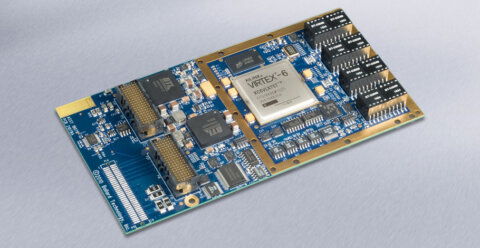
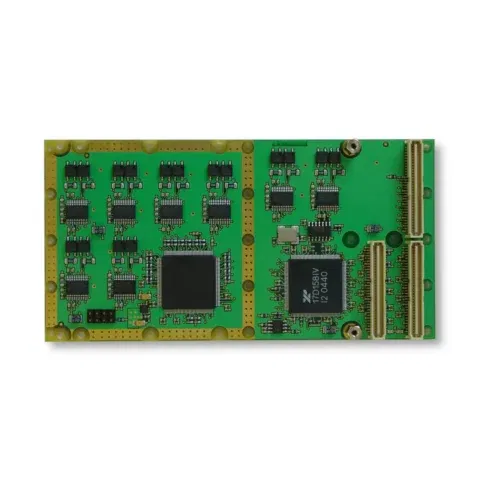
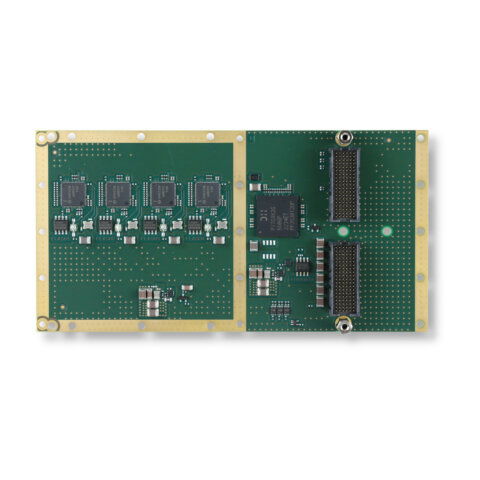
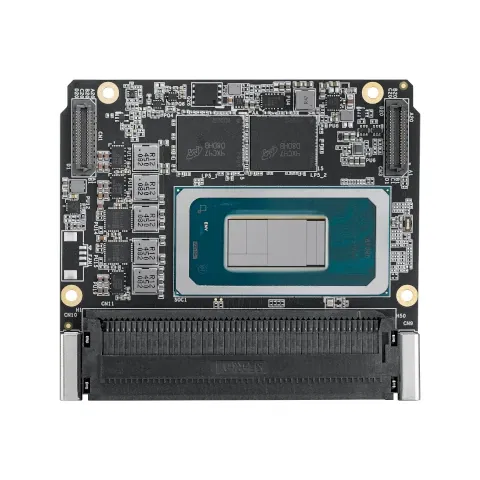
The VNX-PTL series is an upcoming rugged processor blade designed for edge computing in highly constrained spaces. Powered by an Intel Core Ultra Series 3 CPU and an integrated AI neural processing unit (NPU), it delivers server-class performance for real-time sensor processing and AI workloads at the network edge. This module adheres to the VNX+ (VITA 90) small-form-factor standard, meaning it fits into ultra-compact deployments without sacrificing capability. It is fully SOSA-aligned, an open architecture approach that reduces integration effort and speeds up deployment in defence and aerospace systems. With up to 64GB of LPDDR5X memory and a built-in 256GB PCIe solid-state drive, the VNX-PTL comes equipped to handle data-intensive tasks locally and reliably. It’s engineered for SWaP-constrained scenarios (Size, Weight, and Power), such as unmanned vehicles (UxVs) and high-altitude avionics, where every gram and watt saved is critical. Built-in test (BIT) functions and a design geared for extreme conditions ensure this blade delivers long-term reliability and simplifies field upgrades, offering a ready-to-deploy solution for mission-critical applications.
Range features
A high level overview of what this range offers
Combining high-performance computing with a rugged design, the VNX-PTL delivers server-class performance, AI acceleration, and flexible high-speed I/O in an ultra-compact SOSA-aligned VNX+ blade.
- Intel Core Ultra Series 3 processor (Panther Lake) – Provides high computing performance and integrated AI acceleration for demanding edge applications.
- VITA 90 (VNX+) compliant & SOSA-aligned design – Ensures easy integration into open standard systems and quick deployment in defence and aerospace platforms.
- Dual-channel LPDDR5X-8533 memory (up to 64 GB) – Delivers fast memory bandwidth for real-time data processing and complex sensor fusion tasks.
- Onboard 256 GB PCIe SSD storage – Offers fast, reliable local data storage for mission-critical operations without needing external drives.
- Selectable data plane: PCIe Gen4 x4 or 100GBASE-KR4 – Allows flexible high-speed connectivity or backplane networking to suit various system architectures.
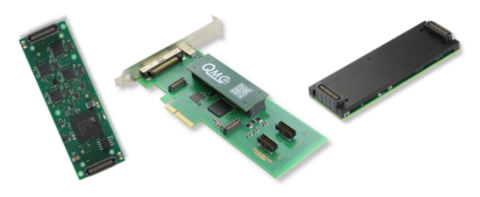
- 1× QMC expansion slot (optional) – Supports an add-on mezzanine module (per VITA 93 standard) for additional I/O or specialized functionality as needed.
What’s in this range?
All the variants in the range and a comparison of what they offer
| Specification | Value |
|---|---|
Processor | Intel Core Ultra Series 3 (Panther Lake) |
Memory | Dual-channel LPDDR5X-8533, up to 64 GB |
Storage | Onboard 256 GB PCIe SSD |
Data Plane | PCIe Gen4 x4 or 100GBASE-KR4 (selectable) |
Expansion Slot | 1× QMC (VITA 93) optional mezzanine |
Compliance | SOSA-aligned, VITA 90 (VNX+) standard |
FAQs
for VNX PTL series processor blades
The VNX-PTL is built around Intel’s Core Ultra Series 3 processor (code-named Panther Lake). This multi-core CPU provides robust computing power and includes an integrated AI neural processing unit (NPU). The NPU enables hardware-accelerated AI and machine learning tasks on the module itself, which means the blade can offload inference workloads (such as image recognition or sensor data analysis) from the CPU. In essence, the VNX-PTL’s processor architecture combines high-performance general computing with dedicated AI acceleration, allowing it to handle complex edge AI tasks efficiently and with low latency. This makes it well-suited for applications like autonomous navigation or advanced surveillance, where real-time processing of data is required directly at the source.
VNX+ refers to the VITA 90 standard, which defines a very small form factor modular computing platform. The VNX+ form factor is essentially a rugged, compact card format designed for military and aerospace use-cases where space and weight are at a premium. By adhering to the VITA 90 VNX+ standard, the VNX-PTL processor blade can fit into extremely tight spaces (such as small unmanned vehicles or portable systems) while remaining compatible with other VNX+ modules and backplanes. This form factor choice ensures interoperability and swap-in integration – you can easily slot the VNX-PTL into any VNX+ compliant chassis or system. Overall, using the VNX+ standard allows the product to deliver advanced computing capabilities in a miniaturised, rugged package that meets strict size, weight, and power requirements.
SOSA-aligned means that the VNX-PTL follows the guidelines of the Sensor Open Systems Architecture (SOSA) consortium. SOSA is an initiative to standardise hardware and software interfaces in military and aerospace sensor systems. A SOSA-aligned product like the VNX-PTL adheres to these open standards, which brings a few key benefits: it minimises integration risks, ensures compatibility with other SOSA components, and allows for faster system deployments or upgrades. In practical terms, if you’re developing a defence system (for example, a surveillance aircraft or ground vehicle) that uses SOSA-defined slots and modules, the VNX-PTL can plug into that system with minimal custom adaptation. This alignment with SOSA means the blade supports a modular, plug-and-play approach to building complex systems, reducing vendor lock-in and simplifying future technology refreshes.
The VNX-PTL is designed for harsh, field-deployed environments where computing needs to be both powerful and compact. Typical applications include military and aerospace platforms such as autonomous ground vehicles, unmanned aerial vehicles (UAVs), robotic systems, and surveillance or reconnaissance equipment. Because it’s built to be rugged and SWaP-optimised (small size, low weight, and efficient power usage), it thrives in scenarios like airborne sensor pods, mobile ground control stations, or wearable computing packs used by soldiers. Essentially, any environment that is space-constrained and exposed to vibration, extreme temperatures, or shock could benefit from the VNX-PTL. Its robust construction and open-standard design make it a good fit for mission-critical operations in defense, transportation, or industrial automation where ordinary commercial computers wouldn’t survive or fit.
This processor blade comes with dual-channel LPDDR5X-8533 memory soldered onboard, supporting capacities up to 64 GB. This large, high-speed memory pool is particularly beneficial for data-intensive tasks like sensor fusion, image processing, or running multiple virtual machines at the edge. In terms of storage, the VNX-PTL includes an onboard 256 GB PCIe solid-state drive (SSD). The built-in SSD provides fast read/write access for the operating system, mission data logs, or AI model files, all without relying on external storage. By having storage directly on the module, it improves reliability (since there are no removable parts) and ensures quick data access even in high-vibration or mobile environments. Together, the ample memory and onboard SSD enable the VNX-PTL to operate as a self-contained computing node, capable of handling large datasets and applications independently in the field.
Despite its small size, the VNX-PTL offers flexible high-speed I/O and expansion capabilities. Notably, it has a selectable data plane interface: you can configure it to use a PCIe Gen4 x4 link or a 100GBASE-KR4 Ethernet interface as the data plane to the backplane. This means the module can either act as a high-bandwidth PCI Express device (e.g. to mate with other cards or accelerators in the system) or directly provide a 100 Gigabit Ethernet connection for network-centric applications. In addition, the VNX-PTL features a QMC expansion slot (optional, depending on the SKU). QMC, defined by the VITA 93 standard, is a mezzanine connector that allows you to attach an expansion module onto the blade. Through the QMC slot, you could add a custom I/O board, RF transceiver, additional storage, or other specialized hardware as needed. In summary, the blade can interface with systems either through fast backplane links or network ports, and it supports add-on cards via the QMC slot to extend functionality for specific project requirements.
The VNX-PTL is engineered from the ground up for rugged reliability in field deployments. Firstly, all critical components (CPU, memory, storage) are soldered directly to the board, which enhances durability under shock and vibration and also improves thermal conduction. The module likely supports extended operating temperatures (typical for mil-grade equipment) and can be integrated into conduction-cooled systems with appropriate chassis, ensuring it can run in extreme heat or cold without issue. Another key aspect is the built-in BIT (Built-In Test) functionality. BIT diagnostics continuously or periodically check the health of the module’s subsystems (processor, memory, etc.), so any faults can be detected early. This self-test capability simplifies maintenance and increases mission confidence, as operators can verify the blade is functioning correctly before and during a mission. Additionally, being based on open standards (SOSA and VITA) means the VNX-PTL is not a dead-end product – it can be replaced or upgraded with future compatible modules, ensuring a long service life for the system it’s used in. All these factors – rugged construction, self-diagnostic features, and standards-based design – work together to maximise reliability and longevity of the VNX-PTL in critical applications.
SWaP stands for Size, Weight, and Power – three crucial factors for military and aerospace systems. When a platform is SWaP-constrained, it means there’s very limited space available, weight must be kept to a minimum, and power (electrical consumption) is tightly limited. The VNX-PTL is optimised for SWaP in several ways. In terms of Size, it uses the extremely compact VNX+ form factor, so it occupies only a few inches of space while delivering PC-level performance. For Weight, the board is small and uses lightweight components, which is vital for airborne or portable systems (every gram saved allows more payload or longer endurance). Regarding Power, the Intel Core Ultra Series 3 processor is a next-generation design that provides a high performance-per-watt ratio, meaning it can perform heavy computing tasks without drawing excessive power. The module’s power circuitry is also designed for efficiency to reduce heat output. Because of these characteristics, the VNX-PTL enables advanced computing capabilities on platforms where traditional computers would be impractical. For example, in a drone or a handheld controller – which are very SWaP-sensitive – this blade can be integrated to provide strong computational support without exceeding the tight constraints on space, mass, or battery life.